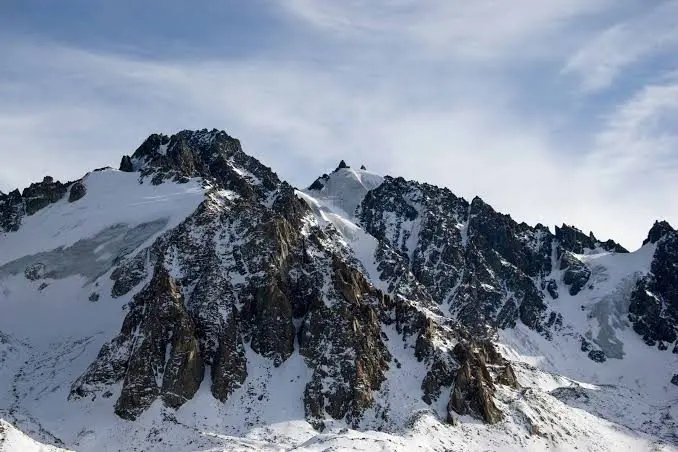
The Tuyuksu Glacier, a sheet of ice about 30 kilometres south of Almaty that scientists have monitored since 1972, has just logged its warmest summer on record. Researchers at the Central Asian Regional Glaciological Center under UNESCO finished crunching the 2025-2026 season data in early November, and the numbers are stark: the glacier lost an estimated 5.6 million cubic metres of water over the warm season.
Average high-altitude summer temperatures hit 6.17 degrees Celsius, nearly two degrees above the seasonal norm, with above-freezing conditions lasting 150 days. The result was 42 metres of retreat and a surface area reduction of 108,000 square metres in a single season. Even above-average snowfall the previous winter couldn't compensate for what the heat stripped away.
Tuyuksu matters far beyond the trekking routes of the Zailiysky Alatau. It is one of the most closely studied glaciers on the planet, and it feeds the mountain rivers that supply water to southeastern Kazakhstan. Researchers note that river flows during the observation period stayed roughly normal, but that is the troubling part of glacier science: the damage shows up later. Continued retreat could eventually destabilise the water balance of the wider Zhetysu Region.
Vassily Kapitsa, head of the Laboratory of High-Mountain Geocryology, points to Almaty itself as the pressure point. The city's population is now estimated at more than three million, and he argues that without rational use of drinking water, the region could face a severe shortage in the future. His message is aimed at city planners and residents, but it lands on visitors too: the snow-capped peaks that draw hikers, skiers and day-trippers to Almaty's doorstep are shrinking, and the water that comes off them is under strain.
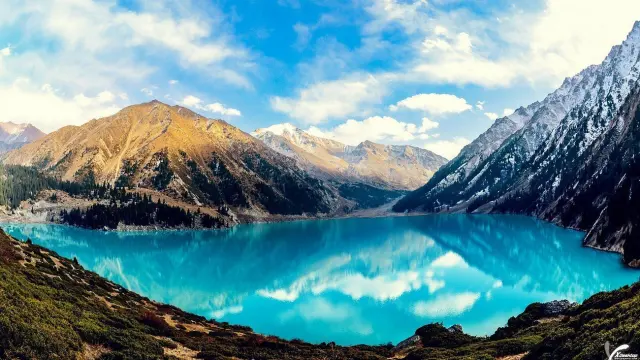
For travellers, this is a good moment to see the glacier country while it still looks the way postcards promise. Tuyuksu sits at the head of the Malaya Almatinka river valley, reachable as a long day hike or a detour from the popular route to T1 (Tuyuk Su) waterfall and the Alma-Arasan gorge. It's also a reminder to tread lightly in the mountains around Almaty, where water scarcity is no longer a hypothetical but a measurable trend.
Whether you're planning a summer trek in the Zailiysky Alatau, a shoulder-season city break in Almaty, or a ski trip to Shymbulak, the story behind the scenery is changing fast. Scientists are calling for adaptation measures and more responsible consumption, particularly in the cities. The mountains will still be there, but the ice above them, the data now confirms, is melting quicker than anyone would like.
First reported by The Astana Times.