Kazakhstan has quietly become one of the planet's biggest players in putting degraded land back to work. According to the first global Nature's Comeback report, produced by the UN's Food and Agriculture Organization, the UN Environment Program and the Convention on Biological Diversity, the country now ranks third worldwide by area under restoration — 8.13 million hectares, roughly 3% of its vast territory. Only China (127.4 million hectares) and Mongolia (12.18 million hectares) cover more ground.
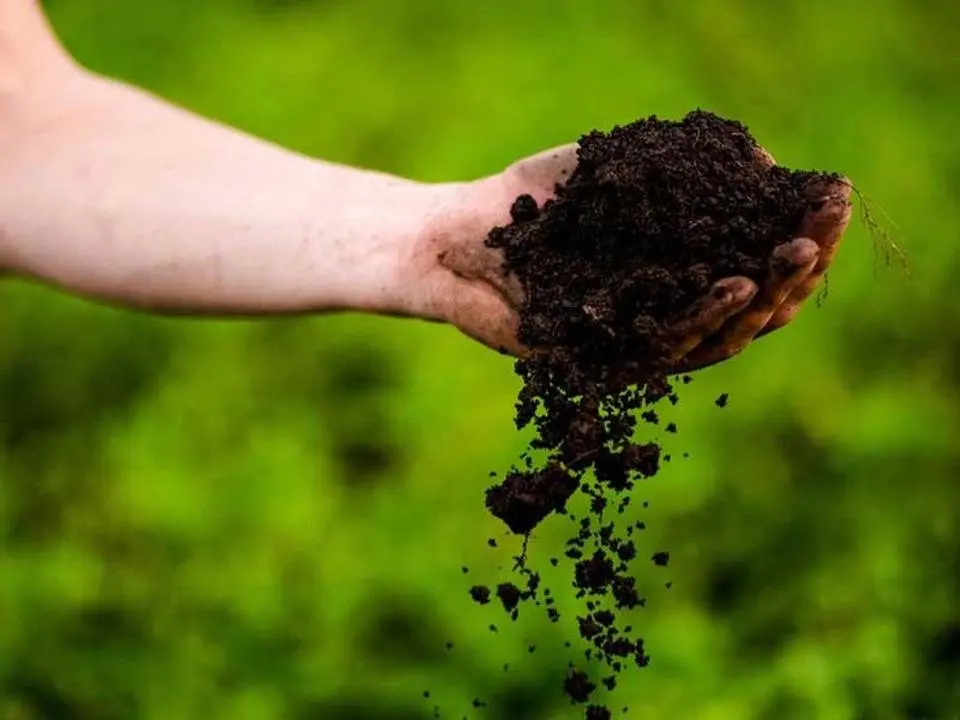
The figure was announced by Kazakhstan's Agriculture Ministry on November 12, and it sits alongside a wider push to understand and protect the country's soils. Digital land degradation maps covering 114 million hectares were rolled out across 2025-2026, and those surveys flagged 2.7 million hectares of degraded farmland — data that now decides where restoration and soil protection efforts are aimed first.
There's legal muscle behind it too. A new Law on Soil Protection, adopted on July 8, creates formal mechanisms for assessing, protecting and restoring soils, while the ministry and regional authorities are drafting local soil protection plans to prevent further degradation and keep farmland productive.
Why should a traveller care? Kazakhstan remains one of the world's least-visited big countries, and much of what makes it remarkable is exactly what this news touches: enormous open steppe, semi-desert and mountain margins that support saiga antelope, migrant birds and nomadic heritage. Large-scale restoration means healthier grasslands, better wildlife chances and, over time, a stronger case for the kind of low-impact nature travel the country is well suited to — think Aksu-Zhabagly reserve in the south, the Korgalzhyn wetlands near Astana, or the Altai mountains in the east. If you like the idea of seeing a landscape recovery story in progress rather than an overtouristed checklist, this is a country moving in the right direction.
The push also fits a broader Central Asian picture, with neighbouring Mongolia holding second place on the same list. For anyone tracking where restoration dollars and hectares are actually landing, the steppe corridor between these two countries is now one of the most significant on Earth.
Story via The Astana Times.