A two-hour hop from Amsterdam to Barcelona turned into a case study in airline inflexibility. On 2 September, a traveller flying KLM's KL1519 watched crew remove a passenger from a completely full flight — despite an empty, usable seat sitting right there in his row.
The situation: two boarding passes had been issued for the same economy seat. Whoever boarded first took it; the second passenger, a young man with nowhere to sit, was told he'd have to leave the aircraft and be rebooked. And since the doors were already closed, that meant reopening them, possibly pulling his checked bag, and delaying everyone.
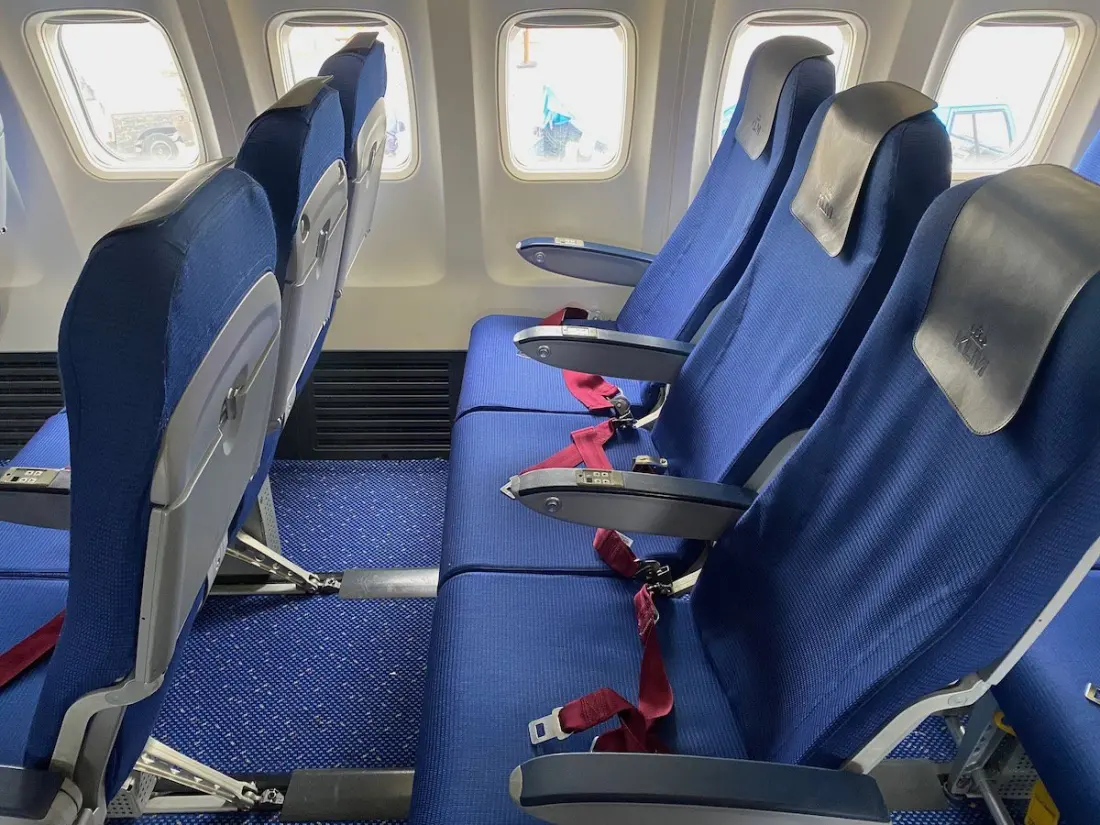
But there was a workaround on offer. The writer and his wife were in row 2 of business class, where intra-European "business" means a standard economy seat with the middle seat blocked for extra space. That middle seat was empty — blocked in the system so nobody could book it, but physically a normal seat. They offered it to the stranded passenger. The crew were appreciative but couldn't make the call themselves, so they checked with someone. After roughly ten minutes, the answer came back: not possible under the rules.
So the doors opened, the young man was taken off the plane, and the flight pushed back about 40 minutes late, landing in Barcelona around half an hour behind schedule. The captain reportedly even came to thank the couple for the offer after landing — which raises the obvious question of why the offer couldn't simply have been accepted.
The writer's logic is hard to argue with. The blocked seat exists purely to give business class passengers more room, and the business class passengers in question were the ones volunteering to give it up. Nobody needed the space for a short flight, and refusing it meant a passenger missed his flight and everyone arrived late. He suspects — probably correctly — that the crew had no discretion here and needed sign-off from someone unreachable in the moment.
Whether or not KLM has a documented reason (liability, seating records, security procedures are the usual suspects), the outcome looks like a rule followed at the expense of its purpose: a full plane left late, one passenger offloaded through no fault of his own, and a perfectly good seat unused for two hours.
For travellers, there are a couple of practical takeaways. First, seat duplication happens more than airlines admit — if your assigned seat is occupied, get to the gate quickly and politely, because resolution is far easier before doors close. Second, on short intra-European flights, business class is a comfort upgrade, not a cabin difference: same seat, empty middle. If you ever find yourself in a stranded-passenger situation, offering your space can be the gesture that gets noticed — even if, as here, bureaucracy wins in the end.
Story via One Mile at a Time.