Croatia's island of Krk has a new attraction of the feathered kind: a feeding station for griffon vultures, built in the Batomalj area just outside the popular beach town of Baška. The 1,800-square-metre site, complete with a new access road, cost around €25,000 and should start serving meals to the birds in early 2027, once it clears registration with veterinary authorities.
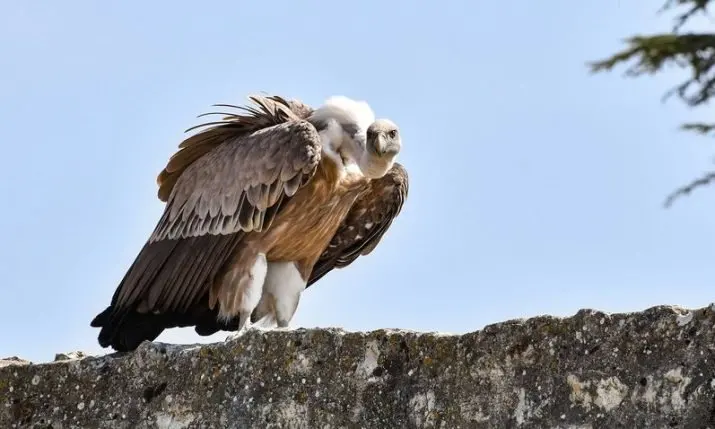
The idea is simple. Griffon vultures are Croatia's last surviving scavenging bird species, and their breeding population clings to the Kvarner islands. Reliable, safe food is one of the biggest factors in whether they survive and breed successfully, so the station will receive regular deliveries from slaughterhouses and local family farms, run by Baška's municipal services company. Rather than risking carcasses laced with poisons or other hazards, the birds get a controlled, vetted supply.
The project sits under LIFE SUPport, a conservation initiative working on nesting and survival conditions for the species. Baška is already a big deal in vulture terms: it hosts Kuntrep, one of the world's oldest ornithological reserves, where griffon vultures nest, and the neighbouring island of Prvić is another key breeding site.
There's a rural twist too. The initiative supports traditional sheep farming on the islands, which has kept the landscape open for centuries — and open grassland is exactly what vultures need. Project partners recently visited a local sheep farmer testing ways to protect flocks from jackals and wild boar. Fewer lost animals means farmers stay in business, grasslands stay grazed, and vultures stay fed. As Ivana Ribić of the Biom Association, who coordinates the project, puts the logic: protecting livestock, supporting farmers and providing safe food for vultures all feed into each other.
For travellers, this adds a genuinely unusual reason to visit Krk beyond its beaches and the famous Vela Plaža at Baška. Vulture tourism already exists on the Kvarner islands — birdwatchers come specifically to see these huge gliders riding the thermals above the coast — and a functioning feeding station could eventually become a reliable spot to watch them. Even before it opens, the cliffs around Kuntrep and the channel towards Prvić are worth scanning with binoculars. If you're visiting Krk in spring or autumn, pairing a hiking day on the island's eastern side with some vulture spotting is an easy win.