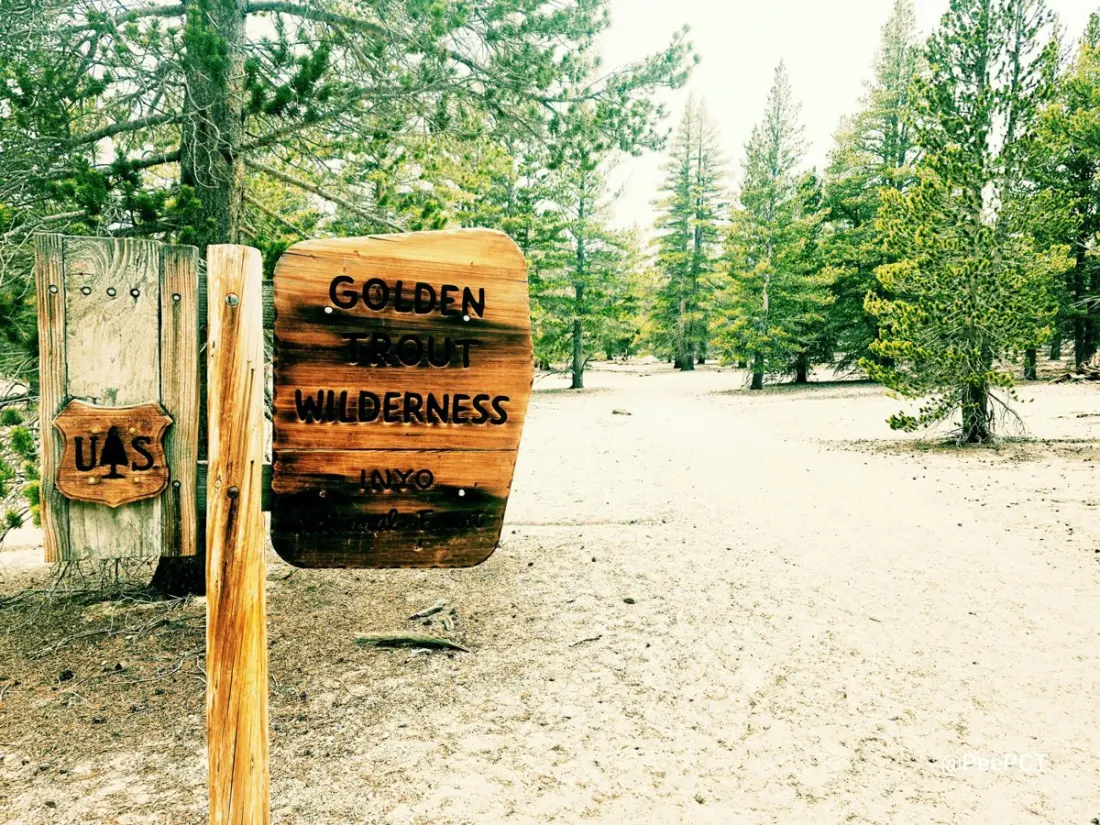
Day 64 of a Pacific Crest Trail thru-hike starts unglamorously: leftover Chinese food for breakfast, a fast-food burger packed for later, and a 30-minute wait hitching out of Lone Pine, California. The destination is the high Sierra Nevada, where the trail climbs above 11,000 feet and the desert hiking of Southern California gives way to snow, ice and afternoon thunderstorms.
The hiker behind this trail diary eventually scores a ride from a Triple Crown thru-hiker on vacation who dispenses trail magic — Gatorade, an apple and gummy sweets — before the slog up from Horseshoe Meadow. From there the diary traces three days of re-entry into big mountains: a frost-covered meadow at dawn, a cold-related headache at 11,000 feet treated with an hour of forced hydration, and a stern reminder of the risks. In 2022 the writer passed through days after a young hiker died near Forrester Pass from altitude-related issues.
Weather turns fast up here. One evening a hailstorm rolls in barely an hour after the hiker has relocated a tent away from a stack of leaning dead trees — a small decision that mattered once ice started falling. The next day brings a knee-deep ford of Rock Creek, whose usual stepping stones sit under inches of snowmelt. Even the simple things change with altitude: swollen feet making shoes tight, early alarms to summit passes with light packs, and the discipline of eating all cooked food before a big climb so only bars and snacks are needed on the day of the pass.
For anyone eyeing the PCT's Sierra section — or the John Muir Trail, which shares much of this route — the diary is a useful reality check. This stretch through Sequoia and Kings Canyon National Parks demands an ice axe, a bear canister (required here), stream-fording judgement and respect for altitude sickness. It also delivers what the desert cannot: Cirque Peak's pink and white walls at 12,900 feet, rushing green valleys, frozen alpine lakes and a level of solitude broken only by other hikers, a group of high school students on a 20-day graduation trip, and the occasional coyote chorus at 4 a.m.
The practical details are as telling as the scenery. Resupply runs through tiny desert towns like Lone Pine, where hikers eat big, sort food bags and hitch to trailheads like Kearsarge Pass — a 7.6-mile bonus walk each way. Trail culture carries the day: strangers offering lifts and snack drops, fellow hikers carrying out each other's rubbish, and the quiet pleasure of a Frito taco bowl at 8 p.m. after a 20-mile day.
This is a story for long-distance hikers planning the Sierra, but also for day-trippers wondering what thru-hikers go through to reach those postcard high-country views. The takeaway: the Sierra is gorgeous, but it plays hard. Go prepared, move early, hydrate at height, and never camp under dead trees when thunder is rolling in.