A quiet corner of western Uruguay is betting its future on its past. The Camino a Tiatucura, launched in 2020, is an 80-kilometre (50-mile) route that strings together five once-bustling railway towns — Guichón, Piñera, Merinos, Morató and Tiatucura — through rolling rural country that most visitors to Uruguay never see.
The route was set up by Gloria Duarte and Jannet Lasaga, two business owners who grew up in Guichón, a town of around 6,000 people that serves as the starting point for walkers. What makes the project unusual is who runs it: a network of local women coordinate the trail and the services around it, keeping tourism money in the communities the railways left behind. When Uruguay's rail era faded, these settlements shrank and emptied out; the Camino is part of a wider push towards regenerative rural tourism, using slow travel to bring income and purpose back to small towns.
The route itself is flexible. Walking is the classic option, but travellers can also do it by car, bicycle or motorcycle — handy if you're short on time, travelling with older family members, or just keen to cover more ground between stops.
The finale is the smallest and most storied stop. Tiatucura, home to fewer than 100 residents today, sits about six kilometres (four miles) from the site of the 1831 Salsipuedes massacre of the Indigenous Charrúa people — a defining and painful moment in Uruguay's history. Later, the village became a refuge for Afro-descendant women who escaped enslavement in Brazil. They brought spring-water healing traditions with them, and those practices gave the settlement its name: "la tía te cura" — the auntie heals you. Local women still honour and share those healing traditions with visitors today, making Tiatucura a rare place where the story of the route is told by the descendants of the people who lived it.
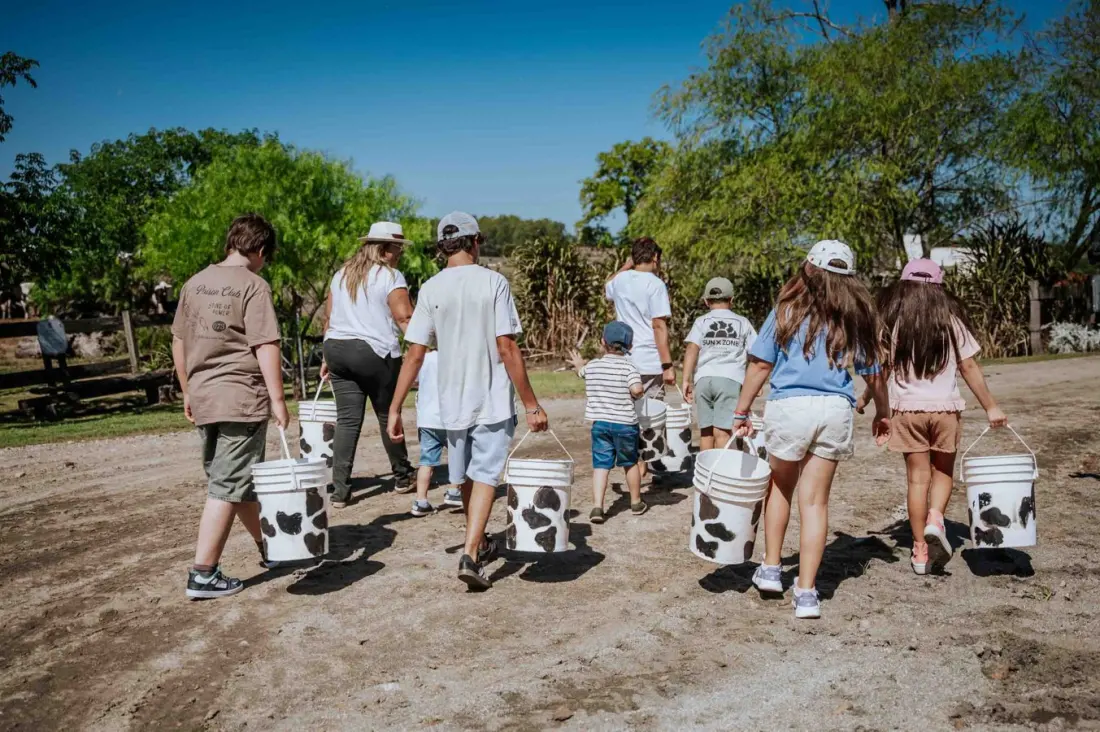
For travellers, this is Uruguay well off the Colonia-Punta del Este circuit: gaucho country, dirt roads, tiny plazas and community-run hospitality, where your guesthouse or meal directly supports a village of a few hundred people. It suits slow-travel fans, cyclists and anyone who'd rather hear history from a local guide than read it on a museum plaque. Pair it with visits to Paysandú or the thermal springs of the nearby northwest for a fuller regional trip.