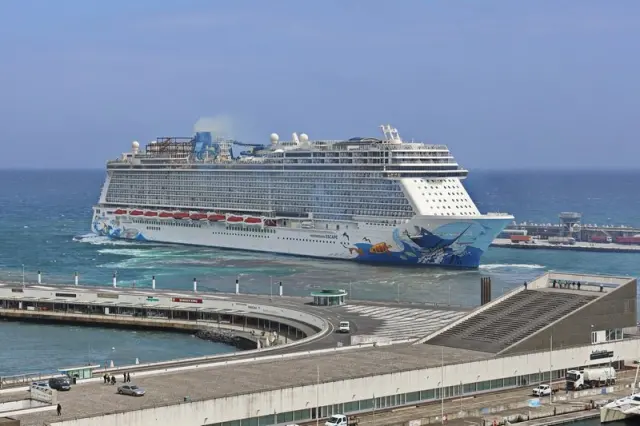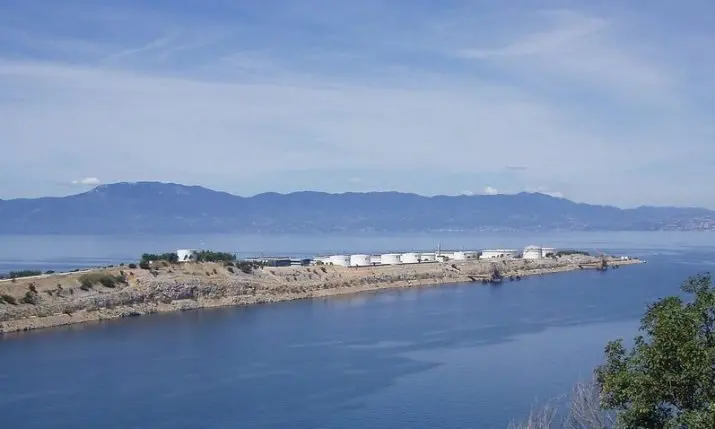
Croatia could be pumping gas to Germany within two years, according to Prime Minister Andrej Plenković, who floated the idea during talks in Zagreb with Bavarian Premier Markus Söder. The plan centres on the LNG terminal at Omišalj on the island of Krk, a facility most holidaymakers drive past on the way to the northern Adriatic without giving it a second glance.
The numbers make the proposal plausible. Following a recent expansion, the terminal can handle 6.1 billion cubic metres of gas a year — well above what Croatia itself consumes. The missing piece is transport: a southern corridor would need to move gas north through Slovenia and Austria before reaching Germany and Bavaria. Plenković acknowledged those cross-border connections and transport arrangements are the real remaining hurdle, with talks still to come with both neighbours.
Söder called the link strategically important for Bavaria and said he would champion it in Berlin and Brussels. The corridor might not stop at natural gas, either — both leaders raised the possibility of carrying hydrogen in future, giving the infrastructure a longer-term role as Europe reshapes its energy supply.
For Krk, the project would cement its status as an energy hub on the northern Adriatic, a notable shift for an island better known for its medieval hilltop town of Krk town, its beaches and the dramatic bridge that connects it to the mainland near Rijeka. There's a human dimension too: around 115,000 Croatians live in Bavaria, and Germany is one of Croatia's biggest sources of both trade and tourists. Tighter infrastructure links with Central Europe could quietly reinforce the flows of visitors who already head down the corridor each summer — many of them German drivers passing through Slovenia and Austria on the same route the pipeline would follow.
If you're heading to Krk, go for the sea rather than the shipping. The island rewards travellers who come for the Kvarner Gulf's mix of pebble coves, olive oil and stone villages, and it pairs easily with Rijeka, Opatija or a detour into the Gorski Kotar hinterland. Energy terminal or not, it remains one of the more accessible Croatian islands for a road trip.