On 18 November, Croatia pauses. This year marks 35 years since the fall of Vukovar and the Škabrnja massacre, two defining tragedies of the 1991 Homeland War, and more than 100,000 people are expected in Vukovar itself for the annual remembrance.
The numbers behind the date are stark. Vukovar, on the Danube in eastern Croatia, endured an 87-day siege by Yugoslav People's Army forces from August to November 1991. Around 1,800 lightly armed defenders and civilian volunteers held out against an estimated 36,000 troops. By the time the city fell, 2,717 people had died, including 34 children; more than 1,200 were injured and over 350 defenders are still listed as missing. Some 22,000 Croats and other non-Serbs were expelled.
The date carries a second wound. When the surviving defenders surrendered on 18 November 1991, 260 wounded soldiers, civilians and medical staff taken from Vukovar Hospital were murdered at a nearby farm called Ovčara, where their bodies were later found in a mass grave. The same day, 86 civilians were killed in the village of Škabrnja near Zadar in a massacre by Serb forces. Since 2020, 18 November has been an official public holiday: Remembrance Day for the Victims of the Homeland War and Remembrance Day for the Victims of Vukovar and Škabrnja.
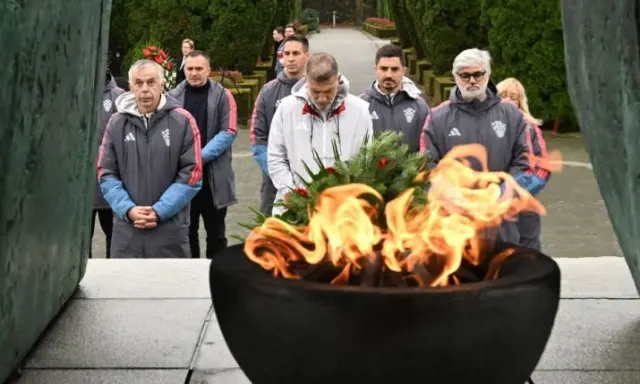
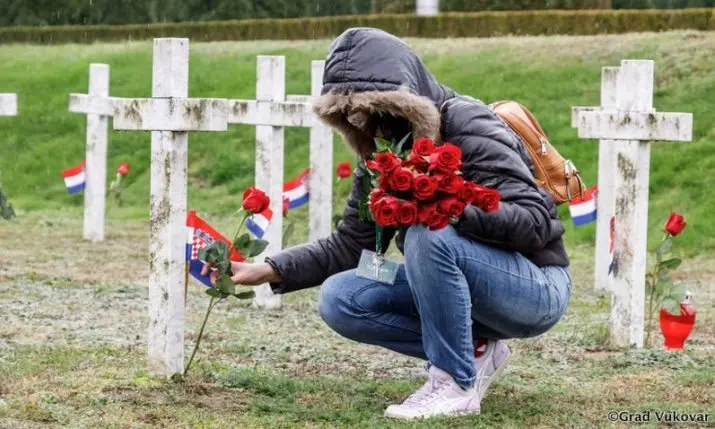
This year's commemorations began the evening before, with prayers outside the National Memorial Hospital in Vukovar and candles lit across the country. In Zagreb, thousands of lights stretched along the full 10-kilometre length of Vukovar Street. The main procession on the day itself sets off from Vukovar Hospital, the site most closely tied to the city's suffering.
For visitors, understanding this day adds real depth to a trip to Croatia. Vukovar is around 300km from Zagreb and a world away from the Dalmatian coast most tourists see. Its memorial sites, including the Ovčara memorial centre and the rebuilt hospital, are sobering but carefully presented, and a visit pairs naturally with the baroque town of Osijek and the Kopacki rit wetlands nearby. If you travel in Croatia in mid-November, expect shops, offices and some services to close for the public holiday, and expect ceremonies, road closures and large crowds if you happen to be in Vukovar on the day. Travelling there on 18 November is a serious and moving experience rather than a sightseeing outing, so go with that in mind.
The anniversary is also useful context for anyone wondering why wartime history still runs deep in conversations with Croatians, especially in the east of the country. The commemorations are deliberately kept in national memory, and they shape how places like Vukovar present themselves to visitors today.