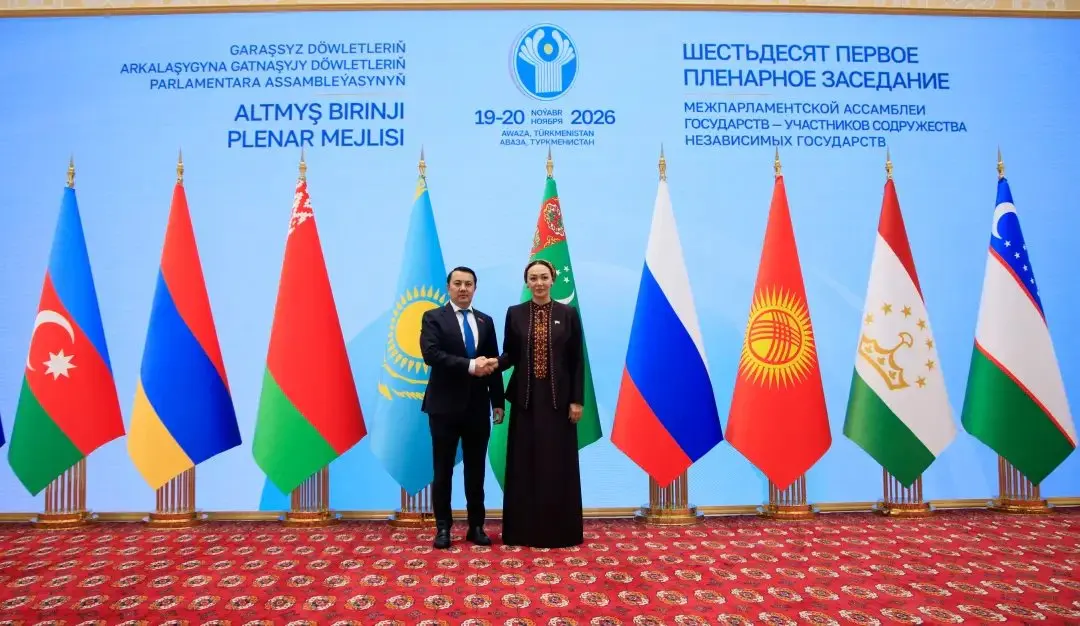
A Kyrgyz parliamentary delegation travelled to Turkmenistan's Caspian coast this week, and the talks went well beyond diplomacy. On November 19, at a meeting in the Avaza National Tourist Zone near the city of Turkmenbashi, Kyrgyz parliamentary speaker Marlen Mamataliev and his Turkmen counterpart Dunyagozel Gulmanova mapped out a string of joint projects spanning energy, freight routes and cultural exchanges.
The headline item is energy. Mamataliev pushed for faster work on a proposed gas pipeline that would carry Turkmen gas to China by crossing Kyrgyzstan — a project that would, for the first time, put the small mountain republic on one of Central Asia's biggest energy maps. He also flagged the importance of keeping Turkmen electricity flowing to Kyrgyzstan and floated wider cooperation on gas and petroleum products.
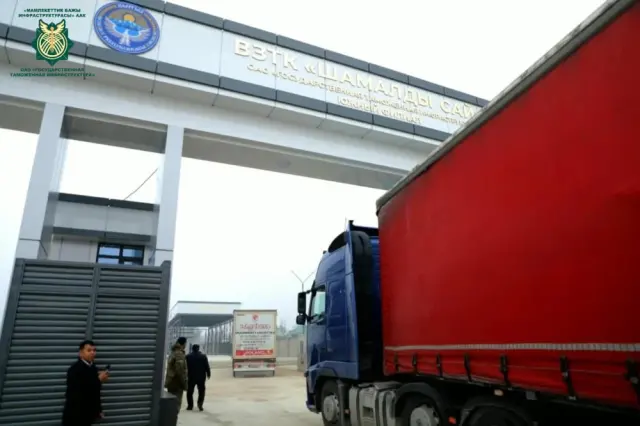
Transport is where travellers and shippers alike should pay attention. The two sides discussed developing international freight traffic along a Kyrgyzstan–Uzbekistan–Turkmenistan–Russia corridor, with onward access to Western markets, plus expanded cargo routes through Kyrgyzstan towards China and Southeast Asia. If these corridors mature, the overland crossings between the 'stans — currently a niche adventure for truckers and intrepid backpackers — could get markedly better infrastructure, smoother border procedures and more regular services.
Beyond pipelines and roads, the meeting covered trade growth, attracting Turkmen investment to Kyrgyzstan, invigorating the joint intergovernmental commission, and a familiar soft-power list: culture days, festivals, exhibitions and exchanges in science, education, healthcare and sport. Gulmanova wrapped up by inviting Mamataliev back for a Women-Leaders Summit slated for 2028.
Why care? For anyone eyeing the epic overland route between Central Asia and Europe — or the increasingly popular China-to-Kyrgyzstan crossings — announcements like this are early signals. New freight corridors usually mean upgraded highways, modernised border posts and, eventually, easier passenger travel along the same paths. And Avaza itself, the resort zone where the talks happened, is Turkmenistan's push to build a Caspian beach destination, a reminder that this often-overlooked country is quietly courting tourism.
The reality check: these are discussions, not signed construction contracts, and big Central Asian infrastructure moves slowly. But if the gas pipeline and the Kyrgyzstan–Uzbekistan–Turkmenistan–Russia route gain momentum, the region's map of practical travel options could look quite different by the end of the decade. Watch the intergovernmental commission's output — that's where talk turns to timelines.