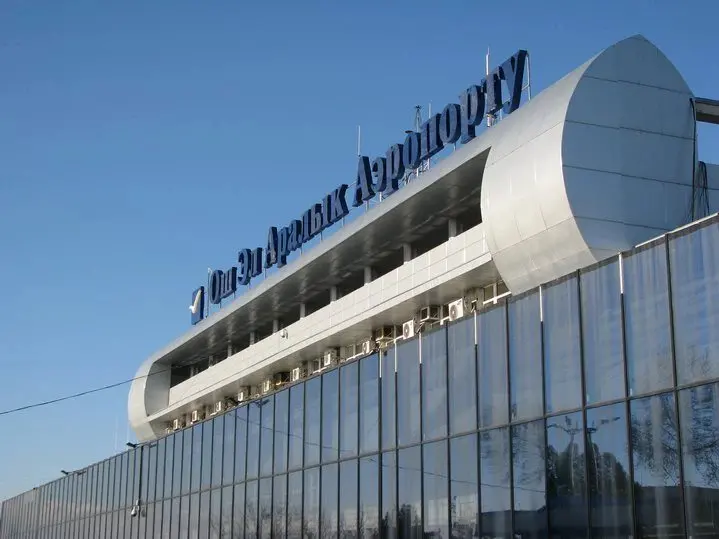
A woman was fined at Osh International Airport in southern Kyrgyzstan after police spotted her in a public area with her face fully covered. The incident, which took place on November 17, only came to wider attention when footage of officers processing the violation report spread on social media.
According to the regional police department, the tip-off came from the Interior Ministry's digital surveillance unit, which flagged a person on airport premises with their face completely covered. Officers then took the woman to a police station, gave her what they described as an explanatory conversation about the rules, filed a formal violation report and issued a fine.
The situation got messier from there. Police were keen to point out that the report was filed against the woman with the covered face — not against whoever filmed the encounter. At the same time, they claimed the person recording the video had repeatedly ignored warnings and obstructed officers doing their jobs. That claim has now drawn scrutiny: the Interior Ministry's Internal Investigations Service for Osh city and the surrounding region is reviewing how the police handled the case. So far, no findings from that review have been made public.
For visitors, the practical takeaway is straightforward. Kyrgyzstan enforces rules against full face coverings in public places, and airports are clearly included — this fine was issued on airport grounds, apparently picked up by surveillance before any officer was on the scene. If you're travelling through Osh or Bishkek, dressing in a way that leaves your face visible will keep you clear of any such hassle. Headscarves worn normally are commonplace in the country and not the issue here; the rule targets coverings that hide the entire face.
Osh is the main gateway to southern Kyrgyzstan and a common stopping point for travellers heading to the Alay Valley or over the border to Uzbekistan, so the airport matters well beyond the city itself. The story is also a small window into how Kyrgyz authorities operate: digital monitoring feeding directly into on-the-ground enforcement, with officials quick to respond once incidents circulate online. The open question — whether the officers' conduct toward the person filming was appropriate — is still being looked at internally, and it's worth following if you plan to travel in the region, since it touches on how police interact with both locals and visitors.
Bottom line for travellers: no reason to change your plans, but know the local rules and expect them to be enforced at transport hubs. Kyrgyzstan remains one of Central Asia's easiest and most rewarding countries for independent trekking and road trips — just keep your travel documents handy and your face visible in public buildings.