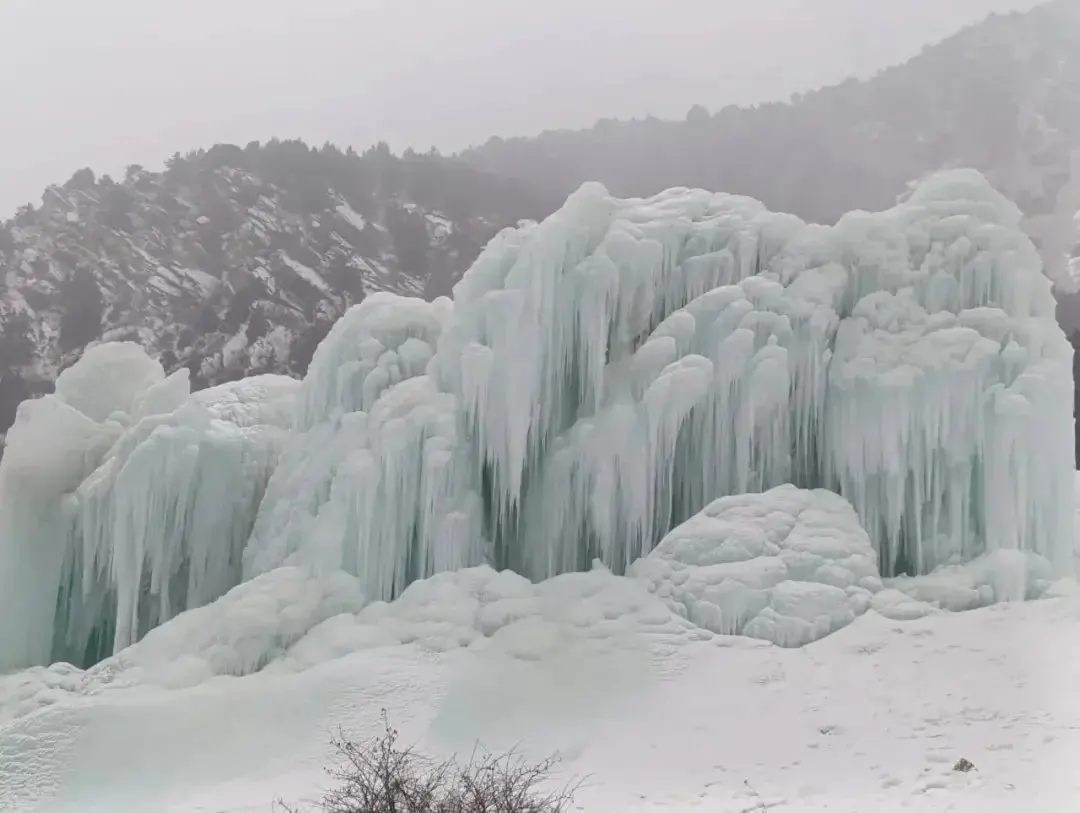
Kyrgyzstan has quietly become the first country in the world to approve official technical guidelines for building artificial glaciers — and plans to roll the technology out across roughly 1,000 villages.
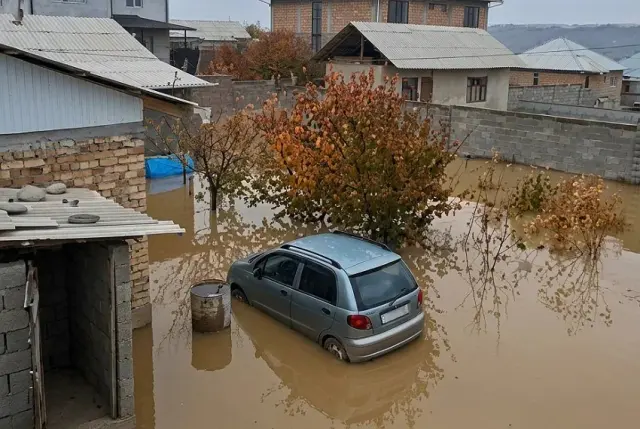
The system, developed with input from FAO water resources expert Matraim Zhusupov, is known as "Artificial Glacier–Reservoir–Farmer" and pairs man-made ice mounds with drip irrigation. It targets a very real problem: as natural glaciers shrink, small mountain rivers are drying up, and what water remains sinks into gravel before ever reaching the villages below. Communities are giving up farming and livestock, triggering migration that leaves only the elderly and children behind.
Artificial glaciers aren't entirely new here — mountain communities have built around 30 in recent years — but most failed within a year or two because they skipped proper engineering. The new guideline fixes that with tested calculations, trialled in the Sumbula area of Leilek district in the Batken region. The idea is elegantly simple: a vertical fountain pipe sprays water that freezes into an ice cone, best built above 2,100 metres. The largest can reach the size of a five-storey building and hold out until mid-June. As it melts, water flows through a downhill pipeline into a reservoir — no pumps needed — supplying drinking water for livestock and irrigation for farmland.
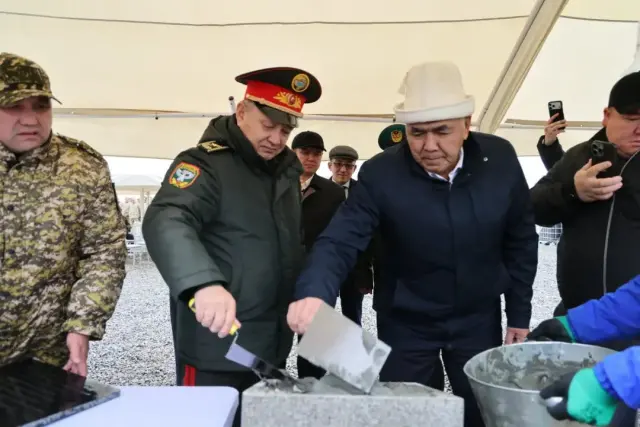
The price tag is modest by infrastructure standards: about $7,000–8,000 per glacier, plus $35,000–50,000 for the reservoir and pipeline. Villages can even build them via ashar, the traditional Central Asian system of collective community work. Uzbekistan, Tajikistan and Kazakhstan have all sent delegations or expressed interest, and the FAO is working to attract investment for a nationwide scale-up.
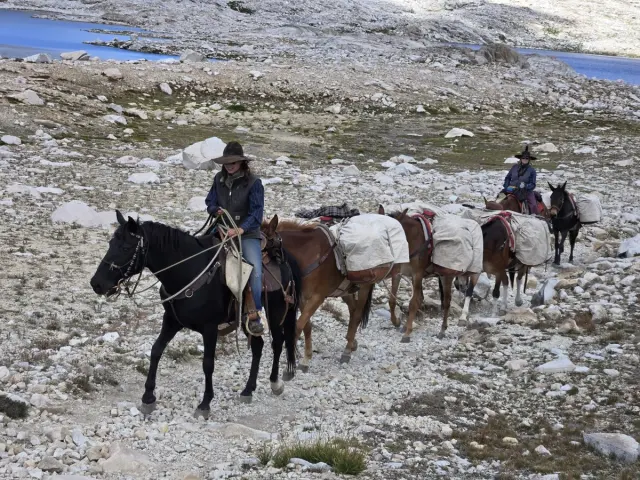
For travellers, this matters more than it might seem. Kyrgyzstan's appeal lies in its mountain communities — homestays around Song-Kul, treks through the Alay valley, shepherd hospitality in remote gorges. Those communities depend on water and working farmland; without it, the landscapes and village culture that draw visitors erode. A low-cost engineering fix that keeps mountain villages alive is good news for anyone planning to travel beyond Bishkek. It's also a genuinely interesting story to ask about when you're staying in a village guesthouse — and a reminder that Central Asia is where some of the most inventive climate adaptation is happening.