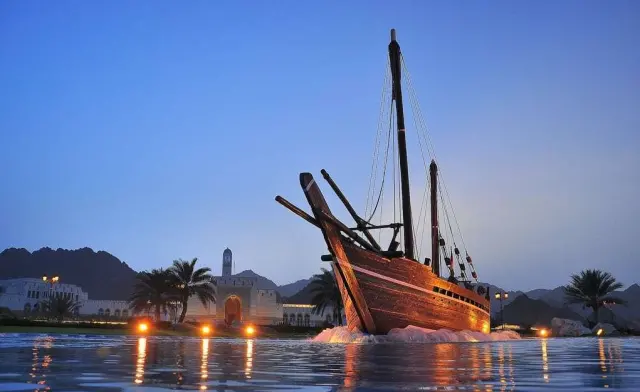
Oman's mountain guides, desert camp managers and boat crews all say the same thing: the country is calm, welcoming and strangely empty of tourists. Regional tensions elsewhere in the Gulf have spooked would-be visitors, and hotel guest numbers have dropped 13 percent this year compared to the last, according to Hotelier. Operators argue Oman, a neutral state, is being unfairly lumped in with its neighbours — and that a window is opening for travellers who want the Middle East without the crowds.
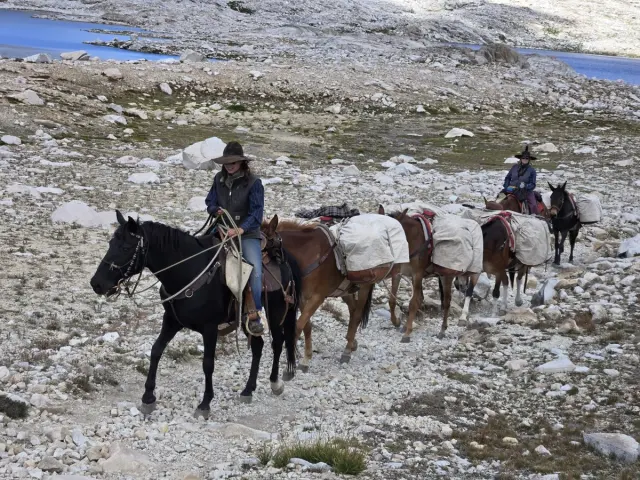
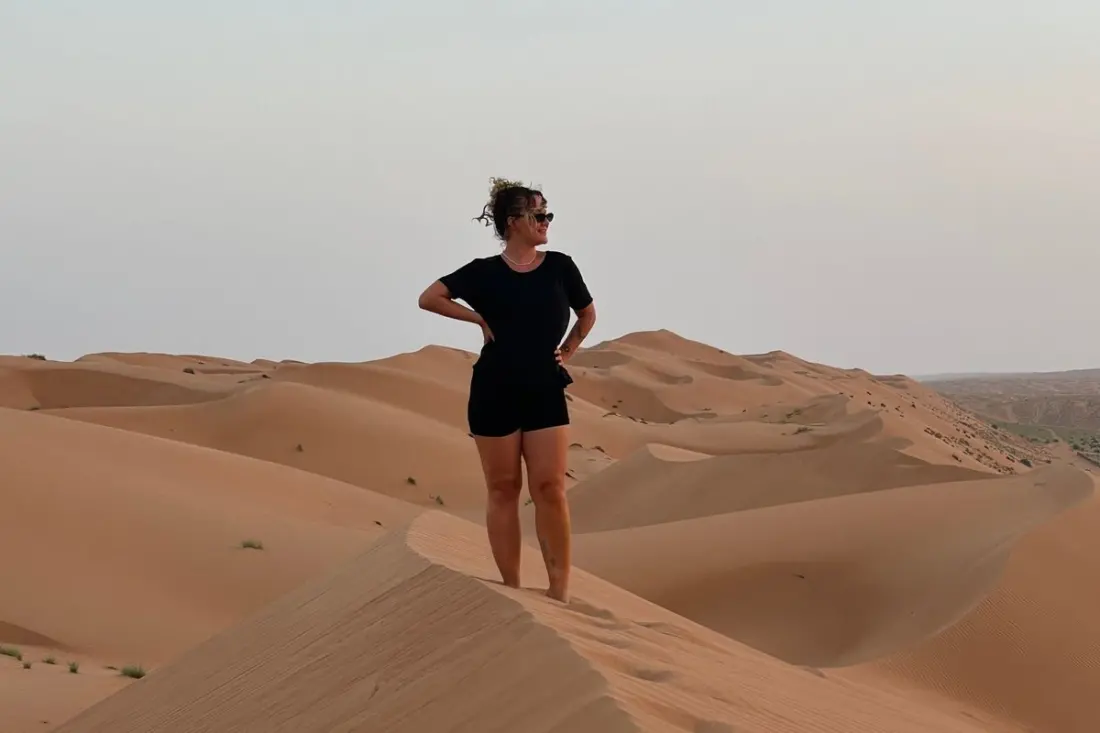
The variety is the big draw. In a single day you can go from Jebel Akhdar, the 'green mountain', where summer temperatures sit around a mild 27 degrees and the trails pass juniper trees, wild donkeys and pomegranate orchards, down to the red dunes of Sharqiyah Sands for dune bashing and sandboarding. Desert Nights, a five-star camp in the sands, has 88 tented rooms, some with private pools overlooking the dunes. Back in Muscat, frankincense-scented souks and pale pink architecture come with a food scene shaped by centuries of Indian Ocean trade — the new restaurant Mesa, for instance, leans on Zanzibari flavours, a nod to Oman's historical ties with the island.
The coast is quietly becoming a headline act too. From the Al Mouj Marina, boat tours run to the Dimaniyat Islands, where you can snorkel with turtles and occasionally spot a whale shark without jostling a crowd. Guides there report customers almost daily as bookings slowly rebuild ahead of the October high season.
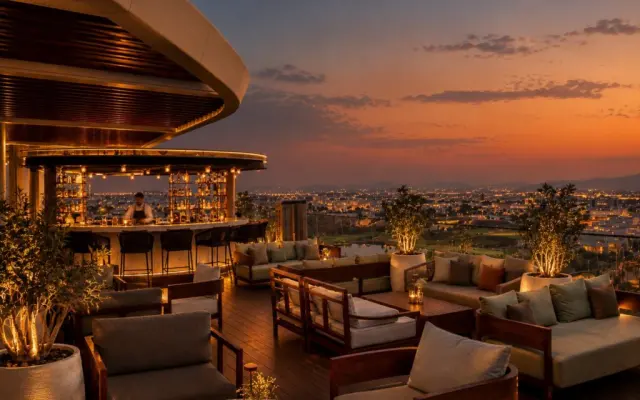
Investment is ramping up in parallel: Muscat has a new Tivoli LA VIE hotel, a new mountain road is under construction to open up the interior, and the marina keeps expanding its ocean offering. Fans of a view with a story can head to Diana's Point above a canyon near the Anantara resort, where Princess Diana once landed by helicopter, with a Via Ferrata route on the cliff below for anyone wanting more adrenaline.
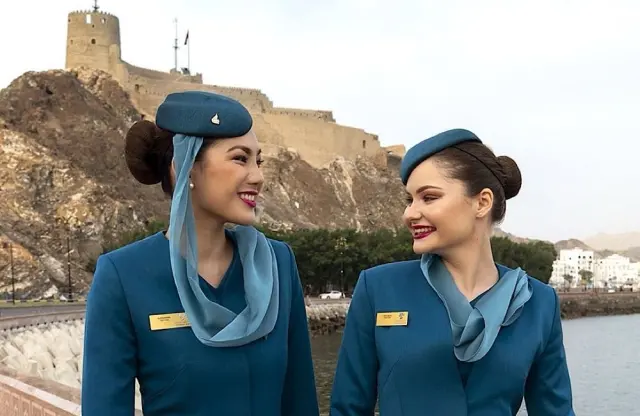
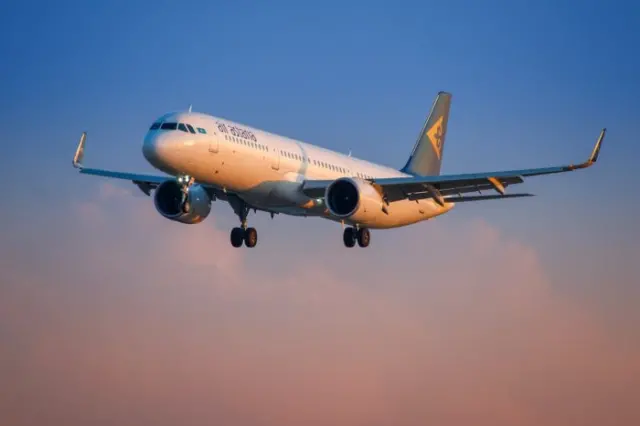
Practically speaking, getting there is easy: Oman Air flies direct from London Heathrow to Muscat daily (sometimes twice daily) for roughly £400 return, in around seven hours, and the airport has stayed open throughout. Visitors recently quoted in the report — a Swiss couple who nearly cancelled — came anyway and found it safe, friendly and refreshingly unhurried next to Dubai.
One caveat worth respecting: Oman sits beside the Strait of Hormuz and the wider region remains volatile, with fresh US State Department warnings and ongoing Houthi-Saudi tensions. Check the FCDO advice before booking, but don't write off the country based on headlines about its neighbours. If you've ever fancied the Gulf without the glitz, the guide-and-camp crowd would tell you the perfect moment is before everyone else works it out.