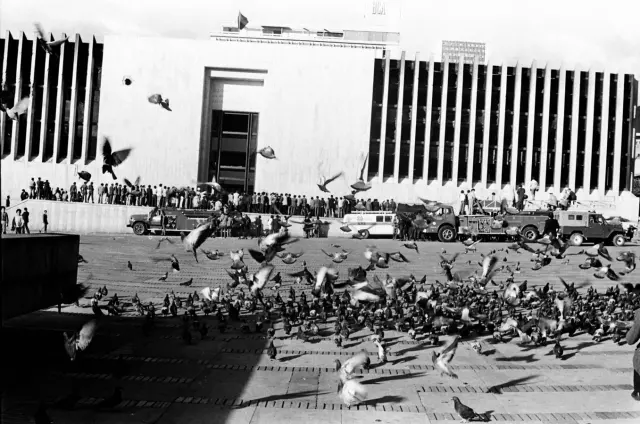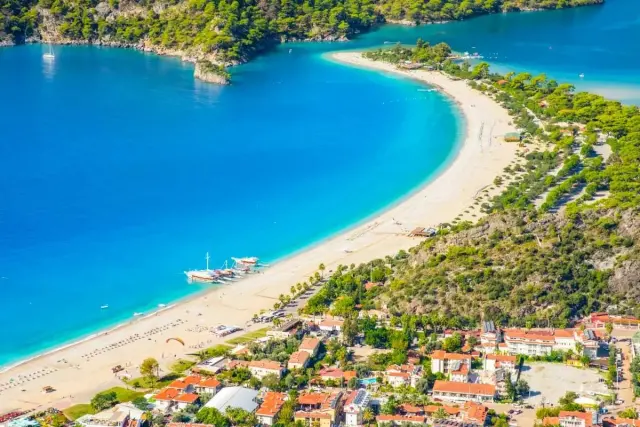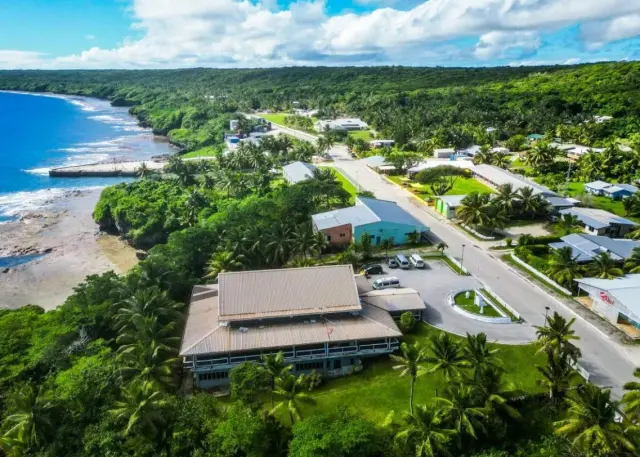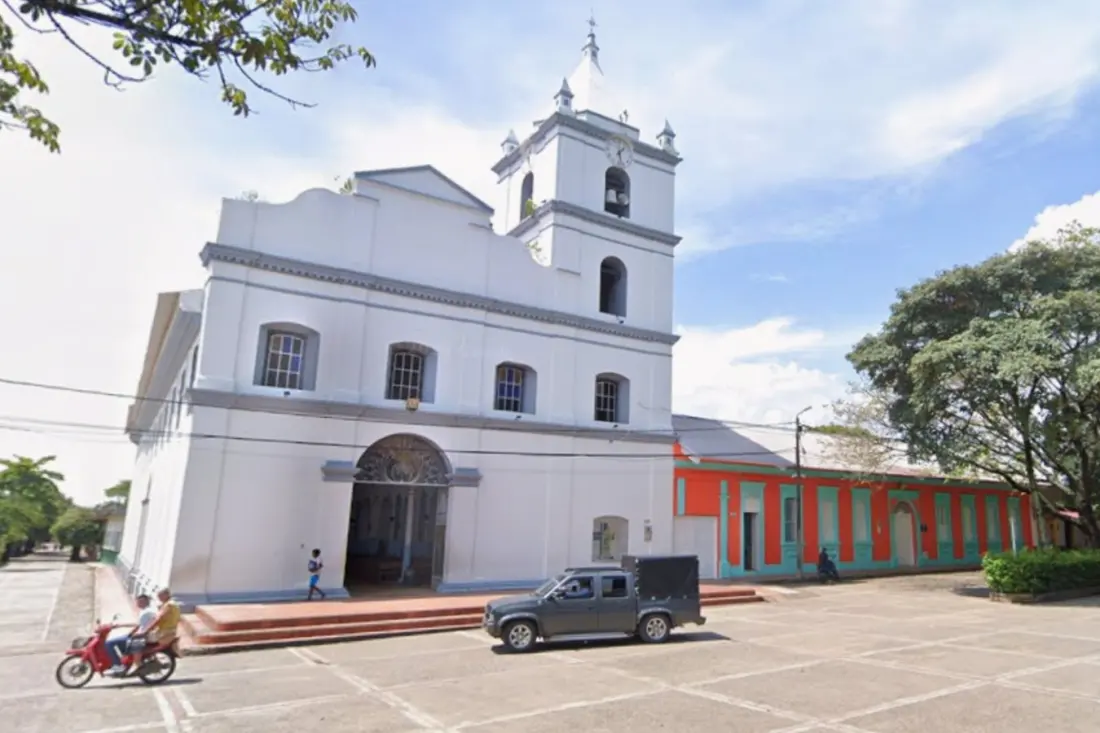
Colombia had its hottest November day on record at multiple spots on Nov. 9, 2026. The national weather agency IDEAM confirmed that 17 weather stations beat their previous November maximums, some by nearly two degrees.
The standout reading came from Natagaima, in the department of Tolima, where the Anchique station hit 41.2°C (106.2°F) — 1.2°C above a record that had stood since 1979. Armenia posted the biggest jump: its El Eden airport station reached 32.9°C, 1.9°C higher than its previous November high from 1978. Other cities writing new November entries into the books included Quibdo (35°C), Arauca (35.7°C), Corozal (35.8°C), Palmira (33°C) and Pereira (30°C), plus Ibague, Medellin and several smaller towns across Tolima, Quindio, Choco, Valle del Cauca, Sucre and Arauca.
The backdrop is El Niño. IDEAM officially declared the phenomenon on Oct. 8, 2026, after five consecutive overlapping three-month periods of El Niño conditions in the Pacific. The agency expects the 2026–2027 event to reach strong to very strong intensity, with an 83% probability it persists through the first quarter of 2027. For Colombia that typically means above-normal temperatures and below-average rainfall in many regions — even during October and November, which are normally part of the country's second rainy season.
A note on what the numbers actually mean: these are monthly station records, not all-time highs, and readings reflect conditions at specific stations rather than whole cities. Still, the pattern is clear, and the implications go beyond sweaty afternoons. IDEAM warns that reduced rainfall could strain rivers and reservoirs, affect hydroelectric generation (a pillar of Colombia's electricity supply) and raise wildfire risk as vegetation dries out. Effects will vary — some areas may see serious rainfall deficits while others still get heavy downpours locally.
Why should travellers care? If you're heading to Colombia in late 2026 or early 2027, pack for heat and plan around it. Inland lowland areas like Tolima and the Magdalena valley — where many of these records were set — are already among the hottest parts of the country, and El Niño conditions push daytime temperatures higher still. Coffee-region towns such as Armenia and Pereira sit at elevation and stay milder, but midday sun can still be intense. Coastal Caribbean spots will be hot and drier than usual, which can actually suit beach travellers, as long as you stay hydrated and time outdoor activities for early morning or late afternoon.
It's also worth factoring in possible knock-on effects: water restrictions in some municipalities, occasional power supply pressures, and elevated fire risk in natural areas. Keep an eye on IDEAM's alerts and regional forecasts before and during your trip — the agency updates its El Niño monitoring monthly, and conditions may shift as the phenomenon evolves into 2027.
None of this should put you off visiting — Colombia is a year-round destination and drier weather often makes for better trekking conditions in places like Caño Cristales or Tayrona — but it does mean packing sunscreen, booking accommodation with fans or air conditioning, and being flexible with plans during peak heat. Credit: Colombia One.