London Underground staff are poised to walk out on Wednesday November 26 after negotiations between transport unions and Transport for London collapsed. For anyone with a trip to the capital booked around that date, the strike is worth taking seriously — a full Tube stoppage effectively removes the city's fastest way of getting around, and the effects tend to spill into buses, roads and mainline stations as commuters switch modes.
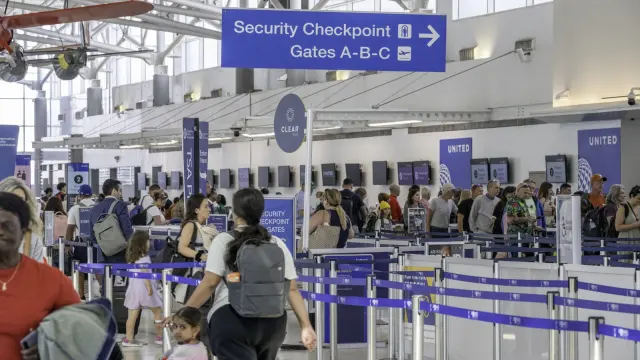
If you're arriving or departing that day, plan around it rather than through it. National rail services into terminals like Waterloo, Paddington, King's Cross and Liverpool Street are expected to run, but stations and the surrounding pavements will be busier than usual, so build in extra time for luggage-dragging and queueing. Elizabeth line services often continue during Tube strikes and can be a useful fallback for trips to and from Heathrow.
Within central London, walking is genuinely a viable option — the West End, the City and the South Bank are all comfortably walkable, and what looks like a long Tube hop on the map is often a 20-30 minute stroll. Buses and the night network take the strain during strikes but are crowded and slow, and taxis and ride-hailing prices surge when demand spikes. If your hotel sits near a rail terminal or the Elizabeth line rather than a deep-level Tube stop, you'll feel the disruption far less.
Strikes in London are sometimes called off at the last minute if talks resume, so check TfL's strike page and your airline or hotel's advice the evening before you travel. Hotels in the centre occasionally see cancellations on strike days, which can mean better rates — a small silver lining if your plans are flexible.
This matters most for leisure travellers with timed commitments: theatre bookings, airport transfers, day trips. The practical move is to keep November 26 loose — sightseeing that doesn't depend on the Underground — and treat any fixed-time plans that day with a generous buffer.