Somewhere between Second Mountain and Third Mountain in Pennsylvania, a long-distance hiker made a decision that says a lot about how section hikers actually finish trails: sometimes the white blazes aren't the best way home.
Writing on The Trek, the hiker was closing out the Pennsylvania stretch of the Appalachian Trail — mile 1,160.8 to 1,184.4 to be exact — with a 23.6-mile, roughly 50,859-step push toward a parked van near PA Route 443. Rather than grinding over the rocky AT ridgeline, they'd spotted a flatter gravel road on the FarOut app that ran the valley between the two mountains, offering the same distance with fewer ankle-busting rocks.
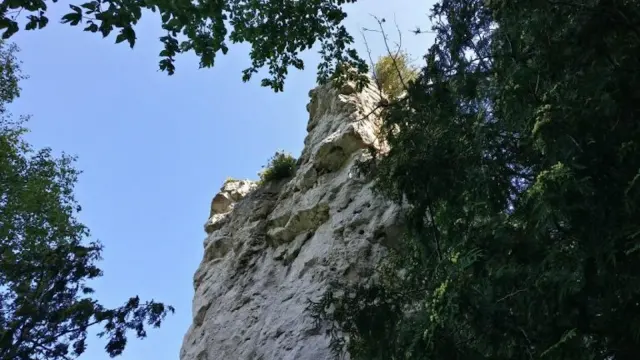
Getting to it meant climbing Third Mountain via the Knauber Trail, a steep, little-used route buried under inches of leaves that required serious trekking-pole work. The payoff was Stony Creek Valley: a long, quiet gravel road following Stony Creek for what looked like eight to ten miles, with stretches where the road runs dead straight for a mile or more. The hiker described the emptiness as faintly unsettling — pines, no people, and a view that barely changed after ten minutes of walking. Along the way, they passed a stone marker honouring the Kabob Hiking Club, which has gathered at this remote spot annually since its founding in 1934. At Rausch Creek, they found another curiosity: old limestone water filters that leave the creek unusually clear.
Not every shortcut paid off. A second detour — an abandoned dirt road off Second Mountain that looked like a shortcut back to the trailhead on the map — turned out not to match reality, and the wrong turn ended with unexpected climbing and lost time. A sore left hip, aggravated by sleeping on one side all night in the mid-30s (Fahrenheit) cold and humid conditions, resurfaced around mile 20. The day ended back at the van around 4:00PM, followed by a drive to Hagerstown, Maryland, for a rest day before the trail's final section.
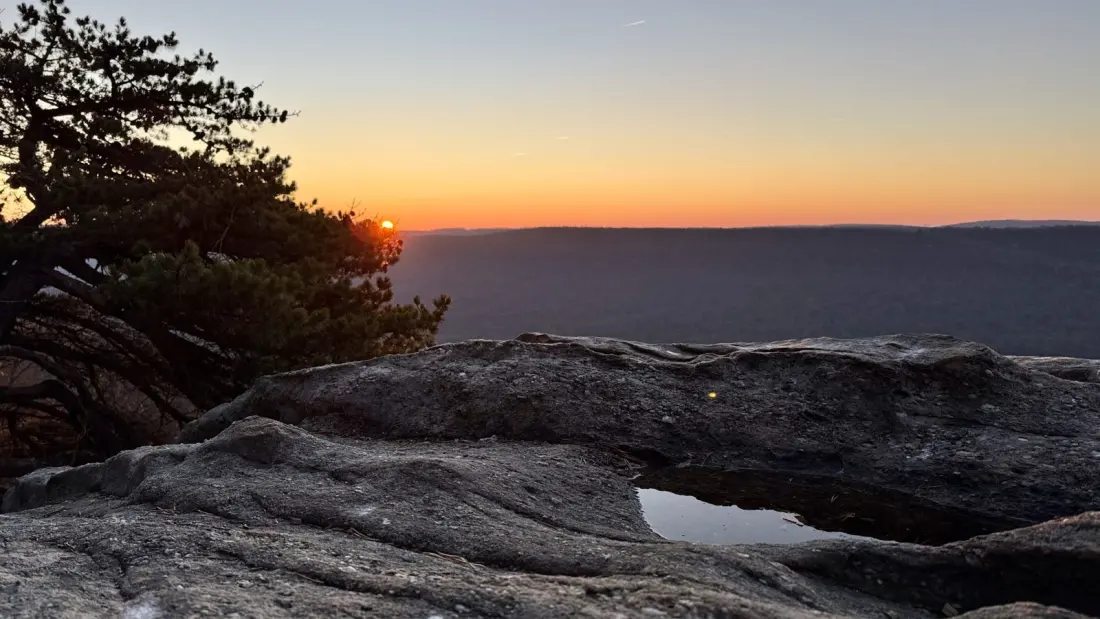
Why should a regular traveller care? Because it's a window into a style of hiking most people never see — the loop-and-return section hike, where the official trail is only half the plan. The ridges of Peters, Third and Second Mountain, and the valley roads between them, are reachable from towns like Hagerstown and Harrisburg, and a day-walker could borrow the same logic: use quiet gravel roads as return legs, check a topo app for alternates, and trust the map when a mystery road starts behaving strangely. November adds its own challenges — cold, humid mornings, heavy leaf litter hiding the footing — so shoulder-season hikers in Pennsylvania should pack warmer layers than the forecast suggests and expect solitude rather than crowds.
For anyone eyeing the AT's Pennsylvania midpoint, this dispatch is a useful reality check: the trail's rocky reputation is real, but the landscape around it rewards curiosity — just bring trekking poles and a healthy suspicion of unmapped roads.