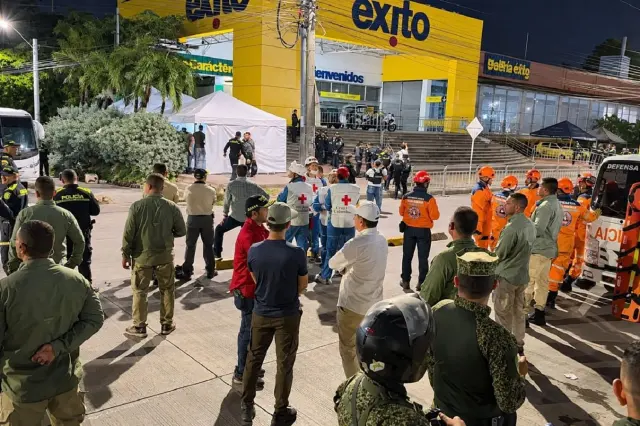
A car bomb exploded outside the Meta governor's office in downtown Villavicencio late Monday night, injuring at least 23 people, including minors, and blowing a crater into the city centre. No fatalities were confirmed in the initial assessment, though a security guard at the governor's office was reported to be fighting for his life. Investigators pointed to dissident FARC factions tied to a commander known as Antonio Medina.
The blast was not an isolated incident. It came less than 24 hours after a bombing targeting police facilities in Cúcuta, the capital of Norte de Santander, which also hit civilians. Authorities have not established an operational link between the two, but together they signal something unsettling: armed groups that historically operated in rural borderlands are now demonstrating the capacity to strike departmental capitals. Villavicencio, a gateway city between Bogotá and the Eastern Plains, had not seen an attack of this scale since 2002.
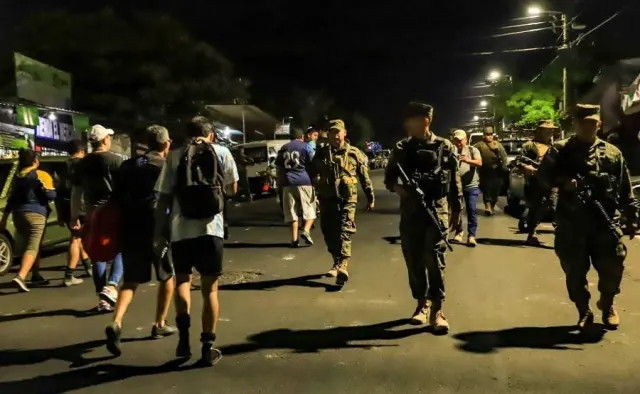
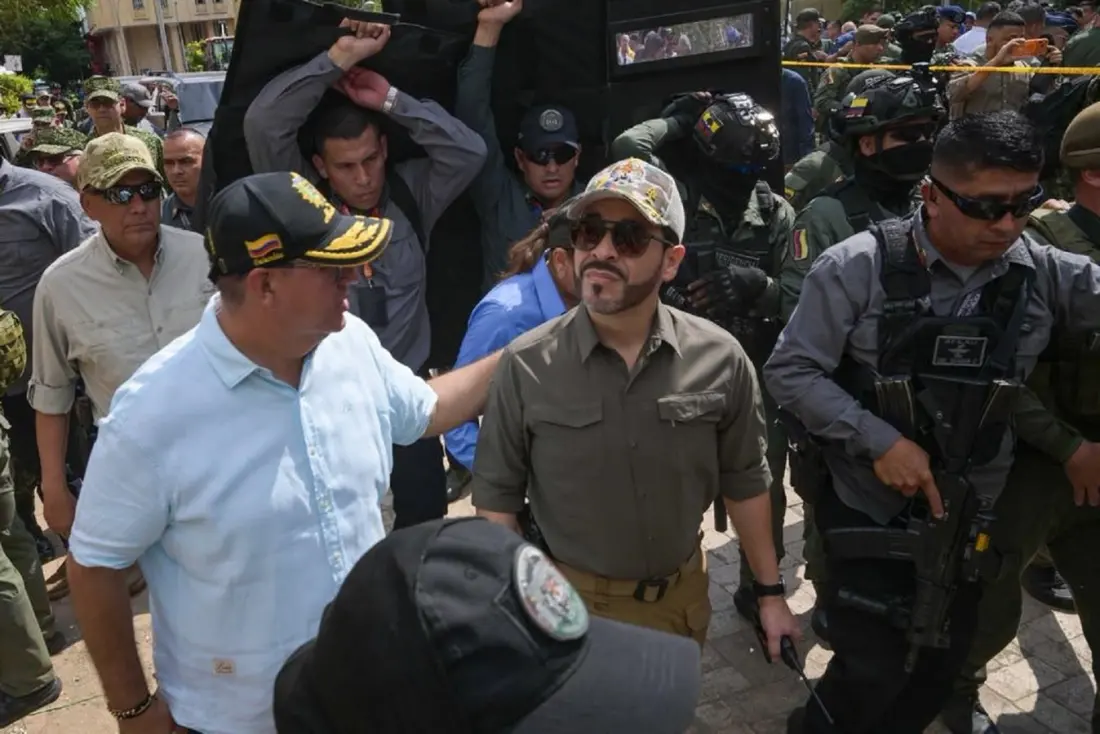
President Abelardo de la Espriella travelled to the city on Tuesday and unveiled a security strategy built around three principles he summarised as protect, contain and attack. The plan includes urban protection zones, security operational units, more intelligence and bomb-detection capability with international support, and a heavier presence of forces at city entrances. He also pledged to shut down the mobility corridors linking Puerto Gaitán, Mapiripán, southern Meta and the neighbouring department of Guaviare with the regional capital, through territorial control operations. According to the president, intelligence work has already helped thwart nine attacks in Meta, though no evidence was provided.
The government is refusing to negotiate. De la Espriella framed the bombings as a response to pressure from security forces and named FARC dissident leaders — including alias Iván Mordisco and the Front 39 'Arcesio Niño' — as targets of a continuing offensive. On the reconstruction side, he committed 15 billion pesos (roughly US$4.5 million) to repair homes, businesses and infrastructure, plus interest-free credit lines, tourism promotion funding through Fontur for the Christmas season, and support for small businesses in the affected area.
For travellers, the practical takeaway is that Colombia's main tourist corridors — Bogotá, Medellín, Cartagena, the coffee region, the Caribbean coast — remain far from these incidents, but the risk picture outside the big hubs is shifting. Villavicencio and the Llanos foothills are adventure-travel territory, popular as a launch point for the plains and Amazon-edge excursions, and anyone planning trips into Meta, Guaviare or the border regions should monitor official advisories closely, stay clear of government and police installations, and follow local guidance. A reward of up to 150 million pesos has been offered for information on the bombers, and the national tip line 165 has been promoted heavily — a sign authorities expect the tense atmosphere to persist.
Whether the new plan actually reduces attacks in secondary cities is the open question. For now, Colombia remains open for business, but trip planning for the interior warrants more attention than it did a year ago.