A shirt turns out to be a surprisingly good lens for looking at a country. That's the idea behind Fragmenta N°2, the second edition of a Lebanese cultural platform that uses design exhibitions to unpack the country's material heritage. This round is titled "Qamīs: Fragments of Dress" — qamīs is Arabic for shirt — and it runs from 28 November 2026 to 3 January 2027, spread across Beirut, Mount Lebanon and one very atmospheric industrial ruin.
The centrepiece is the former Kassem Sugar Refinery in Zalka, a 1950s landmark that has sat empty for years. Rather than stripping it out, organisers are keeping the old machinery and industrial traces intact, turning the building itself into part of the exhibition. Inside, more than 50 designers, artists and architects — Lebanese and international — will show new works prompted by the anatomy of a shirt: collars, cuffs, buttons, seams. Names on the bill include Karen Chekerdjian, Nada Debs, Richard Yasmine, Marc Baroud and Marc Dibeh, so expect the kind of contemporary Middle Eastern design that's been getting international attention lately.
Fragmenta was founded by Nour Najem and Guilaine Elias, and its first edition in 2025 tackled stone. Textiles are a natural follow-up: Lebanon once had a serious textile economy, from silk production and weaving to embroidery and tailoring, and whole villages built their livelihoods around it. Much of that knowledge is now fragile, which is where the satellite venues come in.
At the Maison de l'Artisan Libanais in Ain El Mreisseh, "The Fragility of Knowledge" gathers historical garments, tools and textiles that document techniques at risk of vanishing. Over at the Dalloul Art Foundation and Dalloul Artist Collective in Beirut, "In Other Hands" looks at the collaboration between artists and the artisans whose skills usually go uncredited.
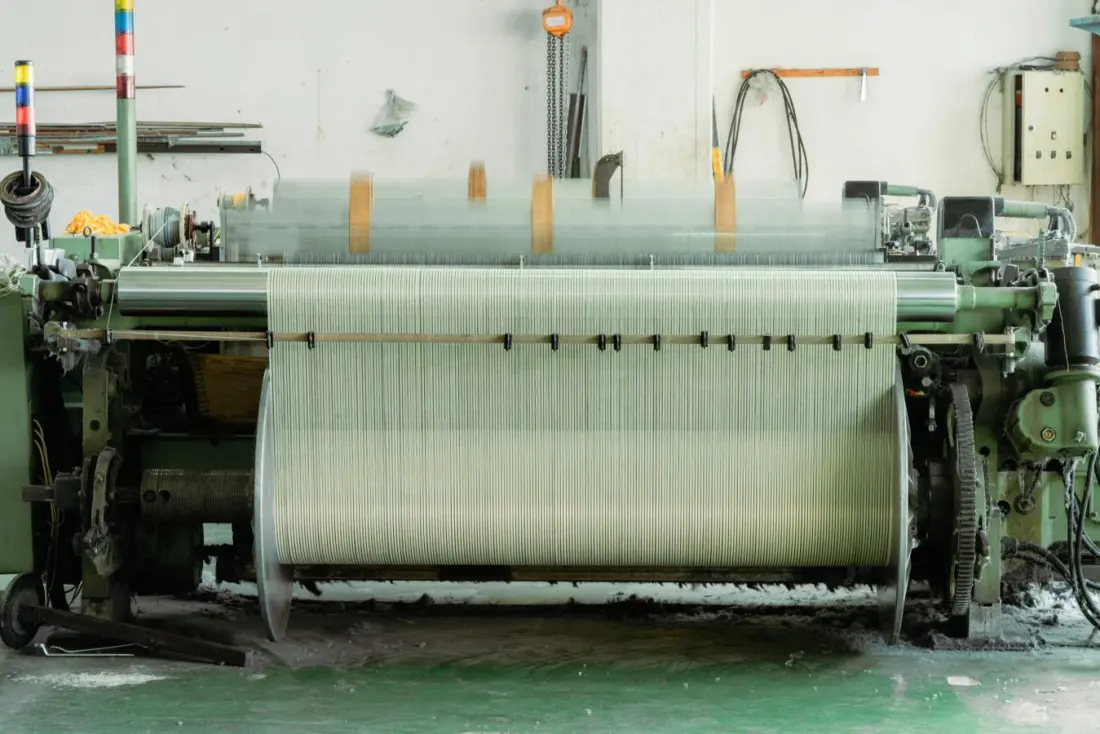
The most compelling detour might be Beit Chabeb, a village in the Metn with a deep history of silk weaving. Roger Moukarzel's archival photography and research there trace the jacquard factories that once employed local families. The programme also proposes visits to working sites: the Katbe Textile Factory in Hadath, one of Lebanon's last functioning textile factories, and Tom's Sons Pleating Workshop in Antelias, where pleating is still done the traditional way.
For travellers, this is a rare chance to see Lebanon beyond Beirut's restaurants and the Jeita Grotto circuit. The exhibitions double as a route through neighbourhoods and villages most visitors skip — Zalka's industrial coast, Ain El Mreisseh, the Metn hills — and the winter dates mean you'll catch the country in its quiet, atmospheric season. Check thisisfragmenta.com for the full programme before you go, since some visits to working factories will likely need advance planning.