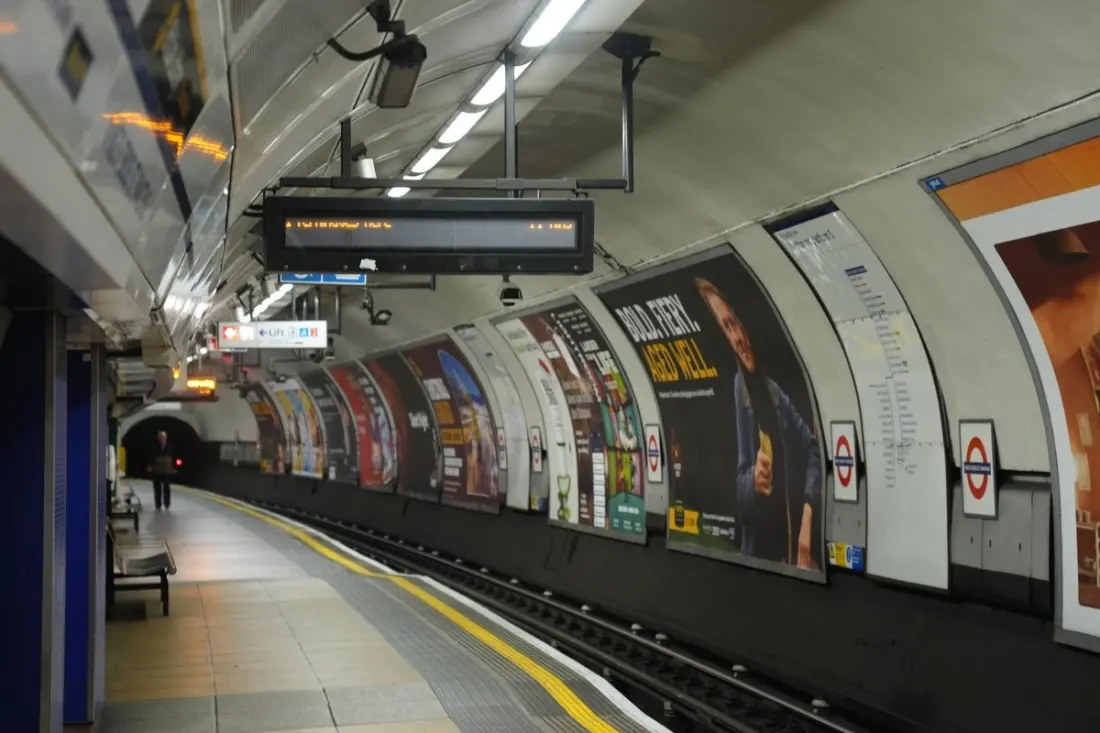
A 24-hour walkout by Tube drivers left London Underground running a patchwork service this week — but not quite as badly scrambled as many feared. The strike, called by RMT members in a dispute over plans to move to a four-day week, kicked off at midday on Thursday. By the end of that first day, just over 55 per cent of the network was running, better than in earlier rounds of the same dispute, and around two-thirds of normal passenger numbers were still riding the Tube.
Friday morning was rougher but functional. All lines were back up before 6.30am, ahead of schedule, with the Victoria and Jubilee lines starting on time. The network held just over 40 per cent of normal services until 9am, though the Waterloo & City line was suspended entirely and Piccadilly line trains ran at reduced frequency. Overall transport usage across London hit 90 per cent of typical levels on Thursday, suggesting plenty of people simply switched to buses, walking or cycling.
The strike formally ended at noon on Friday, but Transport for London warned that normal service wouldn't resume until 6pm, as trains and drivers needed to be repositioned across the network. LU's director of customer operations, Nick Dent, apologised for the disruption and pressed the RMT to put the four-day week proposals to a member vote. The union argues the plan would mean longer, less predictable shifts and would scrap agreements built up over years. Notably, the other drivers' union, Aslef, has accepted the proposals and its members worked through the strike — which explains why some lines coped better than others.
The bigger picture for anyone with a London trip on the horizon: more strikes are scheduled for next month and again in the new year unless the two sides reach a deal. That doesn't mean cancelling a visit, but it does mean checking the TfL website before you travel and building in extra time on strike days. London's bus network, the Overground, DLR and National Rail services typically run normally during Tube strikes, and the city is genuinely walkable for shorter hops — crossing central London on foot is often faster than a diverted bus in rush hour.
If you're booking flights or hotels around the strike dates, flexibility pays. Keep journeys simple on affected days, avoid tight connections to airports via the Tube alone, and consider routes that use Paddington, Fenchurch Street or other National Rail termini as workarounds. Strike days aside, this is the same London as ever — book your shows and restaurants as planned, just double-check your line is running before you set out.