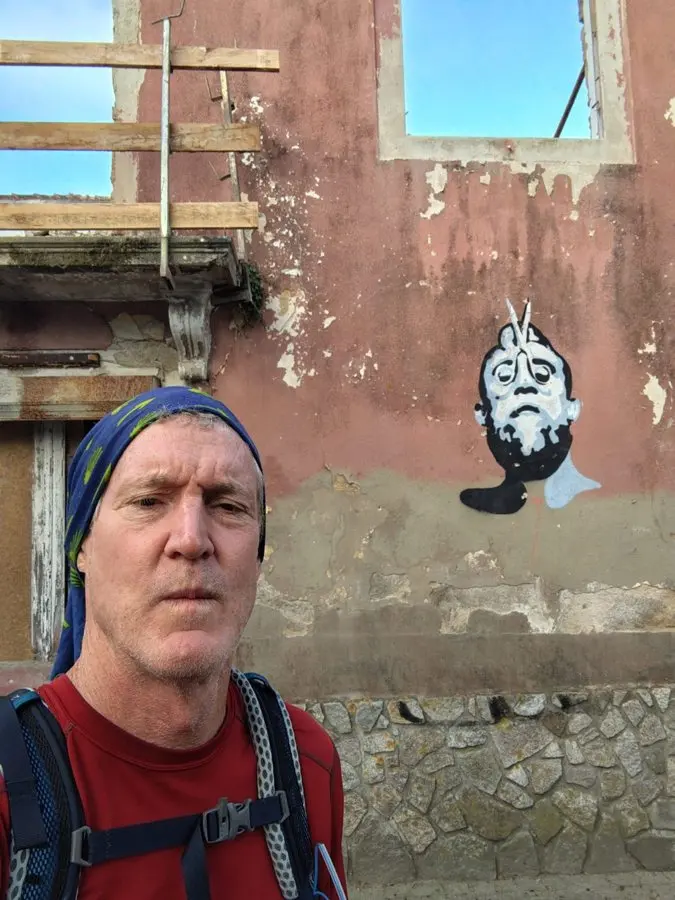
Two long-distance hikers crossed from Spain into Portugal on day 50 of their Camino, logging 17.6 miles from Caminha to the medieval town of Viana do Castelo — and picking up a story about a haunted hotel along the way. Their night before the border was spent in a centuries-old building pressed against the back wall of a thousand-year-old church, where both woke sweating, smelling sewer gas and remembering strange dreams. The morning got odder: one phone died on disconnecting from the Wi-Fi, the other began speaking unprompted. The name they gave the place — the farting ghost hotel — stuck for the rest of the day.
Crossing the River Minho into Portugal comes with a quirk many pilgrims don't expect: the clocks go back an hour. Spain runs on the same time as the rest of its Camino, but Portugal shifts, gifting walkers an extra hour of morning. The pair set off at 7 a.m. in cool high-50s weather, a high-speed train whooshing past shortly after.
Once in Portugal, they've been building their own route rather than following the pilgrim trail blindly, mixing the official coastal route with the lesser-known littoral path that hugs the shoreline. It's a trade-off: quieter backcountry and beaches no map shows, but also stretches of highway with no shoulder. One detour near Âncora through deep sand dunes proved so exhausting they bailed to a busy road before finding a calmer village lane. Rewards included a wide beach fronted by an old fort — eerily similar in design to one in St. Augustine, Florida — and a miles-long boardwalk across marshland.
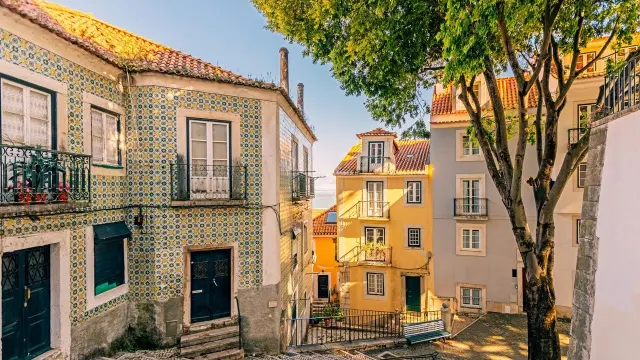
Portugal announces itself quickly in small ways. Pastries shift from Spanish styles to layered, croissant-like treats that are only lightly sweet. Greetings change from buen camino to bom caminho, and locals offer bom dia constantly. A language tip worth memorising: thank you is obrigado if you're a male speaker, obrigada if female — the ending reflects the speaker's gender, not the listener's. Lunch that day was a wonderful, remarkably cheap restaurant meal, followed by farm tracks paved with six-inch stones that felt like the Roman roads of northern Spain.
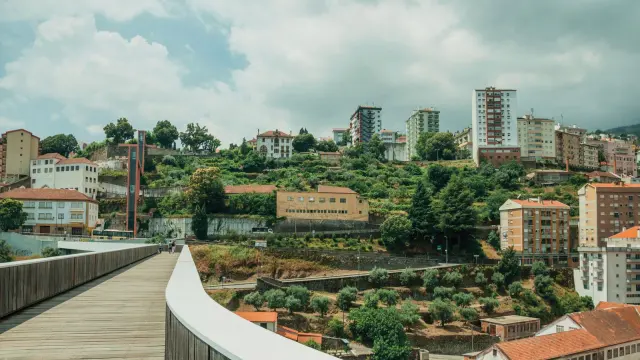
Viana do Castelo delivered a proper finale. The town was mid-festival — a large medieval and Renaissance event with costumed locals playing historical roles — and the hikers spent two hours people-watching over small glasses of Portuguese red wine. Even in June, the evening was cold; the ocean breeze keeps this coast chilly even when the fog burns off. Their room, luckily, was in a quiet basement.
For anyone eyeing the Camino Portuguese, this stage shows why it's worth lingering: a haunted backstory, fortress beaches, dune walks you can skip, cheap food, and a genuinely atmospheric old town to land in. It suits independent walkers comfortable with self-navigation, and anyone who likes their pilgrimage with a side of ghost story.