Call someone a malinchista in Mexico and you've said something more pointed than you might realise. The word describes Mexicans who fawn over anything foreign — praising the tidiness of European cities, snapping up imported goods, or criticising Mexican ways by comparison. It's a mild accusation, closer to teasing a friend about their football team than a genuine insult, but it carries five centuries of history.
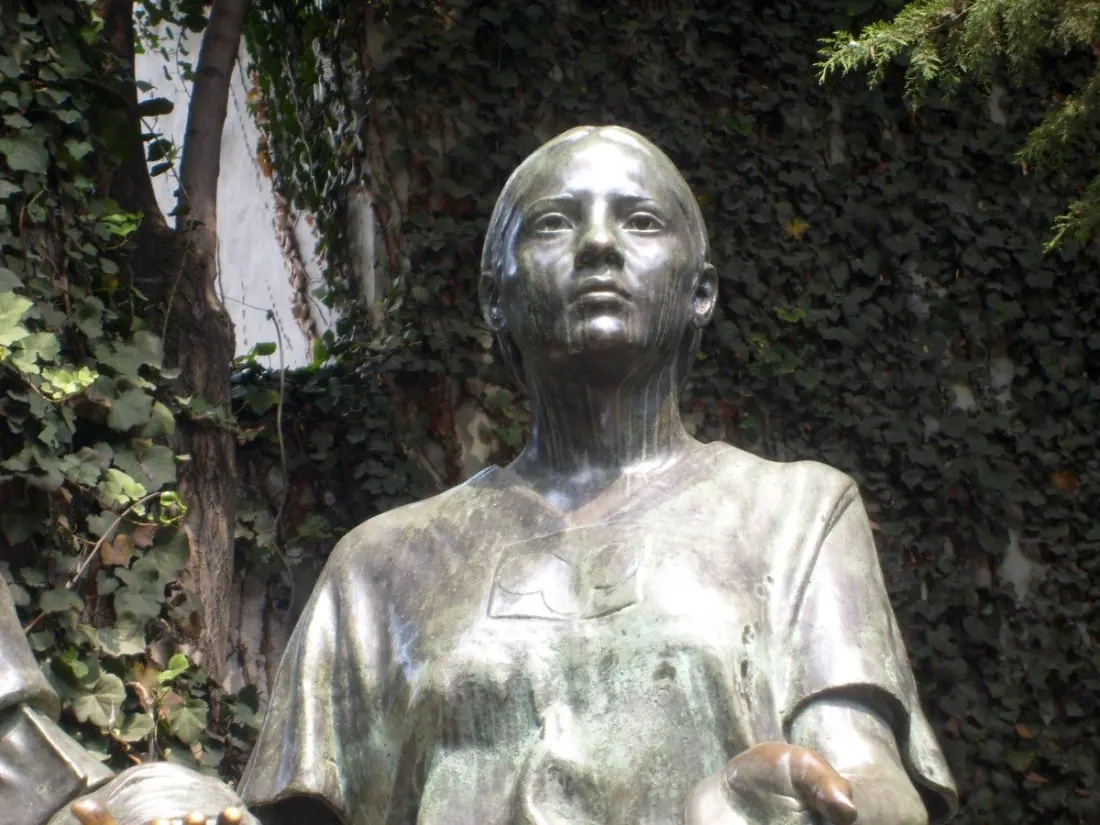
The term traces back to Malinche, known to the Aztecs as Malintzin and to the Spanish as doña Marina. She was the indigenous woman who served as Hernán Cortés's interpreter during the conquest of Tenochtitlán, and later his mistress and mother of his son. Because early life events left her fluent in both Maya and Náhuatl, and with the help of Gerónimo de Aguilar — who spoke Spanish and Maya — she gave Cortés the communication channel that made the conquest possible. To some, that makes her a traitor; to others, the label is far weaker than its reputation.
Writers have leaned on her story for generations. Twentieth-century authors spun quasi-Freudian theories linking Malinche to the Mexican psyche and national identity — the idea that mestizos, people of mixed Spanish and indigenous heritage, were somehow born of betrayal. An earlier, gentler tradition existed too. In Manuel Payno's 19th-century short story El Hombre de la Situación, young Fulgencio returns from England embarrassed by his family's rustic manners, so they quietly sneak off to eat tostadas, quesadillas and mole without offending him. No judgement — just a wink at the vanity of youth.
The push-pull toward foreign things persists, though globalisation has softened it. Two countries hold special status: the United States and Spain, Mexico's closest economic and cultural partners. Yet even committed fans of foreign culture hesitate to praise either outright — the great northern neighbour is a rival as much as a partner, and Spain's colonial history complicates any adulation. Note too that you'll rarely see a Mexican journalist labelling a president "Harvard-educated"; that habit belongs to the foreign press. Mexican officials are proud of UNAM, the Politécnico, Tecnológico de Monterrey or ITAM first, whatever postgraduate courses they may have taken abroad.
The best twist of all: the malinchista at home often flips into a patriot abroad. Someone who drinks nothing but scotch in Mexico City may demand only true blue agave tequila the moment they land in London or New York. That's not bad manners, the argument goes — just bad economics, since tequila is cheaper and better at home.
For travellers, the word is a small key to a big door. Understanding malinchismo helps you read the playful pride Mexicans take in their own food, drinks, universities and cities — and why praising a foreign city's order can prompt a raised eyebrow. Compliment the mole instead.