Belize is getting more expensive, fast. New figures from the Statistical Institute of Belize, published on 28 October, put September inflation at 4.7 percent, with transport, food, housing and utilities making up roughly three-quarters of the price rises compared with September 2025.
Transport was the biggest mover, jumping 10.7 percent. Diesel averaged BZ$15.69 a gallon, up from BZ$11.92 a year before; regular petrol climbed from BZ$12.01 to BZ$13.78 and premium from BZ$13.21 to BZ$14.62. Bus and taxi fares and international airfares rose too — a detail travellers will feel directly when booking and getting around.
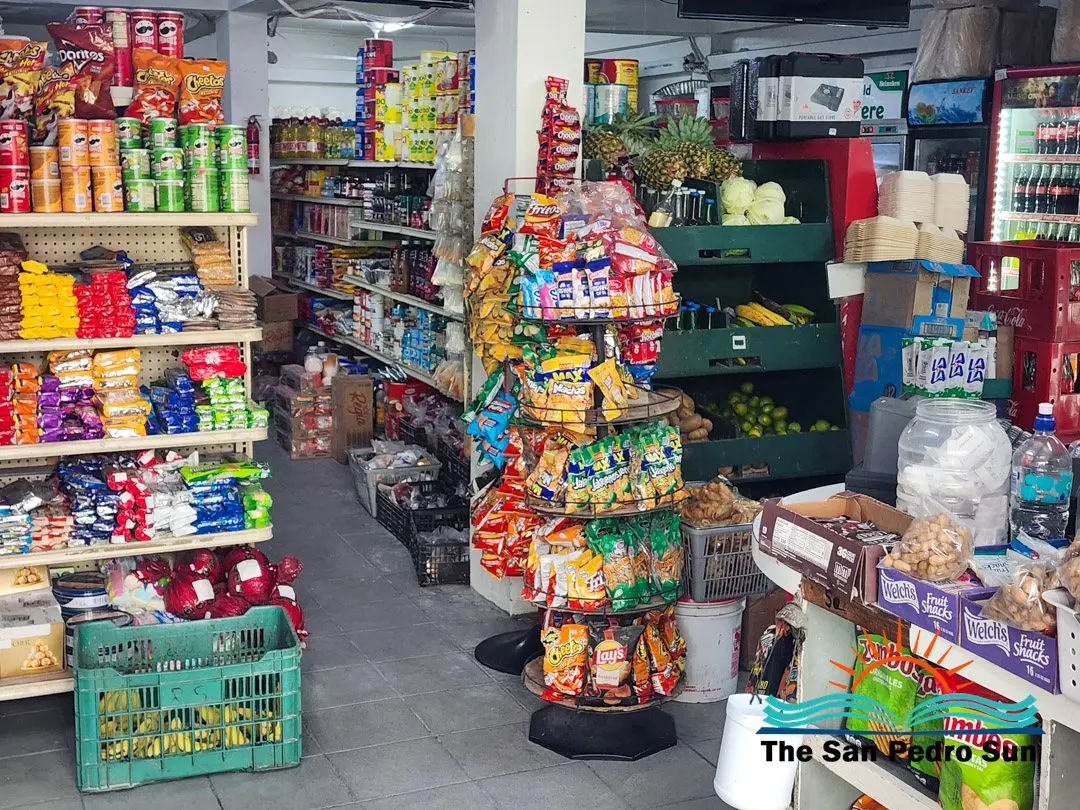
Groceries went up 4.3 percent overall, with poultry, vegetables, fruit, sugar and bakery items all costlier. Housing and utilities rose 4.4 percent, pushed by electricity charges (including a new Cost of Power Adjustment introduced this year), water tariffs and rents. A household using 4,500 gallons of water a month now pays BZ$91.13 versus BZ$86.38, and rents are up 2.3 percent year on year.
One bright spot for visitors: San Pedro Town on Ambergris Caye recorded the lowest inflation of the municipalities surveyed at 3.3 percent, with gentler increases in food, passenger transport and medical services. Worth reading carefully, though — a slower rise isn't a drop, and San Pedro isn't necessarily cheaper than elsewhere in Belize. Prices nationally still edged up 0.2 percent between August and September, and for the first nine months of 2026 they averaged 3.1 percent above the same period last year.
Local sentiment is souring alongside prices. The Consumer Confidence Index slid from 42.4 in August to 38.4 in September — a 9.6 percent drop and the lowest reading since April 2024. Anything under 50 signals pessimism, and the willingness to buy big-ticket items fell hardest, down 13.4 percent, while expectations for the year ahead flipped from optimistic to pessimistic.
For holiday planners, the takeaway is practical rather than dramatic. Belize was never a budget steal, and with fuel-driven transport costs up sharply, expect taxi fares, domestic transfers, tours and rental cars to sting a bit more than they did last year. Groceries for self-catering on the islands will also run higher. None of this should stop a trip — the reef, cayes and jungle lodges are unchanged — but building a slightly fatter daily budget, booking domestic transport early, and comparing tour prices in San Pedro versus the mainland will stretch your money further.
Story based on reporting by the San Pedro Sun.