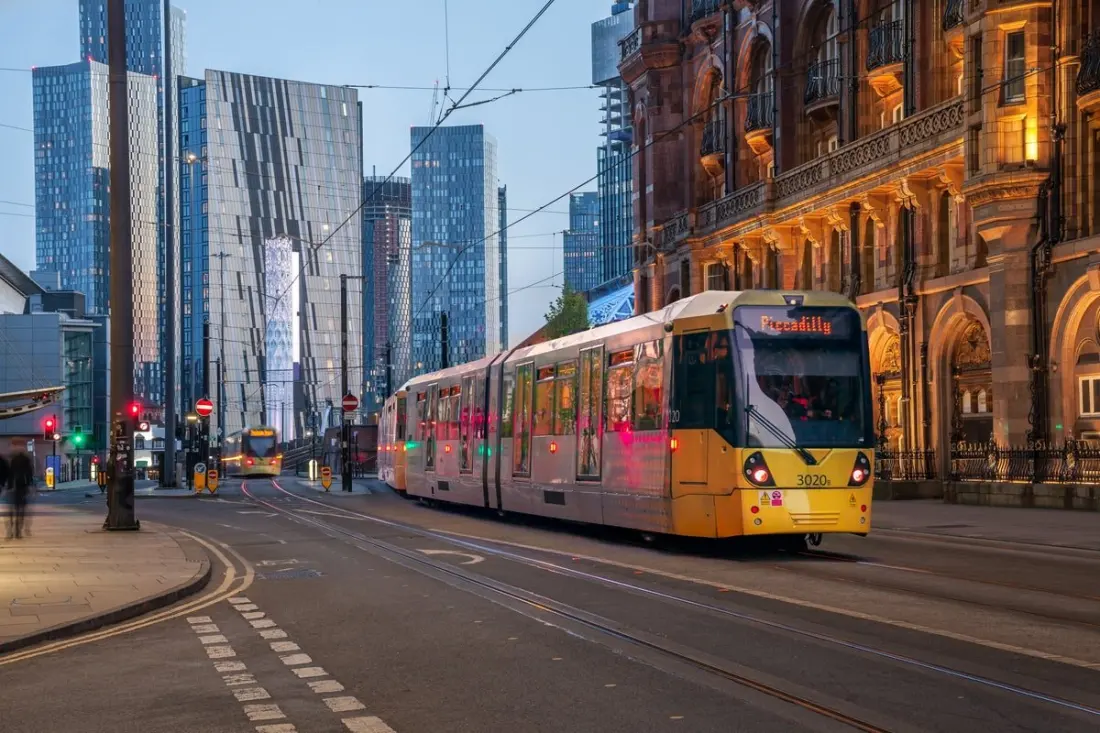
Manchester is quietly laying the groundwork for something no UK city outside London has: a true underground railway. Transport officials have warned that the city's current set-up — mostly the Metrolink trams plus a congested mainline rail network — will run out of capacity by around 2050, and Greater Manchester's mayor, Bev Craig, thinks the answer is to start digging.
Her starting point is a new underground station at Piccadilly, the city's busiest rail hub. Andy Burnham, before stepping down as mayor to become Prime Minister, had already floated the idea of turning Piccadilly into a 'King's Cross of the North' — a reference to the regeneration that reshaped the area around its London counterpart. Craig wants government confirmation on the station by Christmas, and the Department for Transport says it is actively exploring underground platforms at Piccadilly alongside the £45bn Northern Powerhouse Rail programme.
That NPR link matters: underground platforms would let through-trains pass under Manchester rather than terminating there, and would create the foundation for a wider metro later. Transport for Greater Manchester has already presented three multi-billion-pound tunnel concepts. One would relieve the busy Altrincham–Bury tram corridor, potentially doubling capacity. Another resembles a National Rail relief tunnel in the mould of Paris's RER, Munich's S-Bahn or London's Elizabeth line, running high-frequency services through the centre. The third is the boldest: a fully segregated metro running roughly from the Northern Gateway to the airport via hospitals and universities, serving parts of the city currently without any rail or tram link.
None of this is approved yet — the underground is still at the early proposal stage — but the direction of travel is clear, with official backing for NPR already secured and planning work beginning. Transport Commissioner Vernon Everitt has framed it bluntly: the region's population, jobs and events calendar are all growing, and without new capacity the city risks holding itself back.
For travellers, the timeline is long — don't expect to ride a Manchester metro this decade — but the effects will eventually be significant. Airport-to-city-centre trips without changing mode, faster cross-region connections and less tram overcrowding during big events like football fixtures and festival weekends would all make visiting easier. In the shorter term, Piccadilly's redevelopment is worth watching if you're planning trips over the next few years, as construction phasing could affect station access. For now, the Metrolink remains the easiest way to get around, and anyone flying into Manchester should keep an eye on how these plans progress between visits — the city that built the world's first intercity railway may be about to go underground next.