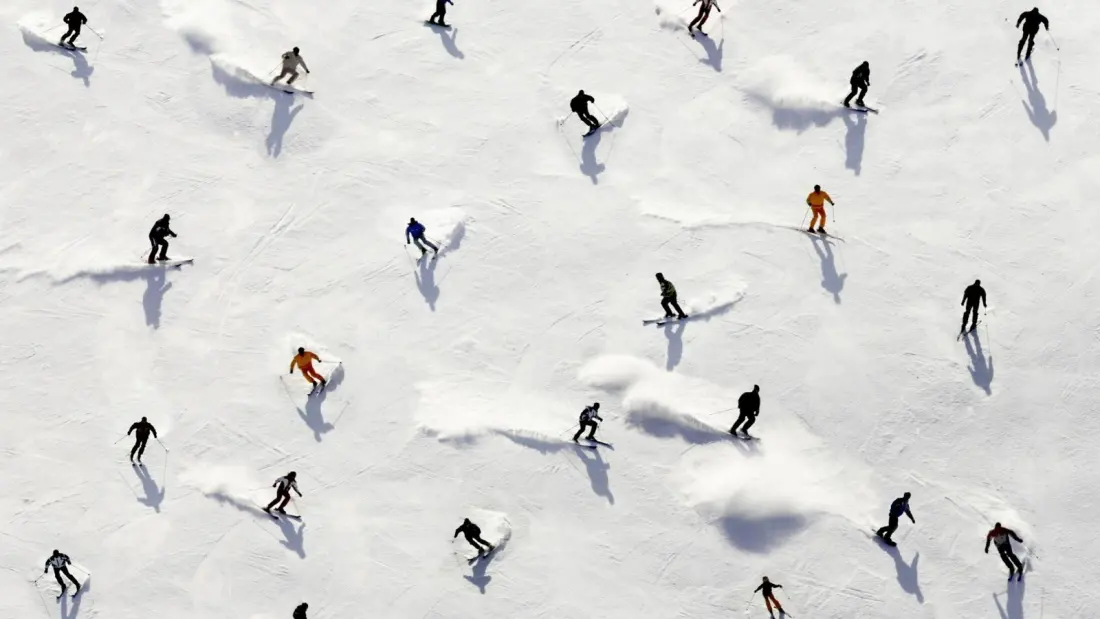
Taos Ski Valley in northern New Mexico recorded just 76 inches of snow last winter, its leanest season on record and a long way from its roughly 170-inch average. The season before managed only 91 inches. Large parts of the mountain stayed closed until late in the year, and a warm spring shut the resort down early. For a writer at Outside whose whole life has revolved around skiing, watching February turn into mountain-bike weather was a genuine low point — and a familiar one for anyone who plans their year around winter.
The piece pulls together voices from across the ski world on what to do about shrinking, unpredictable seasons. Ewan Mackie, mountain manager at New Zealand's Treble Cone, is blunt: climate change is an undeniable threat, but resorts aren't finished. His area has invested in earthworked trails that shade snow from the sun, plus new snowmaking gear. The SnowFactory system from Italy's AlpinTech can produce snow in temperatures up to 86°F, and machine-made snow actually forms a denser, longer-lasting base than natural falls. Tech-equipped snowcats now let operators map snow depth and patch thin spots.
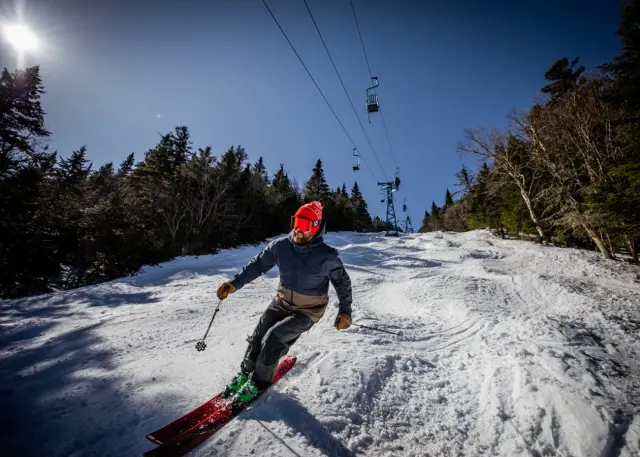
Athletes are adapting too. Former Olympic halfpipe skier Janina Kuzma, now working toward full backcountry guide certification at 40, treats bad-weather days as training time and happily laps terrain parks and groomers when the powder never arrives. Christine Feleki, a guide with Bella Coola Heli Sports in British Columbia's Coast Mountains — a region dealing with wildfires, retreating glaciers and tricky snowpack — has reset her clients' expectations toward simply having a good mountain day, boilerplate and all.
The article's most interesting angle is psychological. Researcher Britt Wray argues that sadness about losing winter isn't a malfunction: grief measures love, and difficult emotions carry useful information. Yale cognitive scientist Laurie Santos adds a practical tool — savoring. Slow down, stay present, practice gratitude, and remember that perfect snow was never guaranteed even before climate change. Treating every decent day on the hill as a privilege rather than an entitlement, she suggests, makes imperfect conditions feel less like a loss.
For travellers, the takeaway is part mindset, part logistics. Book winter trips with flexible expectations: check a resort's snowmaking capacity and terrain variety before you go, and consider destinations investing in resilience like Treble Cone. Pack for mixed conditions, and have a backup plan — hiking, après, a terrain park — for the days the weather wins. Above all, go while you can and enjoy it without insisting it be perfect. The skiers profiled here would tell you that a good day on mediocre snow beats a wasted winter waiting for the season we remember.