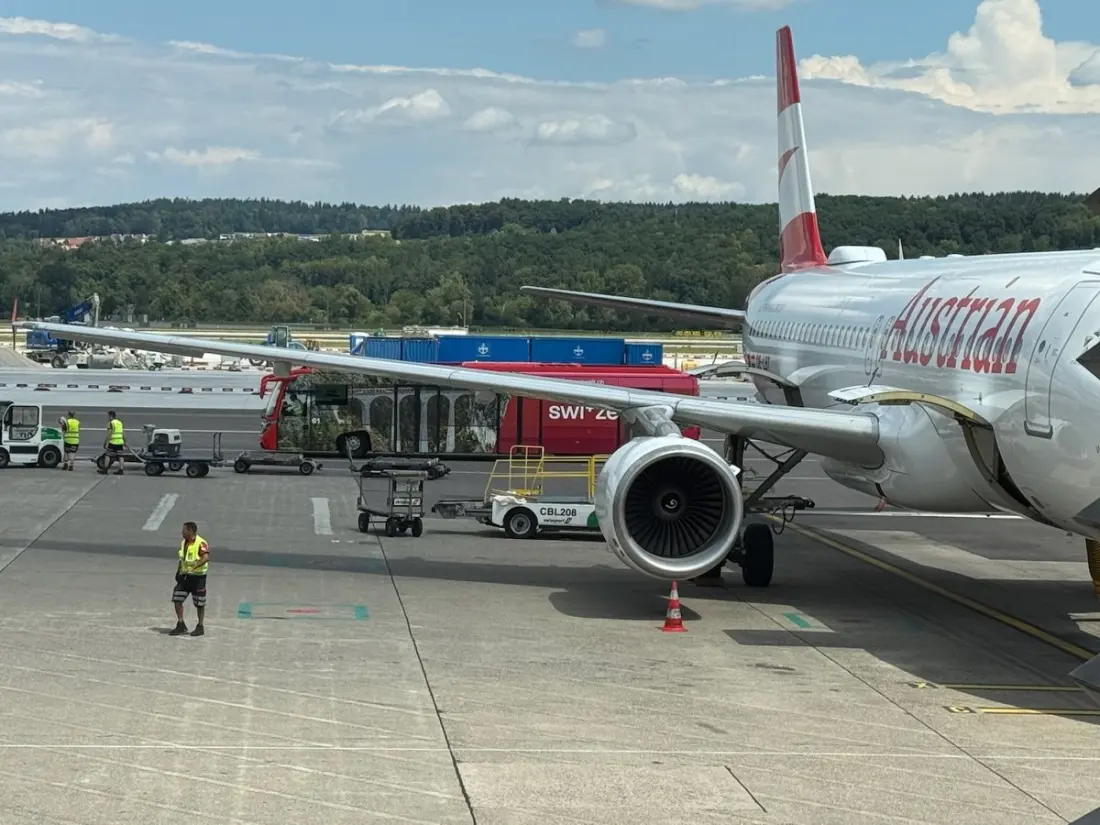
A single phone call was enough to scramble fighter jets and divert an airliner carrying 51 passengers. Austrian Airlines flight OS82, an Airbus A320 flying from Tel Aviv to Vienna on October 18, was approaching the Romanian border when a security threat forced it to change course for Sofia, Bulgaria. Bulgarian MiG-29 fighters were scrambled to escort the jet in, according to Reuters.
The threat, it later emerged, had been made by telephone to Vienna Airport. Austria's Interior Minister Gerhard Karner confirmed that detail but declined to elaborate, saying only that authorities were investigating.
After landing in Sofia, passengers and the six crew members were taken off the aircraft, screened, and kept waiting while police searched the plane. Austrian Airlines later confirmed that no danger was identified during the checks of the aircraft, passengers, and crew. Everyone reboarded, and the flight eventually continued to Vienna, arriving early the next morning.
It is worth pausing on what the experience would have felt like: looking out a window to see a fighter jet flying alongside your plane, then landing in a country that was never on your itinerary and sitting through a security sweep before being allowed home. Even when a threat turns out to be empty, the costs are real — hours of delay for passengers, an unscheduled diversion for the crew, and military and police resources pulled into the response.
The airline's decision to take the call at face value was clearly the right one. Once a threat is received, a crew has to act on the information in front of it, and hindsight about what was or wasn't on board doesn't make the precaution excessive. The more urgent question is who made the call. A fabricated bomb threat is not a prank; it triggers a military escort, an international diversion, and hours of disruption for dozens of people. If investigators identify the caller, serious consequences would be a reasonable expectation.
For travellers, the practical takeaway is mostly reassurance rather than alarm. Security protocols around flights from Tel Aviv are among the strictest in the world, and this incident shows them working exactly as intended — a threat was reported, the aircraft was diverted and searched, and no danger was found. Flights on the route continued, and passengers reached Vienna the same night. It's also a reminder that when a diversion happens, airlines typically reboard passengers on the same aircraft once it's cleared, so the disruption, while dramatic, is usually measured in hours rather than days. Anyone flying in the region should simply expect that security-related diversions, while rare, can add several hours and an unexpected stopover to a journey, and that airlines and authorities will err heavily on the side of caution.