El Salvador used to be the Central American country travellers skipped. Not anymore. Since 2021, tourism has grown fast, helped by a security turnaround that has made it one of the safer corners of Latin America — and by a coastline, a string of volcanoes and a stack of Maya ruins that reward anyone who makes the trip.
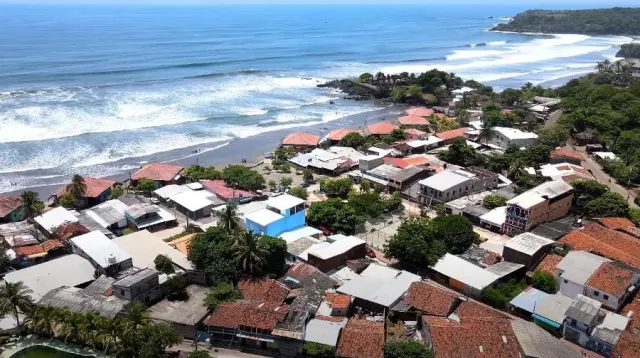
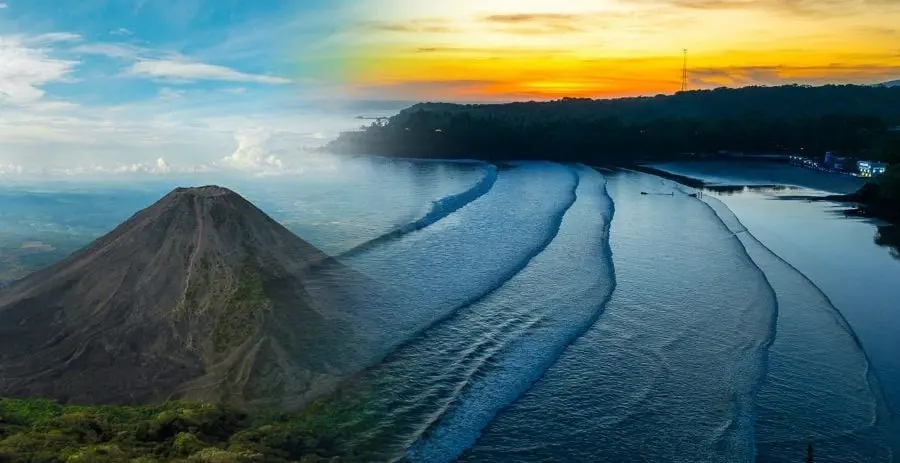
Start with the Pacific coast. El Tunco is the poster child: a small La Libertad beach town packed with surfers, bars and an international crowd. Nearby Punta Roca is a famous right-hand point break that hosts international competitions, while El Sunzal's long, consistent waves suit beginners and pros alike. Further east, Las Flores in San Miguel draws serious surfers to its powerful point break. If waves aren't the point, Costa del Sol's long sandy stretch is family-friendly, El Cuco is a relaxed fishing town, and Los Cóbanos offers coral reef diving and snorkelling — rare on this coast. Because the country is small, most of these beaches sit within a short drive of the international airport, making week-long trips or even quick weekend escapes easy.
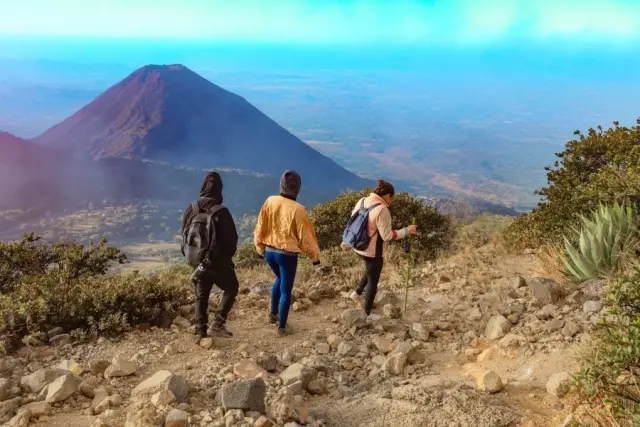
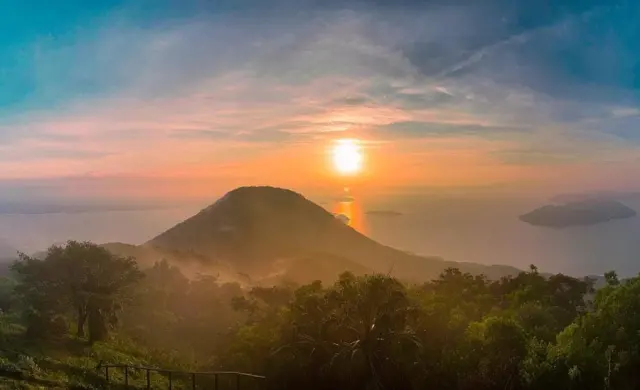
Inland, the "Land of Volcanoes" earns its nickname with more than twenty volcanic peaks. Santa Ana (Ilamatepec), the country's highest at 2,381 metres, has a striking turquoise crater lake and panoramic hikes. Izalco, once called the "Lighthouse of the Pacific" for its near-constant eruptions, is a popular climb. San Salvador Volcano sits right over the capital, so you can pair a morning hike with city sightseeing. Tecapa hides the Laguna de Alegría, nicknamed the "Emerald of the Americas."
History buffs get plenty too. Joya de Cerén — a village preserved under volcanic ash and often dubbed the "Pompeii of the Americas" — is a UNESCO World Heritage Site that shows everyday Maya life, not just temples. Tazumal in Chalchuapa has an impressive pyramid, San Andrés pairs ceremonial ruins with volcanic backdrops, and Cihuatán near Aguilares reveals the scale of the region's ancient trade networks.
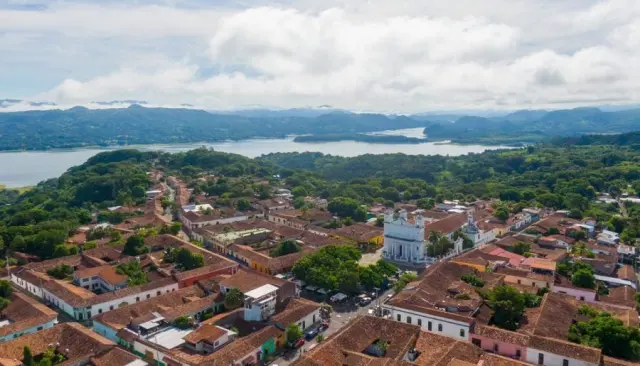
Round it all off in the towns. Suchitoto is the colonial charmer, Juayúa is known for its food festivals, and Panchimalco keeps strong indigenous traditions alive. Coffee, street food and cobbled streets come standard. And in the capital, San Salvador, the restored Historic Centre packs the National Palace, Metropolitan Cathedral and National Theater into a walkable core.
Why it matters for travellers: El Salvador squeezes surf breaks, volcano hikes, Maya archaeology and colonial towns into an area smaller than neighbouring Guatemala or Honduras, with far less travel time between them. The government's Surf City push has also raised the profile — and quality — of coastal infrastructure. It suits travellers who like a bit of everything: adventurers, surfers, food-focused wanderers and anyone who wants a Central America trip without a packed itinerary of long bus rides.