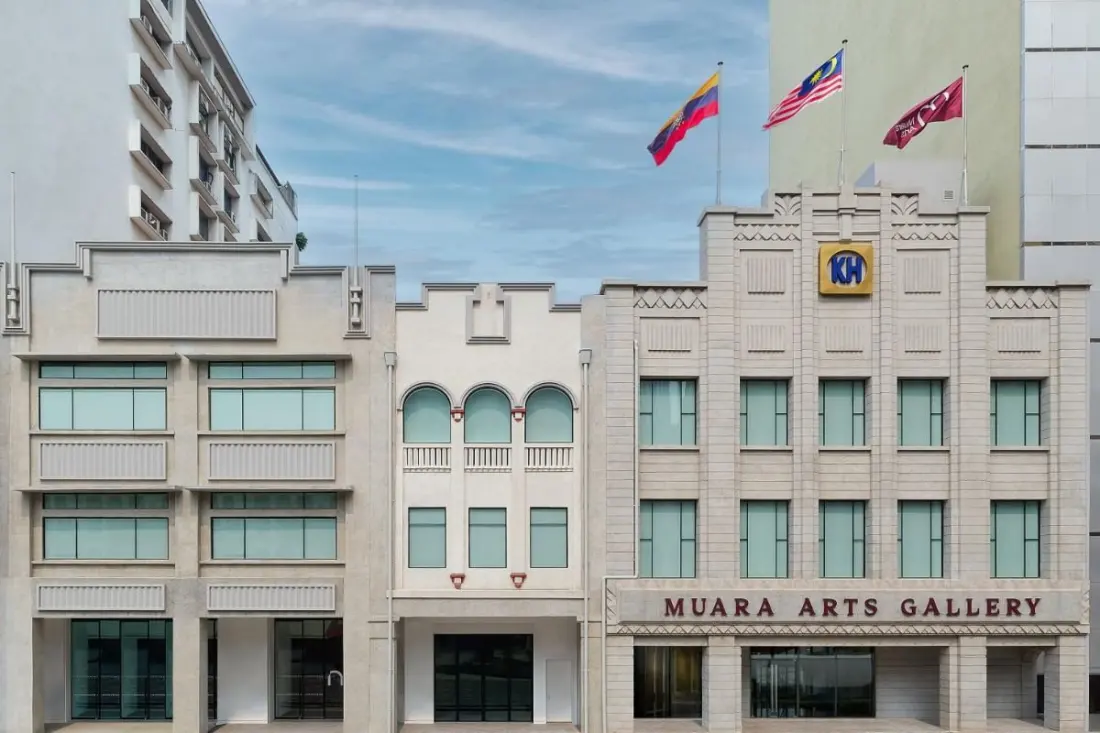
Kuala Lumpur has long lacked a gallery devoted to Southeast Asian art — odd for a region whose contemporary scene is booming. That gap is what Muara Arts, a new non-profit space launched by the Creador Foundation, set out to fill, and its debut show makes a strong case for the project.
The opening exhibition, "A-Z of Southeast Asian Art: A Critical Dictionary", takes its cue from Singaporean artist Ho Tzu Nyen's ongoing Critical Dictionary of Southeast Asia project. The curatorial team worked through a methodical process: they drew up a long list of artists whose work connected across the region's dictionary-like terms, then assembled the show like a puzzle. More than 40 artists feature, spanning different generations, ethnicities and genders — deliberate choices, says artistic director Lydia Yee, who wants visitors thinking about what unites the region rather than only national identity.
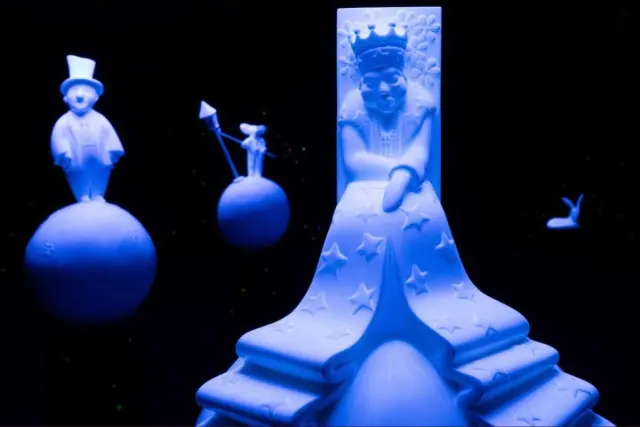
The lineup itself is a mini-tour of the region. Filipino artist Pio Abad's 3D-printed sculpture "Crown For C" references jewels smuggled into Hawaii by the Marcos family, tying a national scandal to wider themes of corruption and lost heritage. Malaysian textile pioneer Anne Samat, based in New York, shows "Can Not Be Broken And Won't Live Unspoken", a figure woven from everyday objects — hair combs, garden hoses, plastic ornaments — that conjures both ecology and spirituality and mourns her late mother. Two Thai artists sit side by side: Mary Pahn's paintings riff on Warhol's Marilyn prints, while Tanatchai Bandasak contributes video and painting works, including one exploring the capacity of national opera houses. Singaporean Zariah Muhammad anchors the letter A with an installation of divination diagrams drawing on Malaysian and Southeast Asian manuscripts.
The founders also stress the freedom a non-profit model allows: art that might never seem commercial still gets shown. Co-founder Brahmal Vasudevan sees the gallery working best as a catalyst — helping Malaysian artists understand their neighbours, and giving regional artists connections with peer curators abroad, where opportunities have traditionally concentrated in Europe, the US and Hong Kong. A model exists nearby: co-founder Shanthi Kandiah was inspired by witnessing the rise of what became the India Art Fair while living in Delhi in the early 2000s.
For travellers, this is a genuine addition to KL's cultural map. The gallery sits at 81 Medan Pasar in the city centre, an ambitiously regenerated public square ringed by six art-deco shophouses, a short hop from the riverside market precinct where the foundation was born. Admission is free until 4 April next year, after which ASEAN adults pay RM25 (RM50 for non-ASEAN visitors), with concession tickets at RM12–20 and children under 12 free. Opening hours run to 8pm, making it an easy evening stop between dinner and drinks.