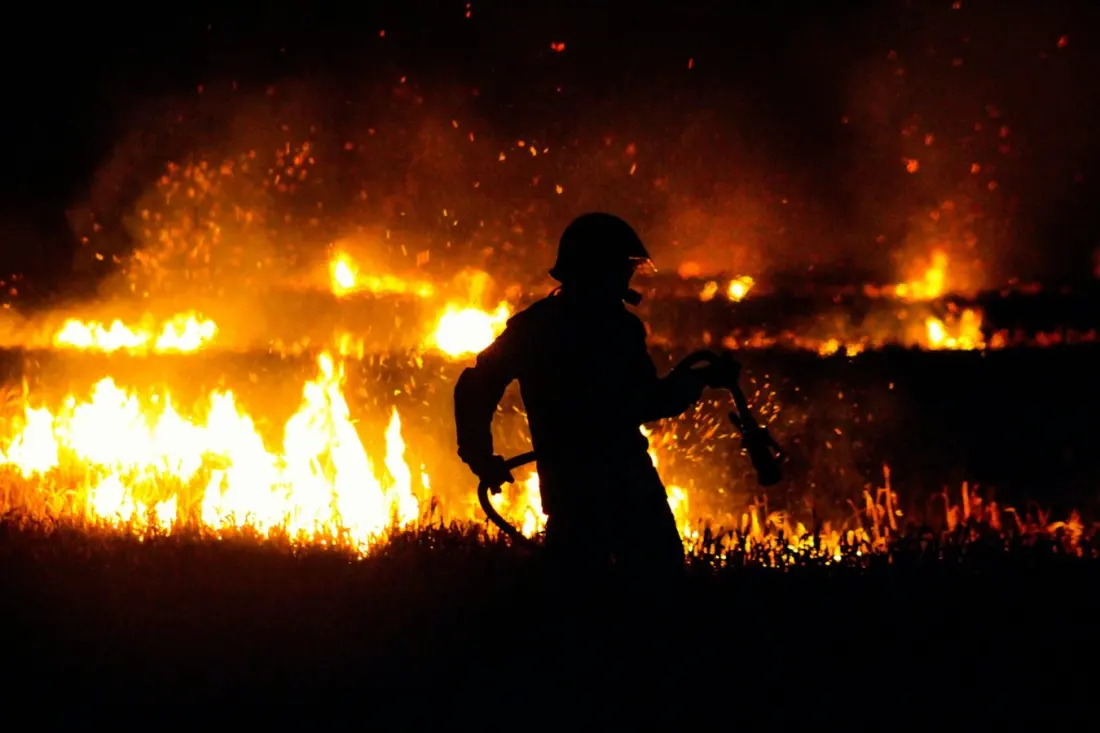
On the night of 13-14 August, wildfire tore through the Omiš area on Croatia's Dalmatian coast. Six people died, homes burned to the ground, and residents who couldn't escape by road fled into the sea to survive. More than three months later, as of mid-November, those who lived through it say they still have no information about the cause, accountability, or when meaningful reconstruction aid will arrive.
The survivors' accounts are stark. Families describe packed coastal roads at a standstill while flames closed in from both sides, embers raining down, and cars ahead of them catching fire. Dubravka Marunčić from Stanići abandoned her vehicle and ran into the shallows with her three children as thick black smoke rolled over the shore. Others, like Gabrijela Baučić from Borak, lost everything in a single night — her apartment among the destroyed buildings.
What kept the death toll from being higher was largely improvisation. Local men like Mario Popovac took their own boats out in near-zero visibility, pulling people from the water — including an elderly man keeping afloat on two empty fuel cans. Volunteer boat runs continued until around 4:30 in the morning.
Now the anger has replaced the fear. Residents say no siren sounded and no evacuation instructions came, and they're asking why the SRUUK early warning system was never activated. They point to neglected firebreaks, too few hydrants, and unavailable water. New dangers are emerging too: with vegetation destroyed, rockfalls and landslides now threaten the burned coastal area, and locals argue the state's damage estimate understates the real cost. They say they feel forgotten.
For travellers, the story matters beyond the headlines. Omiš and nearby villages like Lokva Rogoznica, Stanići and Borak are popular summer holiday spots on the Dalmatian coast between Split and Makarska. This was a peak-season disaster that overwhelmed roads and official systems, and the questions about warning infrastructure remain unresolved. Anyone travelling to fire-prone parts of the Mediterranean in summer should take note: know your accommodation's evacuation routes, don't rely on sirens or official alerts reaching you in time, and treat a fire warning seriously and immediately — in this case, the people who survived were the ones who moved fast or reached the water.
Three months on, there's still no public accounting of what caused the fire or who, if anyone, is responsible. For the people of Omiš, the demand is simple: that what happened there never happens to anyone again. For now, they're waiting.