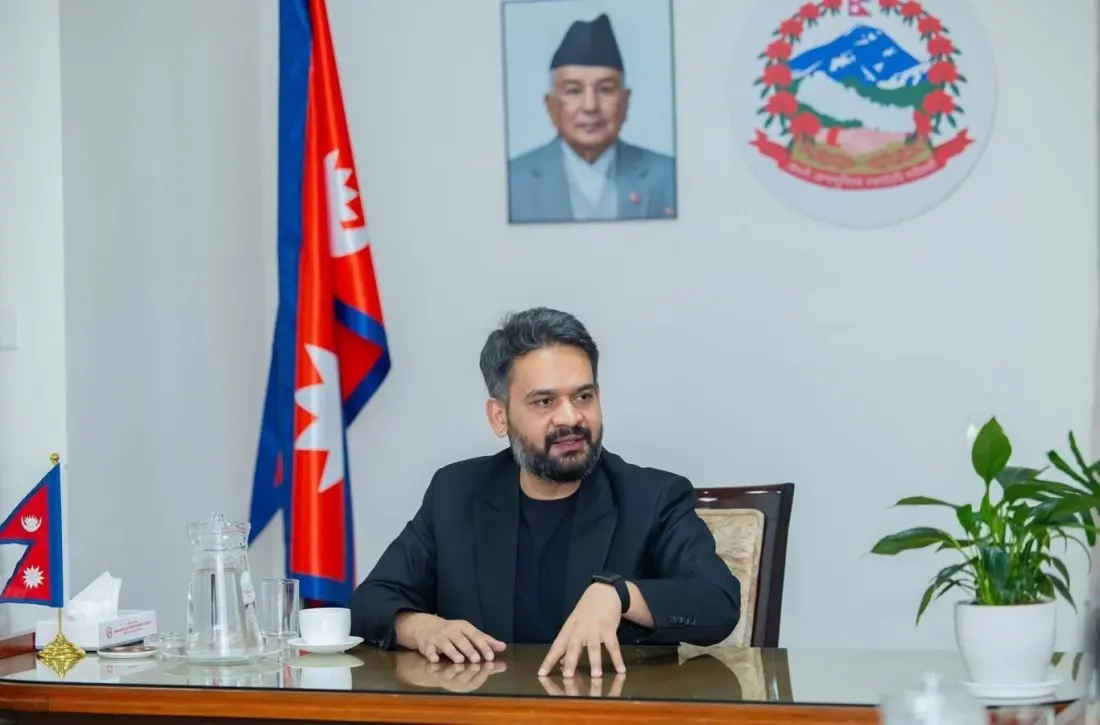
On 24 September, Nepal's Prime Minister Balendra Shah steps up at the United Nations General Assembly for his first foreign trip since taking office — and the timing is loaded. It will be almost exactly a month since the 26 August Bhote Kosi-Trisuli flood, the debris-flow disaster that buried towns, killed residents and dominated global news footage for three weeks before the world's attention drifted elsewhere.
The numbers behind the tragedy are stark. Nepal's damage assessment authority has put the total cost at $4.7 billion, yet the international climate fund it might turn to caps payouts at $20 million and applies narrow criteria for what even counts as a 'climate disaster'. Nepal contributes just 0.1% of global emissions — roughly 0.5 tons of CO2 per person a year, against 15 tons per American — so the government is arguing for climate justice rather than charity.
The science is equally striking. The Himalaya is warming faster than the global average because of 'elevation-dependent warming', and temperatures on the north side of Langtang Lirung hit 5°C at 5,200 metres in the week before the rock-ice collapse — a record for the area. Researchers believe permafrost melt fractured the bedrock under the ice shelf, triggering the slope failure. With thousands of glacial lakes expanding across Nepal and Tibet, scientists warn of larger outburst floods to come.
The column, by veteran editor Kunda Dixit, argues Nepal should skip the victim narrative and lead with its own record: forest cover doubled to 46% of the country in three decades, most electricity comes from hydropower, and three-quarters of new vehicles sold are electric. It also points a finger inward — settlements built on floodplains and a dozen hydropower plants concentrated in a single river basin made the damage far worse than it needed to be.
Why should travellers care? Because the destinations people love are on the front line. Langtang, the Trisuli valley and the trekking routes around them are dealing with the aftermath, and recovery will shape access, safety and infrastructure for months. Nepal is also actively courting the world's sympathy right now — a UN speech that lands well could raise its profile just as the autumn trekking season begins. If you've been putting off a Nepal trip, responsible, well-spent tourism dollars are part of how the country rebuilds; just check local conditions on river valleys and follow trail advisories before committing to routes in affected areas.