A second cyclone of the season has dumped heavy snow across Nepal's high mountains — but this time the disruption was short. Skies cleared quickly, and while small teams on 6,000m and 7,000m peaks are wading through deep fresh snow, the big, well-supported expeditions on Ama Dablam are already back at work.
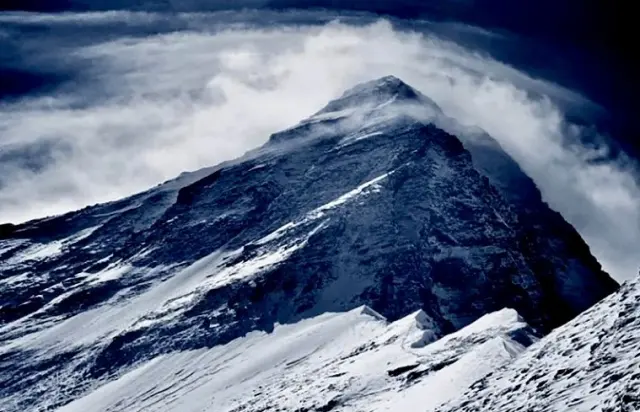
On Everest, a Russian team led by Andrei Vasiliev isn't letting the weather derail its ambitious plan. Vasiliev, along with Sergey Kondrashkin and Vitaly Shipilov, is heading back to the mountain within days to attempt the West Ridge — alone and without supplemental oxygen. Vasiliev admitted the crew has been ill and that huge snowfall has complicated things, but says the route is clear in their minds and they simply need to adapt to the cold and cramped tent life again.
The storm did claim casualties elsewhere, though. On Baruntse (7,129m) in the Khumbu, deep snow stopped teams short — Irish climber Jan McManus abandoned his expedition after failing even to reach Camp 1. Six large teams, 65 foreign climbers in total, held permits for the peak this season.
Himlung (7,126m) tells a more sobering story. Teams rushed to summit and descend before the cyclone arrived, bagging the top on October 25 and 26 before clearing out. The mountain had stayed open despite the late-September storm that triggered a massive avalanche on Base Camp, killing 16 staff members — one of the deadliest accidents in Nepal's mountaineering history. Guided teams kept coming anyway; 130 foreigners held permits this autumn.
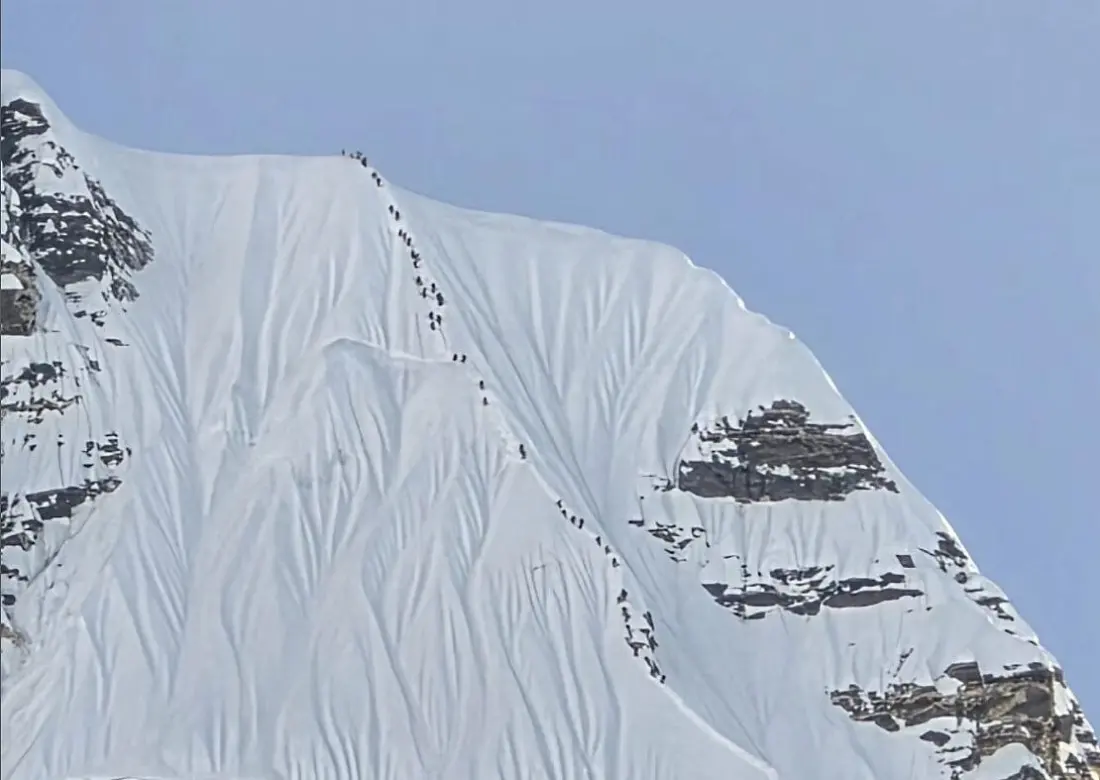
Ama Dablam, the season's commercial darling, is bouncing back fastest. Base Camp is snow-covered, but Sherpa teams from operators like 14 Peaks Expeditions are reopening sections where fresh snow buried the fixed ropes. Around 410 foreign climbers have applied for permits this season, and with the route first fixed on October 17 and dozens already on the summit, climbs should continue through November. German climber Jana Schneider expects her summit push between November 4 and 6.
It hasn't been incident-free: one climber has died on Ama Dablam, and there have been close calls. Australians Paul Clarke and Xenia Santha, climbing without Sherpa support, found a 25-year-old in serious trouble at Camp 2, administered dexamethasone, spent the night with him and helped organise a morning helicopter evacuation — then went on to summit themselves a day later.
For travellers, the takeaway is that Nepal's autumn climbing season is grinding on despite back-to-back cyclones. Trekkers heading to the Khumbu or Everest region should expect deeper snow on high passes, possible route delays and busy rescue logistics, and anyone booking a guided peak should ask operators how they handle weather gaps and rope-fixing crews. Independent climbers on lesser-known 7,000m peaks face the highest risk when storms hit, since they lack the Sherpa infrastructure that keeps commercial teams moving.