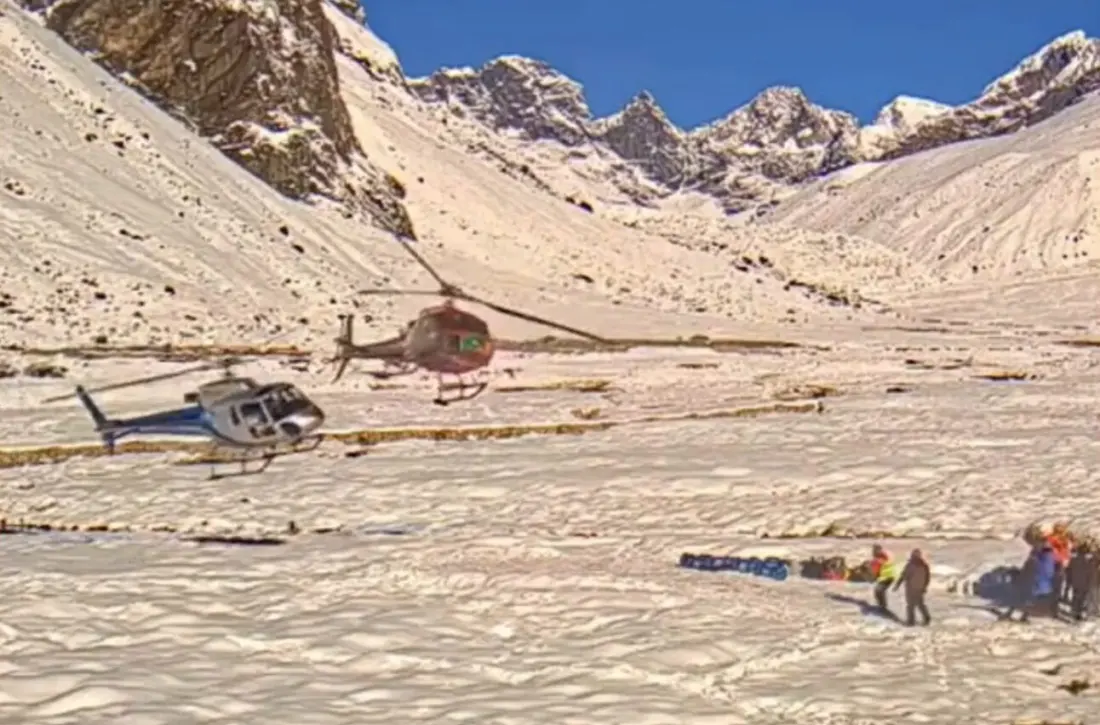
A routine refuelling stop on Nepal's busy Everest helicopter corridor turned fatal this morning, when two helicopters collided on the ground at Pheriche, a small village at 4,371 metres on the trekking route to Everest Base Camp.
The aircraft, operated by Fishtail Air and Air Dynasty — two of Nepal's biggest helicopter companies — approached the helipad from different directions and attempted to land simultaneously. Their rotor blades clipped each other. What makes the accident so startling is the setting: Pheriche's helipad sits in a wide, flat area with good visibility, not a cramped mountain ledge.
Vasanth Kumar, an Indian trekker, died at the scene. Two others on board the Fishtail Air helicopter were seriously hurt: Shailesh Kishan, from New Zealand, and Rabindra Prajapati, a senior captain. Both were airlifted to hospitals in Kathmandu. The Air Dynasty helicopter, which was carrying cargo rather than passengers, was also involved.
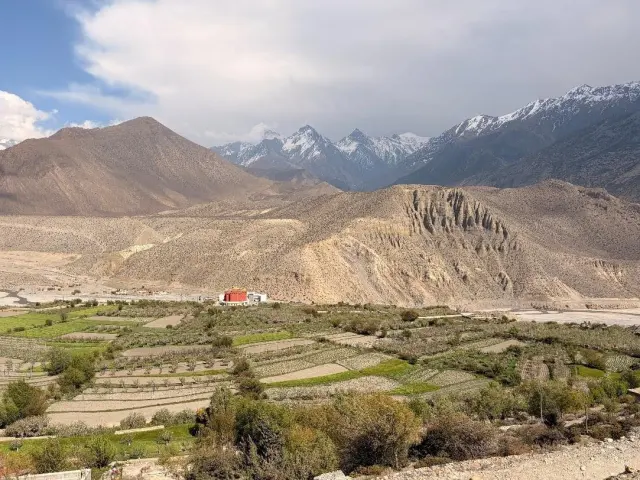
Pheriche is a well-known waypoint for anyone trekking to Everest Base Camp and a standard refuelling stop for the helicopters that shuttle trekkers, supplies and evacuations in and out of the Khumbu valley. Traffic there is heavy, particularly during spring and autumn trekking seasons, when dozens of flights a day funnel through a handful of helipads. Nepal's mountain aviation industry has a long history of accidents, often attributed to challenging terrain, rapidly changing weather and intense scheduling pressure around Everest.
For travellers, the practical takeaway is about how you plan a trip to the Everest region. If you're trekking, you'll likely see — or use — helicopter services at some point, whether for a scenic flight, a baggage transfer or an emergency evacuation out of altitude sickness territory. It's worth checking that any operator you book through has current safety credentials, and knowing that trekking into the region on foot remains a well-trodden, established route that doesn't depend on helicopter logistics.
If you have travel insurance for a Nepal trek, read the helicopter evacuation clause carefully. Most Everest-area policies cover chopper rescue, but insurers typically want documentation from your trekking agency or a medical recommendation before paying out. Confirm your insurer works directly with rescue operators in Kathmandu.
The crash is a sobering reminder of how busy the skies above the world's most famous trek have become — and why the safety record of the operator matters as much as the itinerary.