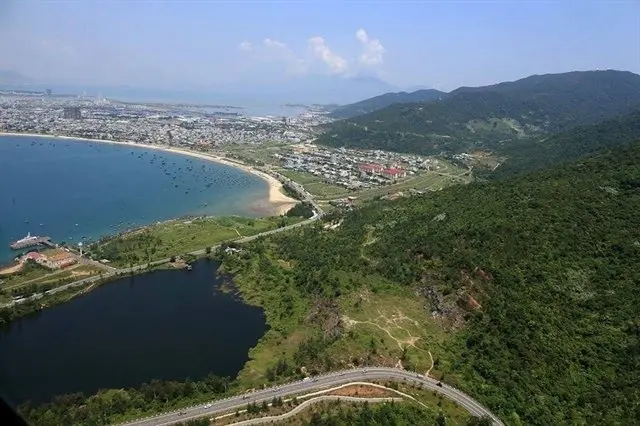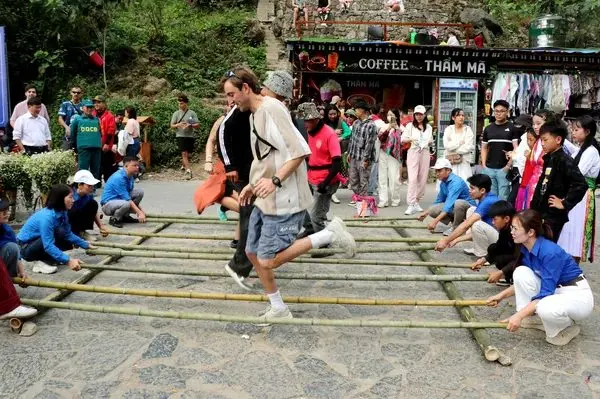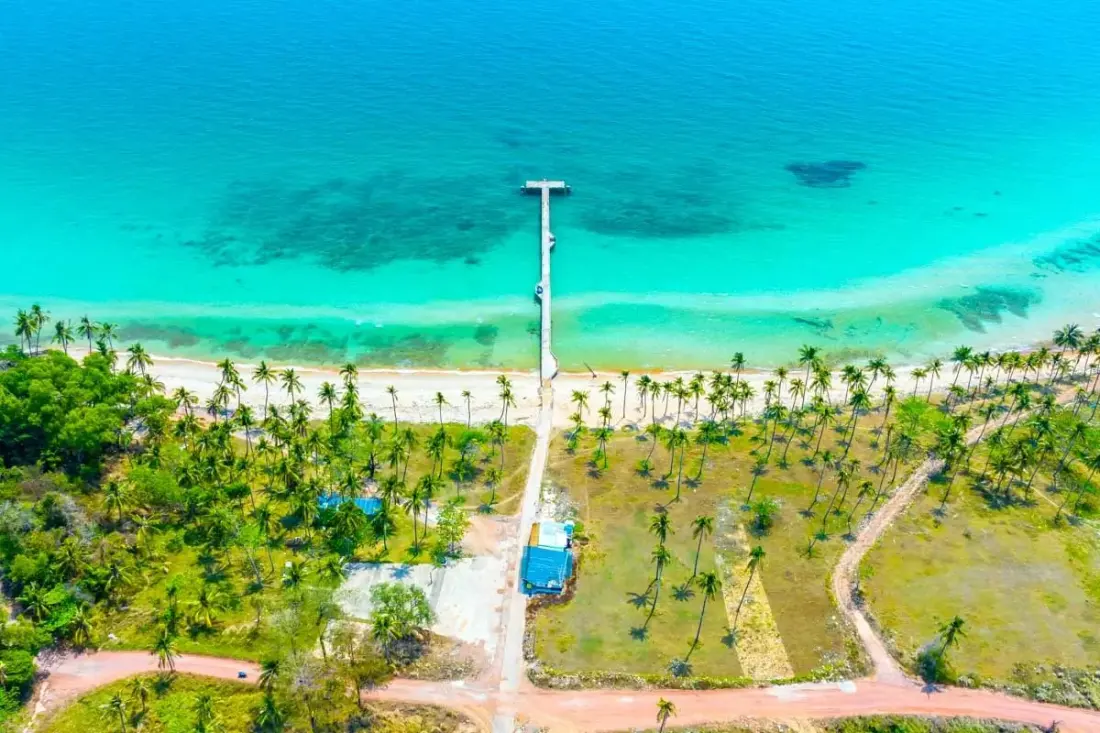
Phu Quoc is best known for its sand, but Vietnam's largest island packs a lot more into its coastline than sunbathing. There are coral reefs offshore, mangrove waterways up north, a safari park, and even a Mediterranean-style town reachable by one of the world's longest sea-crossing cable cars. Here's what's worth your time.
Start with the north, which is far less developed than the south. Guided day trips combine kayaking along the Cua Can River through mangroves with stops in Phu Quoc National Park, Ganh Dau Cape (Cambodia is visible across the water), and Rach Vem fishing village, finishing at Starfish Beach, where bright red starfish sit in the shallows. Look, don't lift — they're living creatures, and guides will tell you off. If paddling isn't your thing, a private vintage US Army Jeep tour covers similar ground, including 90 minutes on rough rainforest tracks, a pepper farm, and lunch at a floating restaurant in Rach Vem.
Underwater is where the island really shines. Small-group snorkelling tours run by speedboat out to the An Thoi archipelago, with guides deliberately skipping the crowded reefs and picking spots based on conditions and visibility. Beginners get a shallow-water practice session first, and the guides swim alongside, pointing out fish while teaching reef-friendly technique.
For something completely unexpected, Vinpearl Safari Phu Quoc in the north houses thousands of animals — giraffes, rhinos, lions, tigers — in open habitats you tour by bus, meaning the people are the ones caged in. Give it half a day, arrive early to beat the heat, and note it closes around 4pm. A tram helps if walking the whole park in the humidity sounds grim.
Down south, a full-day circuit takes in a pearl farm, the clifftop Ho Quoc Pagoda, the sobering Phu Quoc Prison History Museum, white-sand Sao Beach, and the Hon Thom Cable Car over the sea to Hon Thom Island, where Aquatopia Water Park offers more than 20 slides. Back near the south coast, Sunset Town is the island's oddity: a purpose-built Mediterranean-style village built for sunset views, dinner, and photos.
Don't skip the street food — a guided evening tour is the easiest way to work through bánh mì, seafood, and local specialities — or the beaches themselves. Khem Beach has the upscale resort vibe with white sand and turquoise water; Sao Beach is the postcard favourite.
Practicalities are friendlier than you'd expect. Phu Quoc has a visa exemption allowing most international visitors up to 30 days on the island without a visa, as long as they arrive directly from abroad or transit through Vietnam and don't leave the island. Getting around is easy with the Grab app, though drivers are scarce in remote corners, so book ahead. Renting a motorbike is a popular alternative for confident riders.
Timing matters. November to April is the dry season and the sweet spot for beach weather. May to October brings serious tropical downpours, but also fewer crowds and waterfalls at their most dramatic — a fair trade if you can handle the rain.
With three days, a solid plan: snorkelling plus Sao or Khem Beach and Sunset Town on day one, a northern kayaking trip on day two, then cable car or safari followed by a street food crawl on day three.