
Europe's big-hitter islands get the headlines, but a fresh roundup of reader tips makes a strong case for the smaller, stranger and quieter alternatives. From Adriatic vulture territory to a Baltic coral reef you can fossil-hunt, here's where to point your ferry ticket this year.
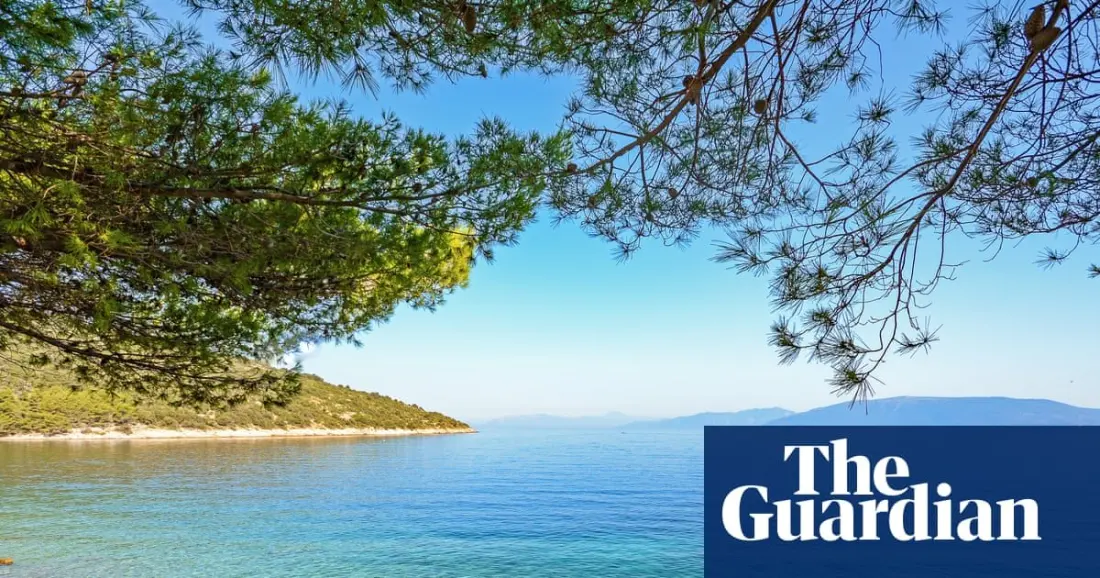
Croatia's Cres, in the northern Kvarner Gulf, is the least populated of the region's four main islands, and griffon vultures soar alongside the bus on the way to its highest point. Expect scrubby heath, olive groves, lavender and sleepy coastal towns where life has carried on much as it did under Venetian rule, all ringed by the clear turquoise water the country is famous for.
Greece has an obvious candidate too: Karpathos, sitting between Rhodes and Crete. It gets none of the package crowds, and the mountain village of Olympos still feels locked in another century, with older women in traditional dress drying makarounes pasta outdoors. Beaches at Apella and Achata come backed by pine-covered slopes, and Hotel Lefkorama does a valley-to-sea view plus a serious breakfast spread.
France contributes the Île de Sein, a one-and-a-half-hour ferry ride from Audierne past the wild currents of the Pointe du Raz. The island barely rises above the waves, is car-free, and can be walked end to end in a couple of hours. Look for cowrie shells on the beaches, climb the lighthouse, and eat crepes at Chez Bruno.
Off Sicily, Lipari is the liveliest pick: the largest of the Aeolian islands, with a castle looming over the town, an excellent archaeological museum, and an evening passeggiata along Corso Vittorio Emanuele II fuelled by cocktails with names like the Volcano. Swim at Papesca or Porticello, where the white rocky seabed makes the water shimmer.
For a proper digital-detox feel, stay overnight on La Graciosa rather than day-tripping from Lanzarote. Sandy, largely traffic-free lanes in Caleta de Sebo, snorkelling, cycling among volcanic peaks and fresh fish in the village make it feel nothing like the Canary resort strips.
Nature fans have options too. Skomer off Pembrokeshire delivers hours of puffin-watching; Valentia Island off County Kerry has a secluded swim spot at Glanleam beach facing the Dingle peninsula; Gotland in Sweden offers Visby's medieval walls, bike rides to Fårö's giant limestone rauks and fossil hunting on what was once a coral reef. Estonia's Saaremaa might be the quirkiest of all: nine meteorite craters at Kaali, formed around 3,500 years ago and once a cult site, with a tiny Meteoritics Museum charging just €2 entry.
The common thread is that none of these require expedition logistics: a short ferry, a bridge or a regional flight gets you there, and they suit travellers who'd rather have a quiet cove than a beach club. Birders, swimmers, hikers and history nerds all have a standout pick here.