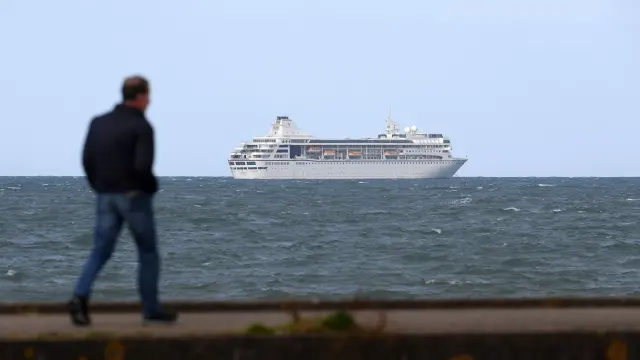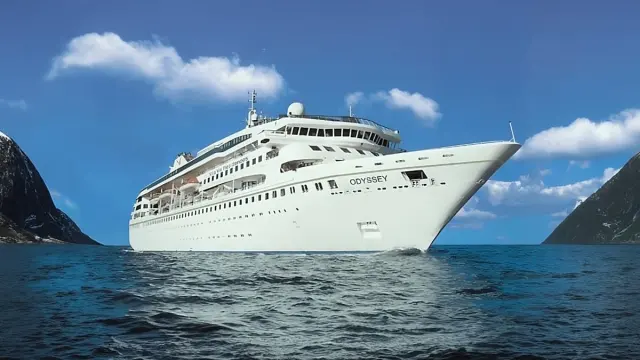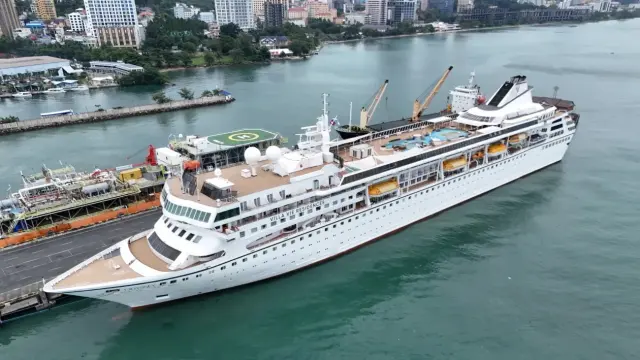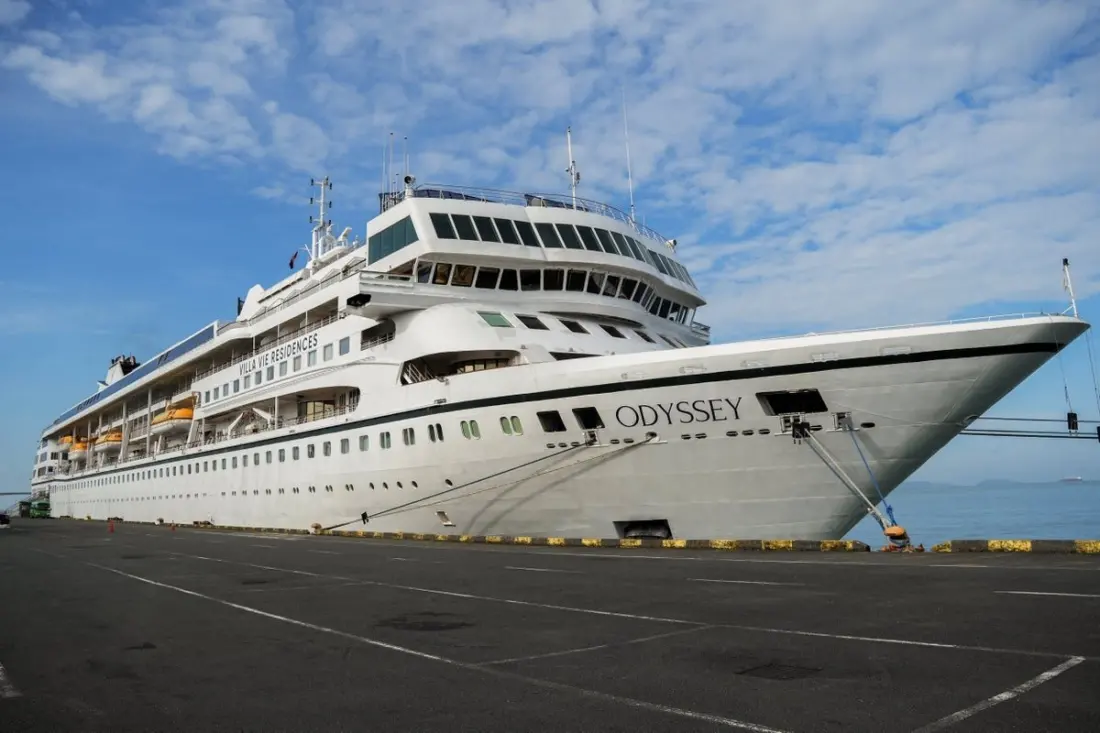
A three-year residential world cruise has come to an abrupt halt in Sihanoukville, Cambodia, where the MV Odyssey ran out of fuel and its operator, Florida-based Villa Vie Residences, suspended operations with almost no warning.
The ship set sail two years ago on an ambitious round-the-world voyage, with cabins sold as homes costing from roughly $230,000 plus monthly fees. Passengers, mostly Americans, paid for a life at sea — some selling businesses or properties to fund it. At its height the Odyssey carried 203 residents and 156 crew, well below its 650-passenger capacity.
The trouble started with fuel. Villa Vie says monthly fuel costs per cabin, which once averaged around $1,800, jumped to $6,000-$8,000 in parts of Asia after the war in Iran disrupted shipping through the Strait of Hormuz, one of the world's key oil routes. Slowing the itinerary and spending more time in port didn't offset the losses, and the company says it could no longer carry them. Instead of raising fees further, it halted operations.
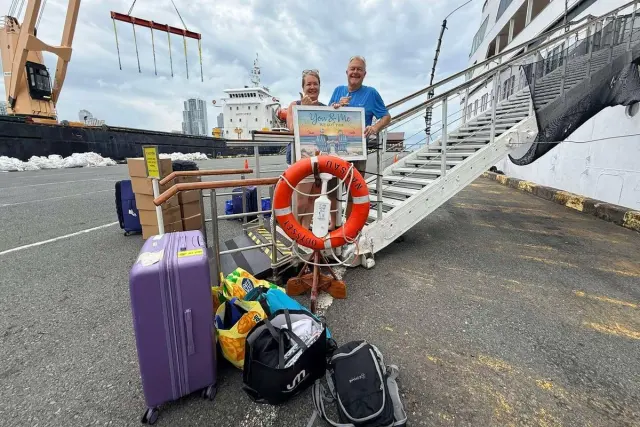
Residents describe a messy ending. Passenger Lynn Montoya says residents were asked every few weeks to chip in extra money for fuel and other expenses, while crew went unpaid. Others were given eight hours' notice — told at 6am to disembark by 2pm the same day. The operator provided shuttles and help unloading luggage, but no hotel coverage, and no date for a possible return to service.
Lanette Canen and Johan Bodin, who documented their voyage on YouTube as Living Life on a Cruise, paid $100,000 for their cabin plus $3,500 in monthly fees. They're now planning a week in Sihanoukville, time in Phnom Penh, then travel through Vietnam, Bali and Thailand, where living costs are lower. Other residents face tougher questions: visas, housing, and flights home — one former resident is even organising a charity charter to San Francisco. For cabin owners, resale looks unlikely, and many expect to lose most of what they invested.
The story is a cautionary tale for anyone tempted by the growing trend of residential cruise ships, which sell apartments at sea with the promise of years of travel. It's a niche lifestyle product, but the risks are real: monthly fees can climb, operators can fail, and your 'home' can be docked in a port halfway across the world with little recourse. Contract terms matter — one ex-resident still legally owns a cabin she can neither rent out nor sell.
For travellers watching from afar, the practical takeaway is simpler: keep an eye on global fuel and shipping disruptions, which are already pushing up costs across Asia itineraries. And if a life-at-sea purchase ever tempts you, ask hard questions about what happens if the operator runs out of money before you run out of ocean.