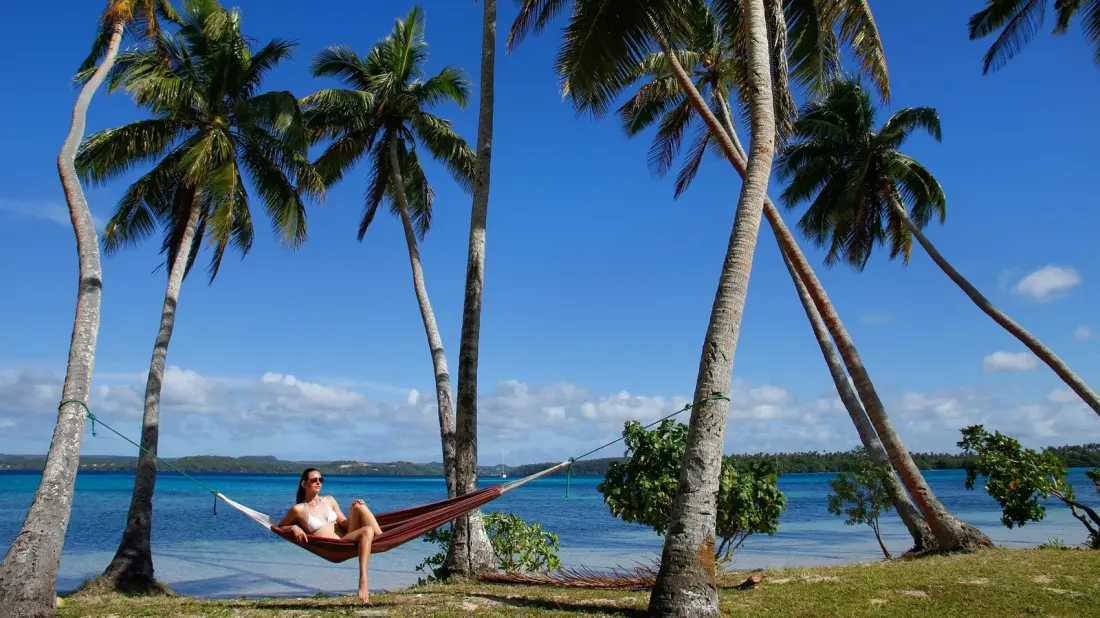
If you want a beach holiday where you'll genuinely have the sand to yourself, Ofu Island in American Samoa is about as far off the beaten path as the United States gets. Roughly 5,000 miles from the mainland and deep in the South Pacific, it's the most remote of the three islands that make up the National Park of American Samoa — the only US national park south of the equator, and one of the least visited in the entire system.
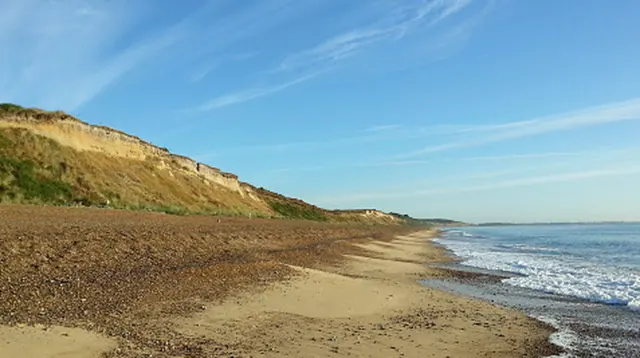
The numbers tell the story. The park as a whole sees only about 12,000 visitors a year, most of whom stay on the main island of Tutuila. Ofu itself draws an estimated fewer than 100 travellers annually, and only around 40 people actually live there. Its headline attraction is Ofu Beach, a 2.5-mile stretch of white sand backed by two volcanic peaks — and with so few arrivals, chances are you'll be the only one on it. After dark, near-zero light pollution makes for exceptional stargazing.
There's plenty to fill a week beyond the beach. Between August and November, southern humpback whales and their calves migrate through the surrounding waters. The reefs off Ofu are pristine and among the clearest you'll find anywhere, making snorkelling the island's signature activity. Hikers can climb Tumu Mountain, a demanding 6-mile round trip taking around four hours, with sweeping views over the coastline — though reviews on AllTrails warn the trail is poorly maintained, so go prepared. Fishing is possible too, but only with special permission from the local mayor.
A few things set American Samoa apart from a typical Pacific getaway. Despite being a US territory, you need a valid passport to enter. Land ownership remains with the Samoan people: the National Park Service leases its section under a 50-year agreement signed in 1988, and land outside the park is communally owned by locals.
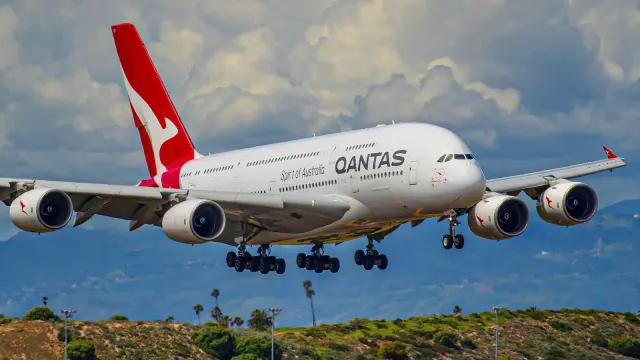
Getting there takes commitment. The route runs via Hawaii, where Hawaiian Airlines operates the only commercial flights into Pago Pago International Airport on Tutuila. From there, you'll transfer to a Samoa Airways flight or arrange a boat to Ofu. The isolation comes with real risks: there's no medical care on the island, and an emergency response could take days. The National Park Service urges visitors to carry a well-stocked first-aid kit and stay within their limits.
Accommodation is a one-horse town. Vaoto Lodge, near the beach and walkable from the airport, is the island's only place to stay, with simple rooms around $165 a night including WiFi. There are no restaurants, but guests can use a communal kitchen — bring supplies and plan meals ahead. Camping isn't allowed anywhere on the island, and options are scarce across the whole territory, so book well in advance.
For self-sufficient travellers who value solitude over resorts, whale song over waterparks and reef over room service, Ofu is a rare thing: an American tropical paradise that mass tourism simply never reached. The dry, cooler months of May to October are the window to aim for.