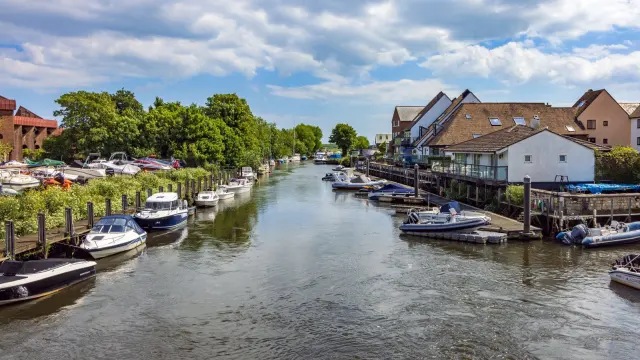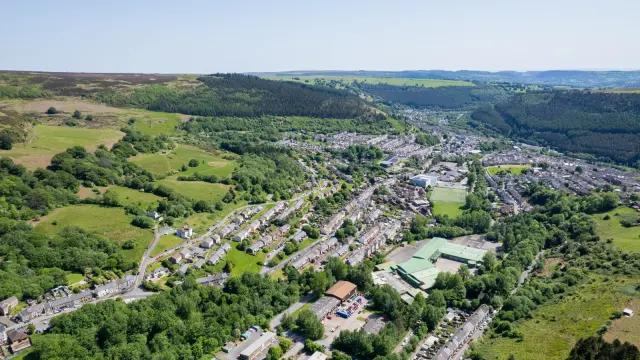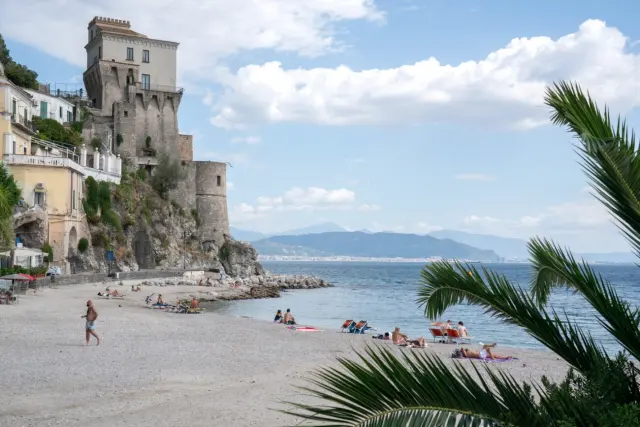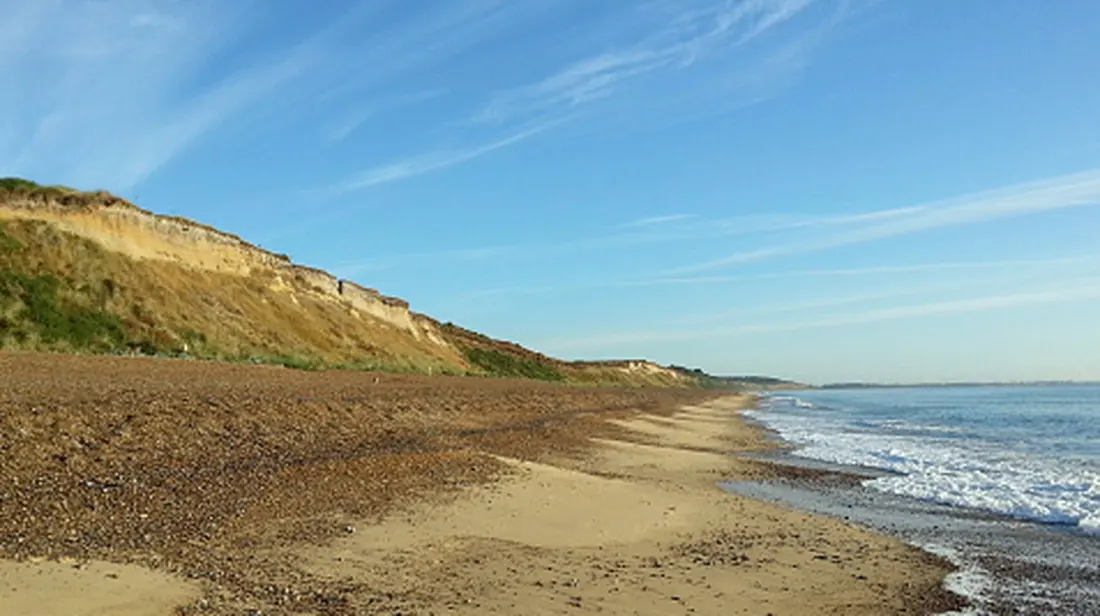
Half of England's lost city is underwater — and you can walk right above it. Dunwich, a small village on the Suffolk coast about 115 miles northeast of London, was once a bustling medieval port the size of the City of London. Today its churches, friaries and harbour buildings lie just 10 to 30 feet beneath the waves, within a mile of shore, earning it the nickname 'Britain's very own Atlantis'.
The town didn't vanish overnight. A Saxon trading settlement grew into a major medieval centre for North Sea fishing, trade and shipbuilding, complete with churches, chapels and hospitals by the early 1200s. But repeated storms and storm surges in the 13th and 14th centuries wrecked the harbour and chewed away the coastline — the town sat on low-lying flood-prone ground and erodible sand. As the sea advanced, trade moved elsewhere, half the town was gone by the late 1500s, and the last medieval church didn't fall until the early 1900s.
There's real archaeology under that silt. Researchers, building on work by the University of Southampton, have combined historic maps with sonar, magnetometer and geophysical surveys to map churches, windmills, friaries and port structures on the seabed. Legend adds atmosphere: locals say stormy weather stirs the drowned church bells, ringing ashore from the lost city.
On land, the highlights are compact. The ruins of the 13th-century Greyfriars friary — rebuilt after its predecessor was swept away — now stand alarmingly close to the cliff edge despite being half a mile inland when built. The 12th-century chapel of St James' Hospital, once a leper hospital, also survives. The small Dunwich Museum, open April to October, covers the town's story from Roman times and sells Historic Trail maps for self-guided walks.
For outdoor time, Dunwich Heath and Beach, a National Trust site, offers wide, undeveloped North Sea views, a pebbly sand-mixed beach, dog-friendly walking, a cafe and generous free parking. Note it was closed at the time of writing after a July wildfire, so check ahead. Add Dunwich Forest for trails through woodland and marsh, plus the village's pub, tearooms and campground.
What makes Dunwich special among England's ghost towns is that the 'missing' part isn't derelict streets — it's the sea itself, hiding a whole medieval town. It's uncrowded, wildly scenic, and pairs neatly with other quirky stops along the Suffolk Coast. If you're hooked on sunken settlements, Walton-on-the-Naze, 50 miles south, shows similar erosion scars, and in dry summers the drowned village of Mardale Green under Haweswater reservoir in the northwest sometimes re-emerges.