
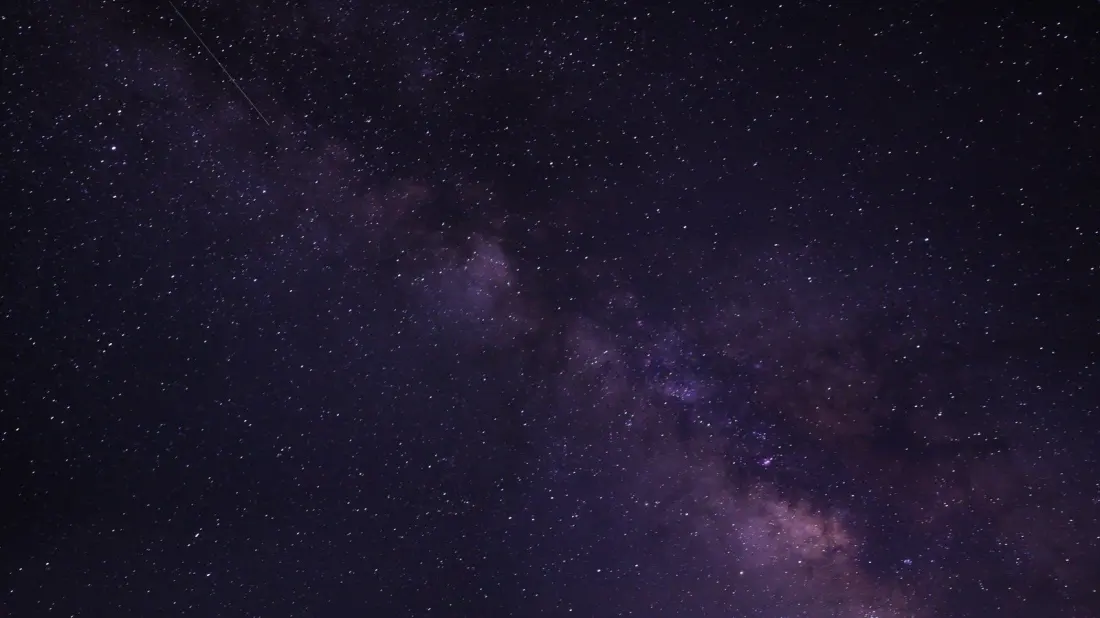
Roughly 2.5 million acres of southeastern Oregon high desert have been certified as the Oregon Outback International Dark Sky Sanctuary — the largest such sanctuary on the planet, with plans to grow it to 11.4 million acres. Located in Eastern Lake County, an area so remote and thinly populated that locals call it the 'Oregon Outback', it's one of just 24 Dark Sky Sanctuaries worldwide. These are the most remote and darkest of the five certification types awarded by DarkSky International, the nonprofit that maps and protects the last truly dark places on Earth.
Why does that matter? Because genuinely dark skies are vanishing. An estimated 99% of people in the United States live under light pollution, and roughly a third of humanity can no longer see the Milky Way at all. Here, it stretches unobstructed across the desert sky — along with shooting stars, constellations, and whatever astronomical events happen to be scheduled during your visit.
The sanctuary works as a weekend basecamp for a slower kind of trip. Daytime is for camping, wildlife viewing, and photography across the open high desert; night belongs to the stars. DarkSky International also makes a wellness case: research suggests artificial light after dark disrupts sleep hormones, shifts our internal clocks, and may contribute to chronic health problems, so a few nights under a natural dark cycle may genuinely help you rest.
Getting there takes commitment. The closest airport is Redmond Municipal, about a two-hour drive away; Portland International is roughly four and a half hours. Either way you'll need a rental car, ideally with four-wheel drive — budget around $100 a day for something off-road capable. Fuel up, stock supplies, and download offline maps, because cell reception is patchy at best.
Lodging skews rustic. Bureau of Land Management and National Forest Service land offer camping in and around the sanctuary, sometimes free of charge, and the Summer Lake Wildlife Area has sites too. If you'd rather not rough it, Summer Lake Hot Springs in nearby Paisley has twelve cabins and houses plus campsites and RV spots, with rates starting around $140 a night — and the bonus of a daytime soak in the hot springs before an evening of stargazing.
Timing is everything. Plan around the New Moon and the days either side of it, when skies are at their darkest and stars at their brightest. Summer and early autumn are the most comfortable seasons, though the high desert cools sharply after sunset, so pack warm layers even in July. For anyone tired of city glow, this is one of the most accessible routes to a sky full of stars the U.S. can offer.