Colombia has quietly rewired the legal basis for how it deals with armed groups, and while it might sound like dry legislative news, it has real consequences for anyone planning a trip to the country's more remote corners.
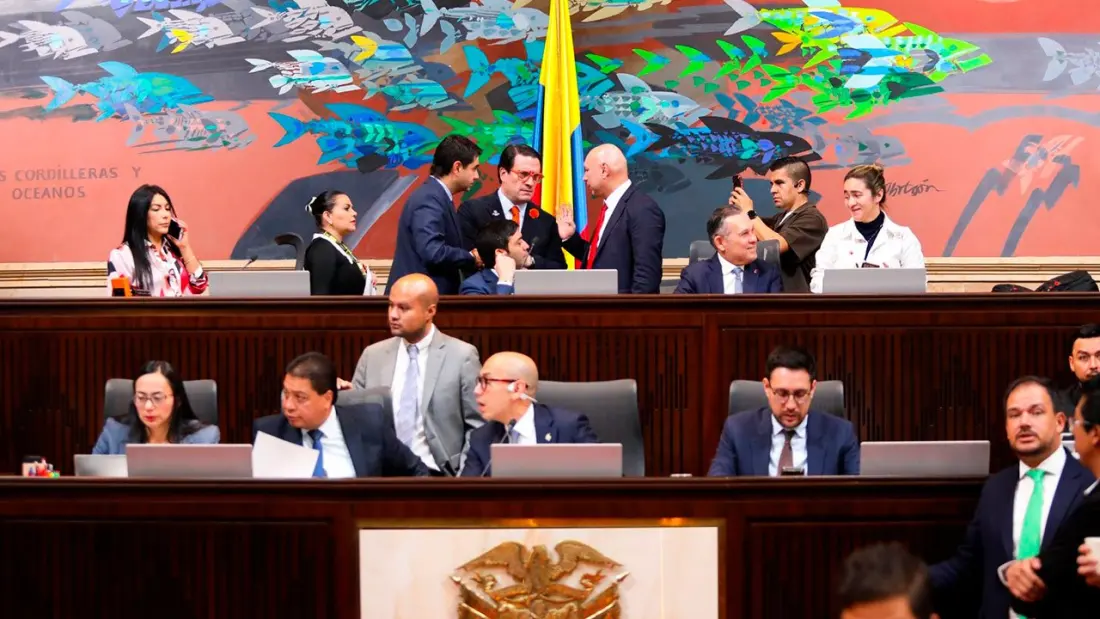
The new law, passed through Colombia's Chamber of Representatives 90 votes to 44 and ratified by President Abelardo de la Espriella, replaces the 1997 Public Order Law, which expired the same day. That older framework allowed the government to hold peace negotiations with armed organisations — the very mechanism that underpinned the landmark 2016 deal with the FARC, which brought thousands of fighters in from the field.
The 'Submission Act' takes a different route entirely. Armed groups are no longer treated as political actors at all, but as criminal organisations. That means no more negotiated peace deals — ever. Instead, the law offers incentives for individual members to surrender: low-ranking members can see sentences cut by up to 50%, and commanders by up to 30%. Anyone involved in recruiting child soldiers gets nothing.
President de la Espriella, a former criminal defence attorney who won office on a hardline law-and-order ticket, framed the change as the end of what he called the "fake total peace" — a pointed dig at his predecessor Gustavo Petro, whose strategy of negotiating with armed groups produced limited results.
So why should a traveller care? Colombia has around 25 to 30 active armed groups by most counts, including FARC dissidents, the ELN and various criminal gangs, and they still control or influence substantial rural territory — the Catatumbo region near the Venezuelan border, parts of the Pacific coast like Chocó, and the Darién Gap towards Panama. Areas popular with visitors — Bogotá, Medellín, Cartagena, the coffee region, Tayrona — are a different story and operate normally, but the security map matters for anyone venturing off the gringo trail for birdwatching, hiking or river trips.
A government that refuses to negotiate may fight harder in exactly those regions, which can mean temporary road closures, restricted access to national parks, or sudden no-go advisories in conflict-affected departments. On the flip side, the government's bet is that incentivised surrenders will shrink the threat over time. Either way, the practical advice stays the same: check current advisories before travelling outside the main tourist corridors, follow local guidance, and keep plans flexible if you're heading somewhere the state's presence is thin. This is a story to watch, not a reason to cancel — but it will shape how safe — or complicated — Colombia's wilder destinations feel over the next few years.