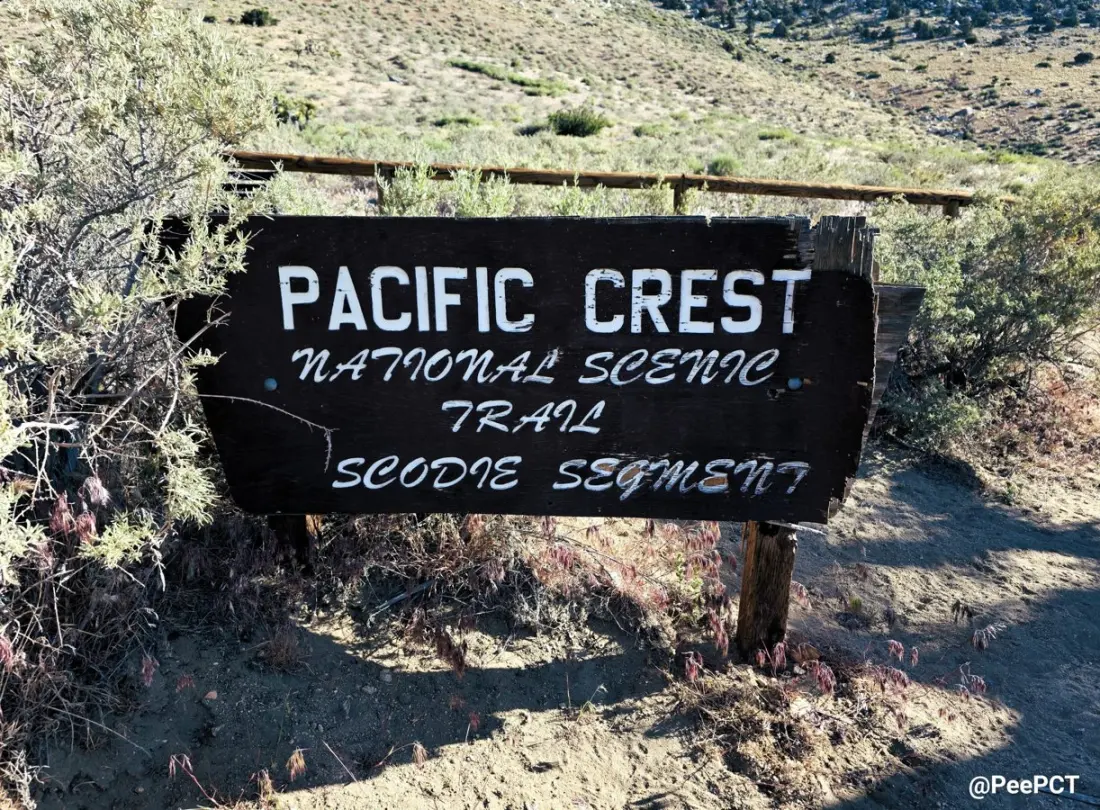
A long-distance hiker writing as "Yogi" has shared a vivid multi-day account from mile 609 to 645 of the Pacific Crest Trail — the dry stretch of southern California desert between Tehachapi and Walker Pass, just before the Sierra Nevada. It's a candid window into what thru-hiking actually feels like: slow mornings, heavy heat, and the kindness of strangers.
Day 50 starts with cold oatmeal-by-the-stream simplicity and a late 10 a.m. start that the hiker immediately regrets as the desert warms up. The route drops 1,400 feet to Kelso Valley Road, where a fence lined with roughly fifteen sun-baked five-gallon water jugs marks one of the many informal caches that keep this water-scarce section passable. Waiting out the heat, the hiker scores an unexpected trail-magic haul from a passing SUV crew — two peanut butter and jelly sandwiches, trail mix, an apple and a hard-boiled egg — before pushing on for fifteen exposed miles with 3.75 litres of water.
The following days build a rhythm familiar to any PCT hiker: a 4:30 a.m. start to cover ground by moonlight, a stop at Bird Spring Pass Trailhead where caches originally established by the well-known hiker Devilfish are now kept stocked by local trail angels Mike and Terry, and a 21-mile day ending at McIver's Cabin and Spring. Wildflowers in purple, white and yellow dot the sandy hillsides, and distant helicopters hint that fire season has begun early.
The stretch wraps with a zero-ish day in Ridgecrest, reached via a classic PCT combo: a hitch with four hikers crammed into one SUV back seat, then a ride from Lilliana, a restaurant server who volunteered when no rideshare could be found. In town, a host known as Nobody cooks spaghetti and a breakfast of poached eggs and homestyle potatoes, while local trail angel Sandy supplies gear — including carbon tent stakes salvaged from a hiker box.
Why does this matter to a traveller? Even if you'll never hike 2,650 miles, this section shows how the PCT works as a system: water caches maintained by volunteers, trail angels offering rides, food and beds in towns like Ridgecrest, and hiker boxes where discarded gear finds second lives. It's also a realistic preview for anyone considering a section hike — southern California's desert demands early starts, careful water math and tolerance for heat, in exchange for Joshua trees, wildflowers and a surprisingly warm community. Ridgecrest itself makes a practical resupply base, with hiker-friendly restaurants, a post office and a reputation for welcoming dusty walkers.