Two back-to-back flood events in southwest Colorado have left the southern terminus of the Colorado Trail badly damaged, according to unconfirmed footage circulating on social media in recent weeks.
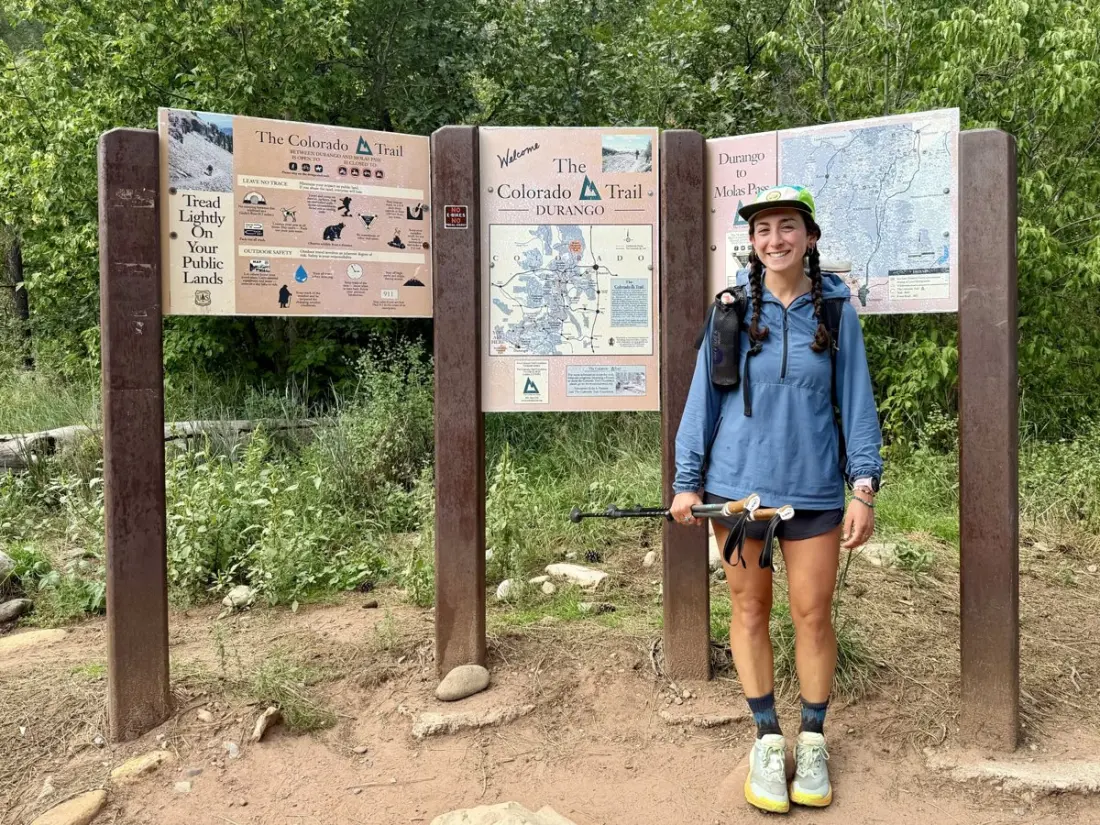
The Junction Creek trailhead, which marks the start or finish of the 485-mile Colorado Trail, has been substantially washed out. The iconic sign where thru-hikers traditionally begin and end their journeys once sat in a wide, flat area well back from the creek; videos now show it perched at the edge of a heavily eroded wash. A separate unconfirmed report on Facebook claims the Colorado Trail bridge over Junction Creek, on the route toward Gudy's Rest, has been destroyed entirely.
The damage extends well beyond the trail itself. Footage from Colorado Parks and Wildlife Durango shows a 20-foot waterfall where a stretch of Junction Creek Road used to be — the road being the main access route to both the trailhead and the nearby residential community. Locals have described losing possessions to the floodwaters and are still searching for them.
Official assessments are limited for now. Both San Juan National Forest, which contains the terminus, and the Colorado Trail Foundation say they cannot evaluate the damage until floodwaters recede and conditions are safe. The US Forest Service's current condition report for the Junction Creek Trail notes huge rocks and heavy debris blocking the trail just half a mile from the lower trailhead.
Travel to the flood-damaged area is being strongly discouraged. San Juan National Forest warned on Facebook that record flooding has left roads, trails and infrastructure inaccessible, severely damaged and often impassable, adding bluntly that rescue will not be readily available because search and rescue teams are already stretched across affected communities. The Colorado Trail Foundation echoed the concern, saying its focus is on the families and communities hit by the flooding rather than on assessing trail damage, and urged support for southwestern Colorado's recovery.
For hikers planning a Colorado Trail thru-hike or section hike this season, the practical takeaway is to hold off on any plans involving the Durango end until the Colorado Trail Foundation and US Forest Service publish formal assessments. Even beyond this incident, early-season conditions in the region can shift fast — check current trail reports and local road status before setting out. For everyone else, the story is a reminder that flood damage in mountain terrain often leaves access roads and rescue services in worse shape than the trails themselves, so respecting closures matters well after the water goes down.