If you're planning a trip to Corcovado National Park, arguably Costa Rica's wildest corner, the rules of entry have just shifted under your feet — and the story behind the new numbers is messier than any park brochure will tell you.
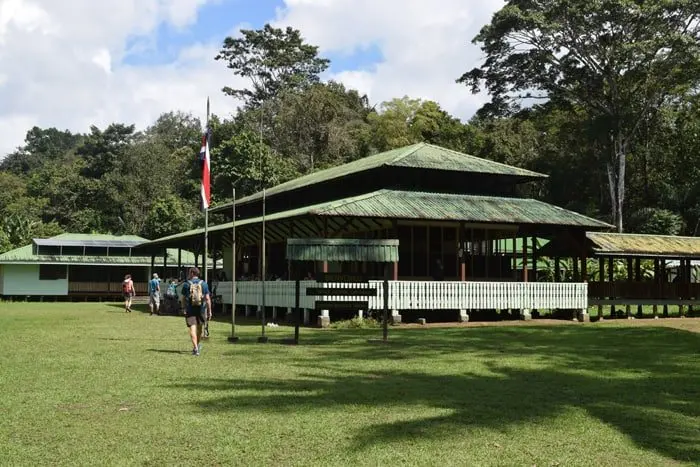
Sirena, the park's flagship sector and the best bet for spotting tapirs, scarlet macaws and (with luck) jaguars, has spent five months as the centre of a genuine tug of war. In June, technical reports revealed its wastewater treatment plant had apparently been discharging sewage into a creek feeding the Sirena River since at least 2024. The acting head of the Osa Conservation Area, Juan José Jiménez Espinoza, responded by slashing the daily cap from the historical limit of 100 visitors to 150 total (then effectively lower), citing the pollution and a 2025 Constitutional Chamber ruling that had already struck down a 2023 capacity increase for lacking any scientific basis.
The backlash was immediate. Tourism operators on the Osa Peninsula blocked roads in Uvita, and the very next day the minister moved Jiménez to a desk job at national headquarters. His replacement promptly raised the cap to 225 — while the treatment plant was still out of service — and a September resolution lifted it again to 366 a day: 230 day visitors, 105 overnight guests, 16 places reserved for a local community association and 15 for park staff. That's more than triple the long-standing technical limit.
Here's why travellers should care: the expansion lands just before high season, when small expedition cruise ships start calling along the Osa coast. Critics suspect cruise operators will snap up big blocks of the day-visitor slots, since park entry is reserved in advance and day-trippers arrive by tender, walk a few hours, and sleep back on the ship. Independent travellers staying in Drake Bay or Puerto Jiménez — the ones hiring local guides, boat captains and restaurant tables — could find Sirena fully booked. There's precedent: the legal challenge that triggered the court ruling alleged 100 daily places at San Pedrillo had been reserved exclusively for cruise passengers. SINAC says no cruise allotment exists at Sirena and frames 366 as a restoration of capacity after health ministry orders were met, aided by community volunteers who pitched in labour and money. Conservationists counter that the same resolution asking the court for more time on the science-based rules doesn't inspire confidence.
Practical takeaway: book Sirena well ahead for the December-to-April dry season, and consider basing yourself overnight in the park or at a lodge near Drake Bay or Puerto Jiménez rather than a same-day boat trip — those stays are where the allocation is thinner and the experience better. Note that Sirena, El Tigre and Los Patos close every October for maintenance and heavy rain. Park investment remains a live issue too: SINAC has requested roughly $5.8 million from a rural development agency to overhaul the station. Whether 366 is science or pressure is now with Costa Rica's Constitutional Chamber — and for visitors, it determines how easy it'll be to get into one of the most biologically intense places on Earth.
Reporting by The Tico Times.