The Antalya Ocean and Seas Compact, released by Turkey's COP31 presidency this week, is being hailed as a victory for Pacific diplomats who spent months arguing that the ocean deserves a central spot in climate negotiations, not a footnote.
The document grew out of pre-COP meetings hosted by Tuvalu and Fiji, and it treats the ocean-climate link as a core pillar of climate action. It flags marine pollution, ocean warming, acidification, falling oxygen levels, biodiversity loss and sea-level rise as connected threats to food security and coastal livelihoods, with a particular eye on small island states. It backs the 30x30 goal of protecting at least 30 percent of coastal and marine areas by 2030, calls for restoring mangroves, seagrass, wetlands and coral reefs, and nudges countries to bake ocean action into their national climate plans.
Money is the sticking point it names openly: only a small slice of global climate finance reaches ocean projects, and the Compact presses lenders and development partners to simplify grants and concessional funding. Kevin Chand, a Pacific ocean policy director at Pristine Seas, noted the timing matters because El Niño is already driving drought and erratic cyclone patterns across the region.
Whether any of this survives the wider summit is another question. With nearly 200 countries negotiating a final text, COP31 has exposed familiar splits: dozens of nations want the next IPCC science reports published before the 2028 global stocktake, while Saudi Arabia and India favour delaying them to 2029. Climate-vulnerable blocs representing some 80 countries are demanding faster, easier finance for adaptation — Fiji's minister Lynda Tabuya put it bluntly, saying Pacific nations are sinking and fighting harder for funds as richer countries pull back. Panama's delegate didn't mince words either, accusing some delegacies of "hot air" while blocking progress. Talks are due to wrap Friday.
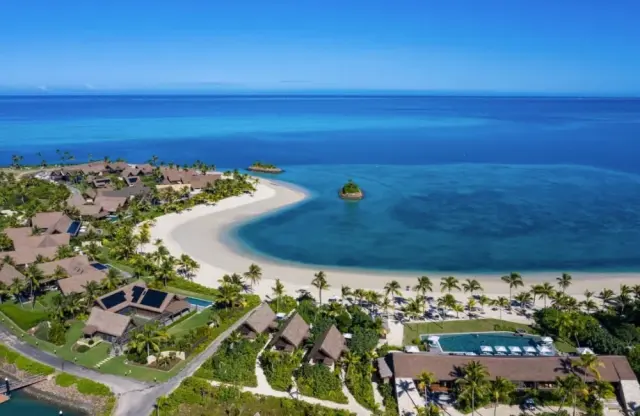
For travellers, this matters in practical ways: Fiji, Tuvalu and their neighbours are destinations whose beaches, reefs and dive sites sit squarely inside the ecosystems the Compact aims to fund and protect. Real money for reef restoration and coastal resilience would protect exactly the coral gardens and lagoons people cross the world to see — and the communities whose livelihoods depend on visitors. Watch whether the finance pledges stick; that determines what the Pacific looks like in a decade. Source: Islands Business.