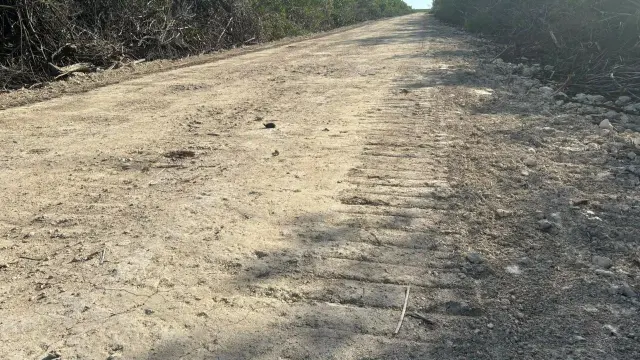
Fiji has put the whole country under a state of disaster. Prime Minister Sitiveni Rabuka made the announcement in a national address on November 18, after the National Disaster Risk Management Council warned that an El Niño-driven drought has hit crisis levels. The declaration, made under Section 91 of the National Disaster Risk Management Act 2024, runs for up to 30 days.
The scale of the response is significant. The government has redirected FJD 20 million from existing ministry budgets towards emergency water supplies, community support and help for farmers and livestock owners. More than 2 million litres of drinking water have already been shipped out to maritime communities in the past month, and the Water Authority of Fiji is running carting operations on the main islands too. Six agricultural assistance schemes are now in place, and monthly transport subsidies have been increased for seniors and people with disabilities.
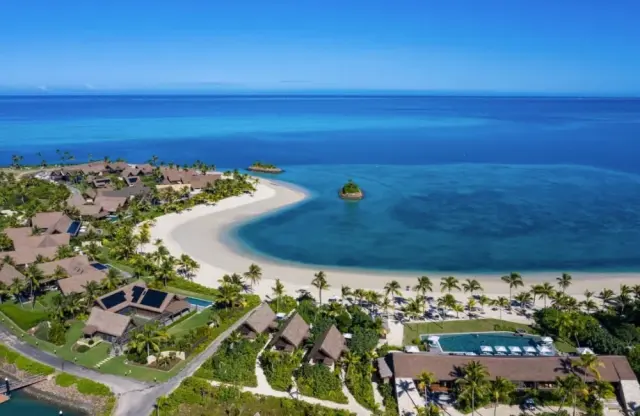
Travellers should pay attention because tourism is one of Fiji's economic pillars and it is directly in the drought's path. The Ministry of Tourism and Civil Aviation has asked hotels and resorts to conserve water and restrict it to essential needs. Operators are also filling in a drought impact and vulnerability survey so authorities can map water availability, spot the businesses worst hit and flag risks to visitor safety. If you have a trip booked, expect your resort to be running tighter water measures — shorter showers, possibly rationed pools or laundry services — especially at smaller or offshore properties.
The science behind it is straightforward. El Niño warms sea surface temperatures in the tropical Pacific, and in Fiji it usually means below-average rainfall, hotter days and long dry spells. Regional forecasters say this event is strengthening and expect reduced rain across much of the Pacific into early 2027, with Fiji, Tonga, Vanuatu, the Solomon Islands and parts of Papua New Guinea all facing elevated drought risk. Guam and the Northern Mariana Islands are drying out too, while Kiribati and Naoero are forecast to get above-normal rain.
So what does this mean for a holiday? Fiji is very much still open — the declaration is about water management, not access restrictions or closed airports. But remote and maritime communities are struggling most with safe drinking water, and the resorts that depend on local supplies feel that pressure first. Anyone planning a trip in the coming months should pick established operators with robust water infrastructure, ask directly how the property is managing shortages, and travel with a conservation mindset. That's the same message Rabuka gave his own citizens: use resources responsibly, report shortages early, and don't burn off unnecessary fires during the dry spell.
Story reported by Pacific Island Times.