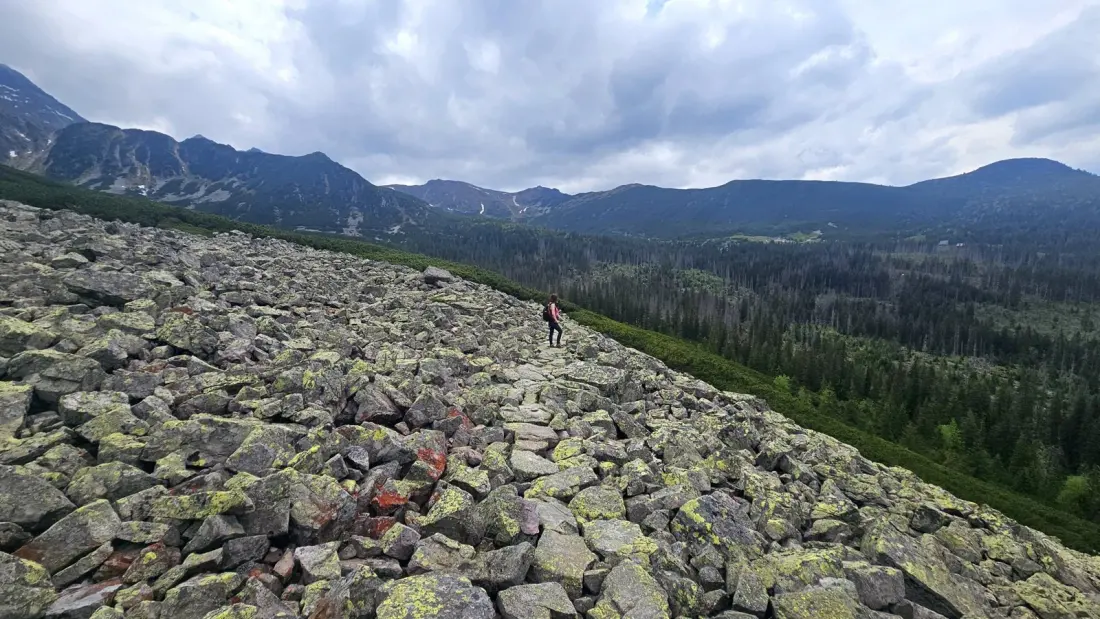
Anyone who has hiked above the treeline knows the feeling: you've bagged the summit, and now a vast slope of loose rock stands between you and the trailhead. Scree and talus — accumulations of broken stone that collect on mountainsides — are among the most awkward terrain a hiker can face, and descents are where most mishaps happen. Two American mountain guides have shared their advice for making the trip down faster, safer, and occasionally genuinely fun.
Ian McEleney, an AMGA-certified alpine guide in California's Eastern Sierra, and Jason Martin, executive director of the American Alpine Institute, both start with gear. Ankle gaiters keep the mountain out of your shoes; trail runners work fine in summer, though a stiffer approach shoe or light mountaineering boot kicks steps into loose material more easily. Trekking poles are the real MVP — lengthen adjustable ones slightly for descents, or rest your palms on top of fixed-length poles to use them like canes.
Technique matters more than kit. On soft, deep scree, McEleney recommends the plunge step, borrowed from snow travel: lead with your heel, toes lifted, knee soft, and let your foot sink into the slope rather than skating across it. Keep your weight slightly back so a slip means landing on your backside, not tumbling headfirst. The counterintuitive group tip: stay close. A rock dislodged by someone above you accelerates as it travels, so guides keep parties "conversationally close" rather than spread out.
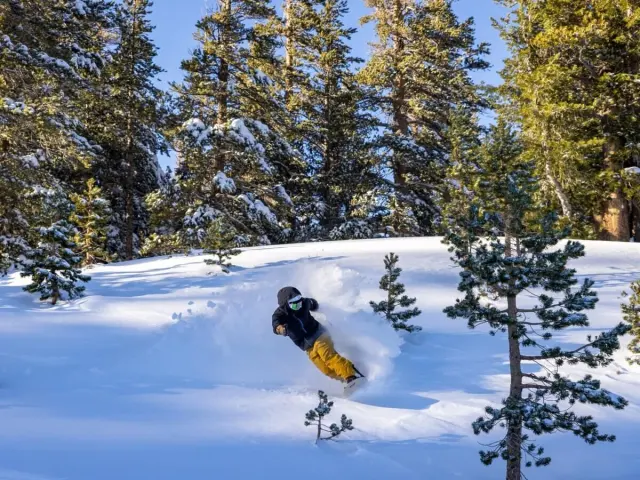
For the adventurous, there's scree surfing — deliberately riding the moving slope like a skier. The conditions have to be right: fine, deep material, a safe runout, and nobody below. McEleney treats the first 50 to 100 feet as an information-gathering phase, adopting a shoulder-width, athletic stance with one foot ahead of the other. Not everyone is a fan — Martin says he never feels in control scree skiing — and tired legs or a heavy pack are good reasons to pick your way down conservatively instead.
On the way up, rushing is a mistake. Link stable patches of bigger rock, switchback where there's no trail to protect vegetation, and use existing tracks where previous hikers have compressed the surface. Sometimes the smartest route simply minimises time on the scree altogether.
For holidaymakers eyeing alpine trips — think the Dolomites, the Sierra, the Alps — these skills turn dreaded descents into a highlight rather than a hazard.