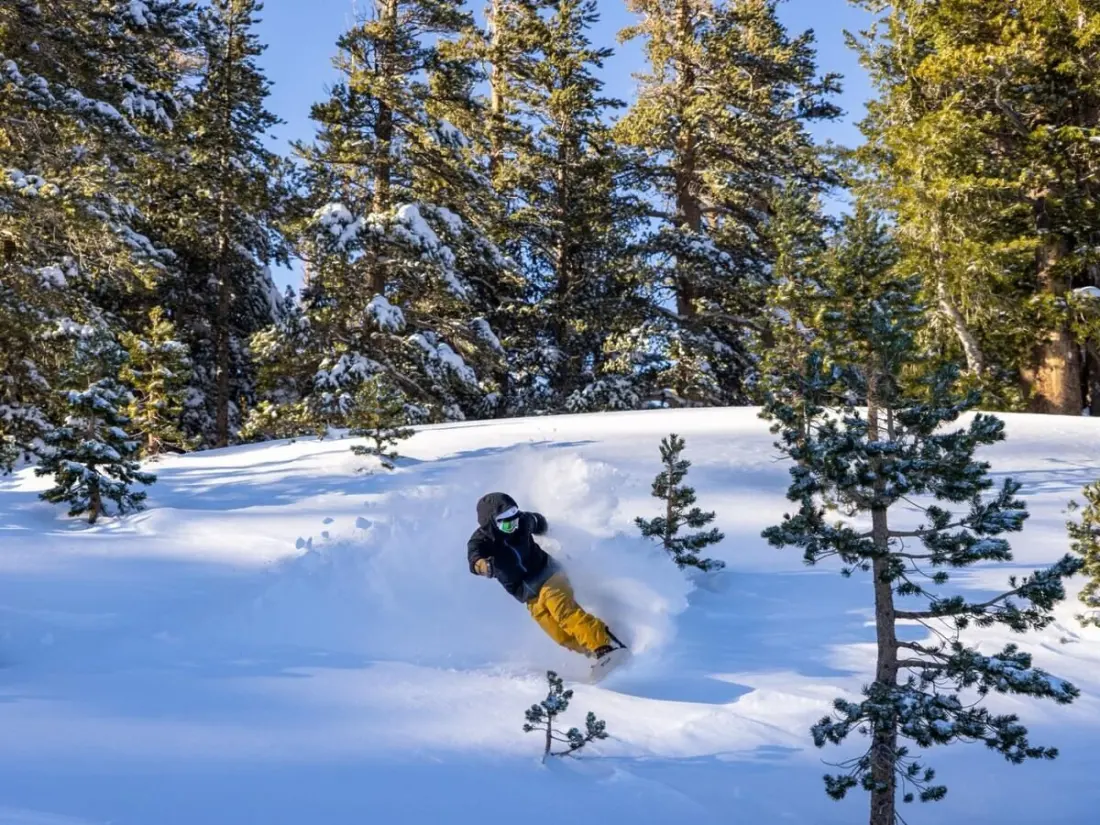
A British ski travel company with nearly a century of packaged trips under its belt has crunched the numbers on one question serious skiers actually care about: which resorts deliver dependable snow, season after season? The answer isn't in the Alps, or even in Colorado. It's Mammoth Mountain in California, which scored 93.9 out of 100 on Inghams' new "Reliable Ski Score."
The ranking arrived hot on the heels of the 2026 World Ski Awards in early November, which gave only a handful of nods to North American resorts. But where the World Ski Awards measure prestige, Inghams' study measures something more practical: not just how much snow a resort receives, but how reliably lifts and runs actually stay open from one season to the next. That distinction matters. A resort can boast a huge average snowfall and still frustrate skiers if terrain closures are routine.
Inghams, which has been selling ski holidays since 1934, built its score from historical data rather than reputation — a refreshing change from the usual best-of lists driven by marketing muscle. For anyone who has ever booked a ski trip months in advance and crossed their fingers, a data-backed reliability ranking is arguably more useful than another trophy list.
Mammoth's claim to the top spot tracks with what locals have long known. Sitting high in California's Sierra Nevada, the mountain is famous for an exceptionally long season — its name is no accident, and the resort regularly spins lifts well into spring, sometimes even summer, when other resorts have long since closed. Its high elevation means precipitation falls as snow rather than rain, giving it a natural buffer in warmer years.
The bigger takeaway for skiers: when you're choosing where to book next winter, reliability may deserve as much weight as vertical metres or après-ski scenes. A resort that opens more terrain more consistently, across more of the season, is simply a better bet — especially if you're travelling far or locking in dates early.
If you've been burned by thin cover in the past, the message from this data is clear: look up, not just across. Elevation and snow history beat hype, and Mammoth Mountain now has the numbers to prove it.