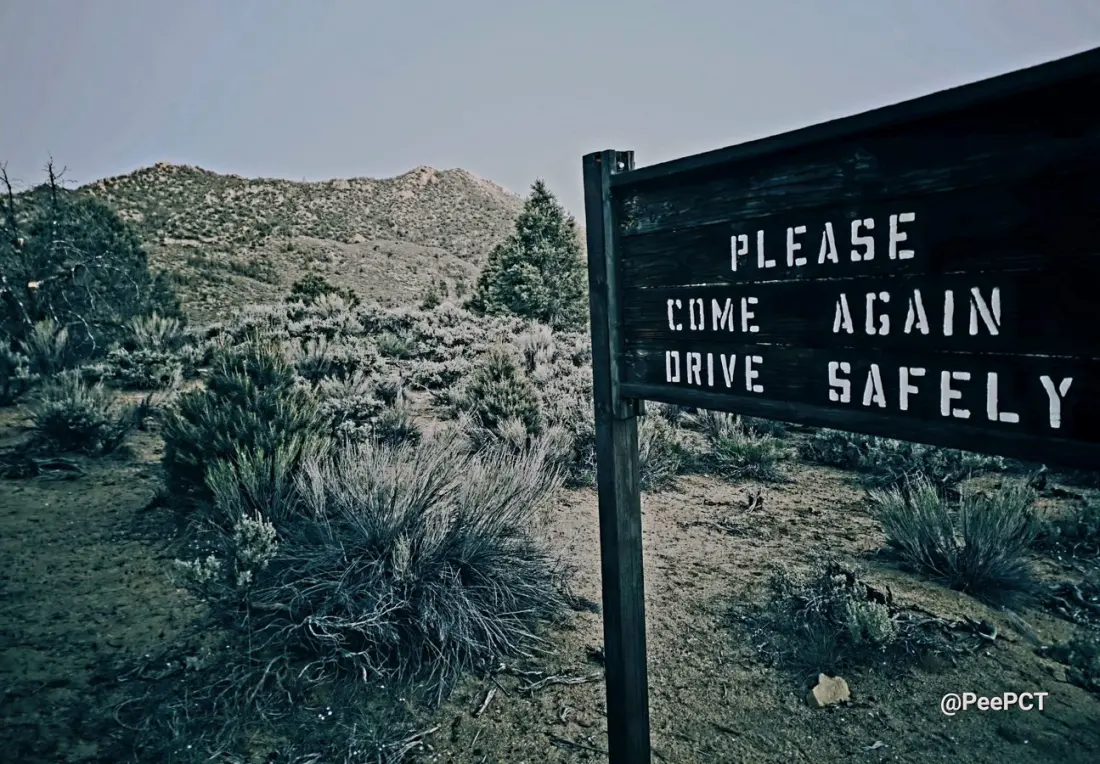
There's a moment on the Pacific Crest Trail that separates the casual desert walker from the committed mountain hiker. It happens around mile 700, near Kennedy Meadows South in California, when the last road crossing disappears behind you and the next bit of tarmac is 250 miles away. One through-hiker known as Crispy Hiker hit that milestone on day 61 of their PCT attempt, and their trail journal captures what those first miles into the Sierra Nevada actually feel like.
The day started early — a 3 a.m. wake-up under bright stars, oatmeal and coffee boiled on a kettle, and a 5 a.m. start walking alone in the dark. Kennedy Meadows South sits at 6,149 feet, and it's the classic staging point for the High Sierra. A fresh resupply went into the pack, along with a bear canister — mandatory for this section and a telltale sign you're leaving the desert behind.
The morning's hiking was slow, sandy trail through meadow country, with the air noticeably cooling as the route dropped toward the South Fork Kern River. After passing the campground where the hiker had spent three nights, they signed the official PCTA logbook — a small ritual that marks the real beginning of the Sierra. From there it was solo walking north into the mountains, a mix of intimidating and thrilling in their own words.
What follows is classic early-Sierra terrain: the trail winds through big white boulders, crosses the Kern River on a wooden bridge, then hops the first of many streams via a fallen log. Beck Meadow opens up to the left, grassy and wide, with an old cabin visible across the valley — the kind of spot where you half expect to see a bear ambling down to the water. There are minor trail dramas too (a bird took exception to a hiker shedding layers on a ridgeline), but the dominant theme is quiet: big country, one person, and a long stretch with no easy exit.
For anyone dreaming of a PCT section hike, this stretch is the payoff for all the desert miles. The Sierra section is widely considered the scenic highlight of the entire trail — alpine lakes, granite passes, and famous climbs like Forester Pass further north. But it demands respect: resupply planning is serious business, bear canisters are required, stream crossings depend on snowmelt timing, and the distance between road access points means you're genuinely self-reliant. Day hikers and weekenders can sample a taste of it closer to Kennedy Meadows, but the full 250-mile wilderness run is a expedition-level commitment.
If the idea of walking beyond the last road appeals, this journal entry is a good low-stakes preview of what that feels like — the heavy pack, the cold river air, the mix of nerves and excitement at the trailhead register.