
The southern Philippines just hit a political milestone: the Bangsamoro Autonomous Region in Muslim Mindanao has voted in its first-ever parliamentary election, a step made possible by a 2014 peace deal in which the region's largest Muslim rebel group dropped its push for a separate state in exchange for sweeping autonomy. Around 40,000 former fighters committed to demobilising and returning to civilian life.
The numbers behind the vote are substantial. Eighty parliamentary seats were contested across five provinces, three cities and 63 villages, with nearly 2.4 million registered voters and officials forecasting roughly 80% turnout. Once seated, parliament will pick the region's chief minister, who heads the executive branch, in its first session.
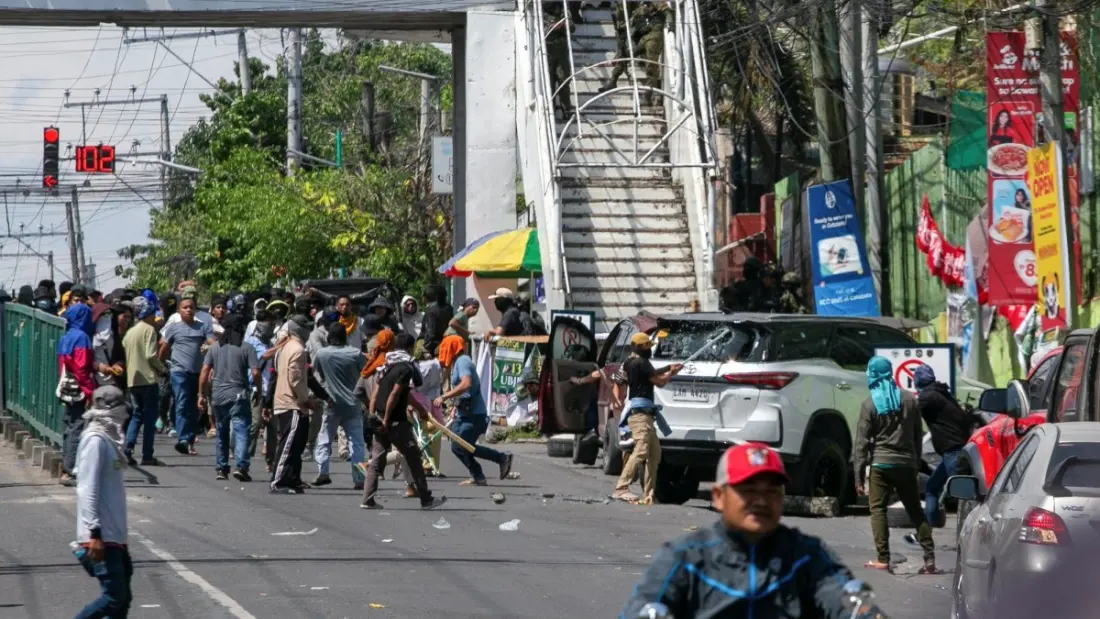
It wasn't entirely smooth. One person died in a scuffle at a polling station in Cotabato, where the regional government sits, and supporters of one party trashed a rival politician's vehicles with steel bars. A shooting in Cotabato on the eve of the vote killed three and wounded 15. In Maluso, on Basilan Island, election officials found pre-shaded ballots in more than half of the precincts — 36 of 68 — forcing a reprint and delayed voting there. Still, 98.1% of polling stations opened on schedule, backed by a security deployment of more than 20,000 soldiers and police.
Why does this matter beyond politics? Because context shapes travel. Mindanao has long carried a heavy security reputation: insurgencies dating to the 1970s cost an estimated 150,000 lives and left the region the poorest in the Philippines. In 2017, Daesh-linked militants laid siege to Marawi, a city known for its mosques, and five months of fighting killed more than 1,100 people and flattened large parts of its commercial and residential districts. The militants once used Mindanao as a haven for bombings and kidnappings until a US-backed Philippine offensive pushed them back.
A functioning, elected regional government is the clearest sign yet that this chapter is closing — and that the Philippines' Muslim south is slowly positioning itself as a place visitors might one day explore for its distinct Moro culture, lakeside cities and island scenery, rather than avoid. For now, travellers should still check current government travel advisories for Mindanao, as some areas carry residual risk. But for anyone watching the region's trajectory, this election — described by election chief Erwin Garcia as standing on "generations of Bangsamoro struggle for homeland, identity, and self-determination" — is a genuine turning point.
Story via Daily Sabah Travel.