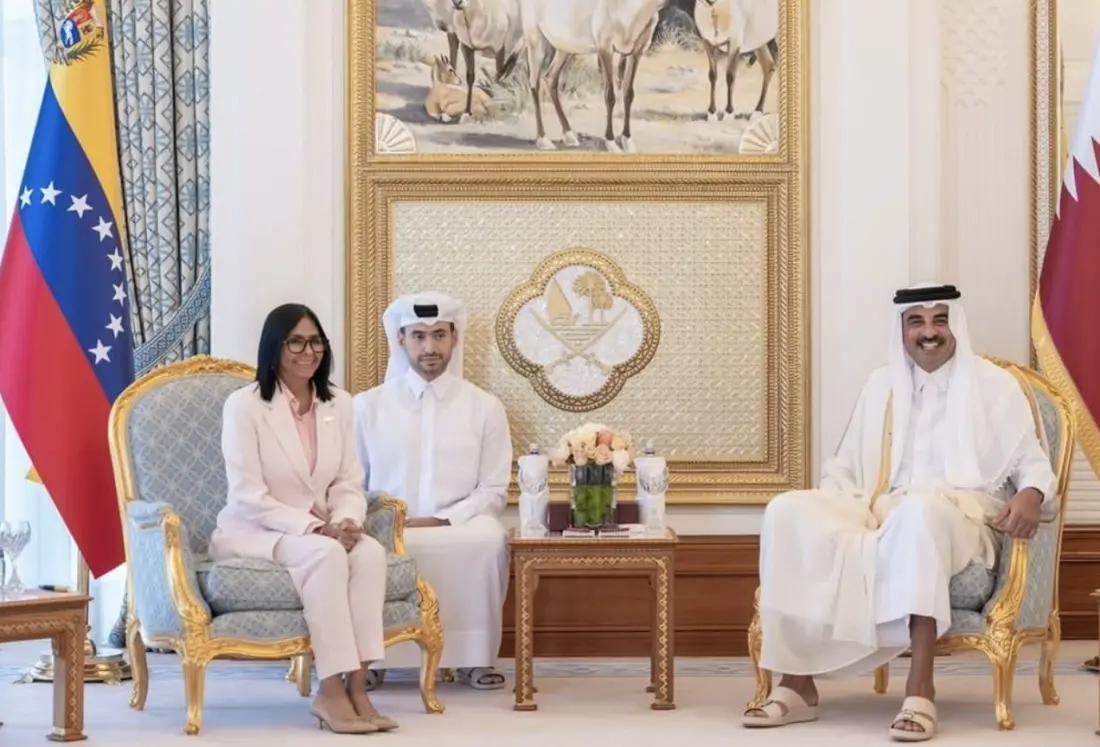
Qatar's Amir, Sheikh Tamim bin Hamad Al Thani, met Venezuela's Acting President Delcy Rodríguez Gómez at the Amiri Diwan in Doha on Sunday, with energy cooperation topping the agenda. The talks followed Rodríguez's stop at the COP31 climate summit in Türkiye, and both sides signalled they want deeper cooperation in energy, trade, agriculture — and tourism.
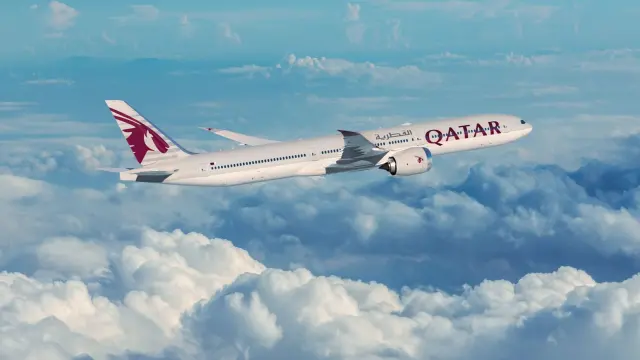
For travellers, the practical headline buried in the diplomacy is aviation. Less than two weeks before this meeting, on November 4, Qatar Airways launched a Doha–Bogotá–Caracas service, making it the first Gulf carrier to fly regularly to Venezuela. The route runs twice weekly, on Wednesdays and Sundays, and links the Gulf hub to South America via the Colombian capital.
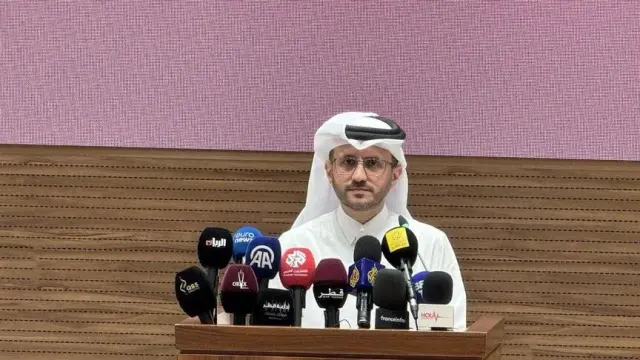
Sunday's meeting was a heavyweight affair on both sides. Qatar fielded its Prime Minister and Foreign Minister Sheikh Mohammed bin Abdulrahman Al Thani, QatarEnergy chief Saad bin Sherida Al Kaabi, and the commerce and communications ministers, while Venezuela sent its economic and communications vice presidents plus the foreign affairs and hydrocarbons ministers. Rodríguez also thanked Qatar for its assistance after an earthquake struck Venezuela, and the Amir later hosted a luncheon for the delegation.
This wasn't a one-off either. The Prime Minister and Rodríguez had already met in Istanbul on the COP31 sidelines on Friday, and the pair sat down together in Caracas back in February. Doha and Caracas have been quietly building links across several sectors, with energy supply security clearly the priority — but the diplomatic warmth tends to follow where the routes go.
Why should holidaymakers care? Venezuela remains one of South America's least-visited countries, home to Angel Falls — the world's highest waterfall — Caribbean coastline, and the tabletop mountains of Canaima National Park. A one-stop connection from the Gulf removes a long-standing barrier for travellers coming from Asia, the Middle East and beyond, who previously had to route through the US or Europe. The Bogotá stop also opens up an easy two-country itinerary pairing Colombia with Venezuela.
The political relationship between Doha and Caracas is still the main driver here, not a tourism boom — Venezuela faces practical travel complications including currency and visa quirks. But for adventurous travellers watching this space, a Gulf carrier committing scheduled service to Caracas is the most significant access change in years, and it signals confidence in demand between the regions. Keep an eye on whether frequencies grow from the current two weekly rotations.