Quito has long been one of South America's gentler capitals: a UNESCO-listed old town of whitewashed colonial churches, cobbled lanes and volcanoes on the horizon, popular with backpackers and digital nomads alike. But the Andean city is now drawing a different kind of visitor. National gangs — including Los Lobos, Los Choneros and Los Tiguerones, all designated foreign terrorist organizations by the US — are moving into Quito neighbourhoods, according to police and security analysts.
The shift is visible in places like Solanda, a working-class district of 1980s public housing. For years residents ran night patrols armed with whistles and sticks to deter phone thieves. As shootings, extortion and contract killings arrived with the gangs, they suspended the patrols and turned instead to street-corner surveillance cameras and metal gates blocking side streets. The area now sits on a national government list of high-risk zones in the capital.
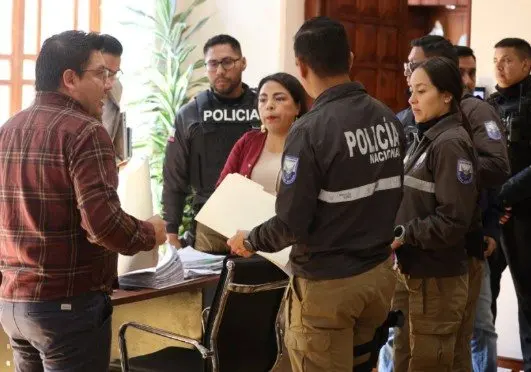
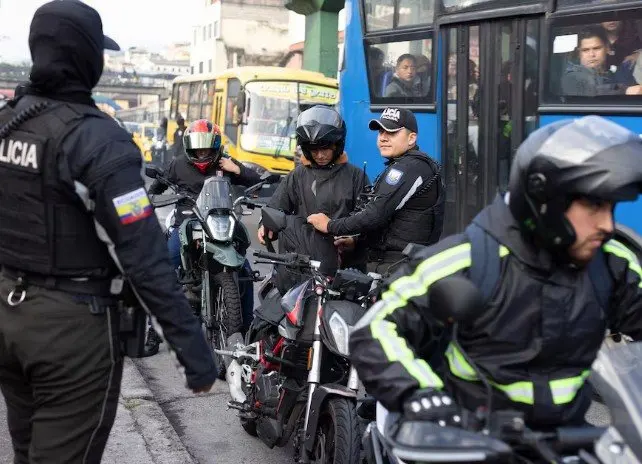
The backdrop is Ecuador's transformation over the past five years from a tranquil corner of South America into a key corridor for cocaine leaving Colombia and Peru, much of it bound for Europe and the US. President Daniel Noboa has responded with a heavy military and police crackdown: around 4,000 security personnel have been deployed at entry points and strategic corridors in Quito since an August security plan, and the city has been under a 60-day state of emergency since September. More than 300 arrests were made in the first six weeks, and drug seizures in the capital rose nearly 500% between January and September compared with the year before.
There are signs the pressure is working, at least locally. Violent deaths in Quito fell from a peak of 294 in 2023 through 2024 and 2025, and in Solanda itself, violent deaths dropped from 13 to just two between January and September. Yet analysts warn that squeezing gangs in one city pushes them into new territory, and Quito's position on the so-called "cocaine triangle" — a transit and storage hub for drugs moving from southern Colombia toward Ecuador's Pacific and Amazon road corridors — makes it a tempting prize, even if its transit role means it may avoid the worst turf wars seen in port cities like Guayaquil and Manta.
For travellers, the practical picture: tourism remains largely unaffected in the historic centre and expat-friendly districts, and Quito is still far calmer than Ecuador's ports. But petty theft is a risk and it makes sense to track local news, avoid listed high-risk neighbourhoods like Solanda after dark, and expect a visible military presence — checkpoints and patrols are now part of city life. Anyone planning an Ecuador trip that includes Quito, and overland routes onward to the coast or Amazon, should build in a little extra situational awareness.
Credit: Cuenca High Life