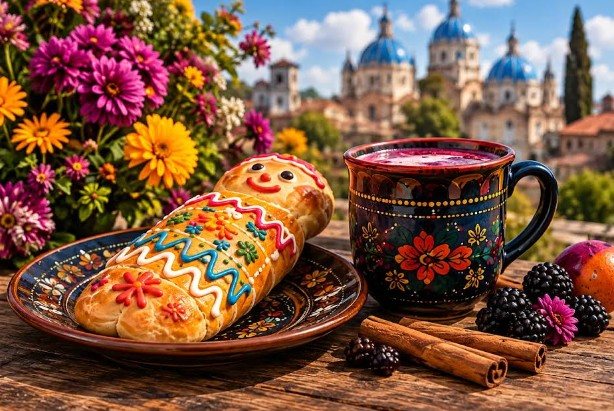
Walk into almost any bakery in Cuenca, Ecuador in late October and you'll spot them: brightly iced bread figures with cheerful faces, stacked next to pitchers of a thick purple drink. They're guaguas de pan — 'bread babies' in Kichwa — and colada morada, the traditional pairing for Día de los Difuntos, Ecuador's day of remembrance on November 2.
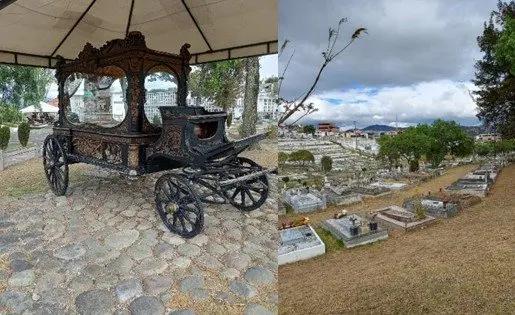
The story behind them goes deeper than seasonal snacking. Ecuadorian families mark the day by visiting cemeteries with flowers, gathering at home to share memories, and preparing these two foods together. The word guagua means baby or young child in Kichwa, and the bread figures — often filled with chocolate or jam these days — connect the living with ancestors. Colada morada, made from purple or black corn flour, fruit, spices and herbs, varies from kitchen to kitchen. No two families make it quite the same way.
The traditions are evolving, too. Cuenca businesses have been experimenting with new fillings, modern takes on the bread, desserts riffing on the drink, and even a colada morada-inspired beer. Some see that as a natural evolution; others wonder if a food turned novelty loses its meaning. The comforting answer from locals: changing the recipe isn't the same as changing what the day means — as long as you remember why it's being made.
For expats and visitors, Cuenca is one of the friendliest places to encounter Día de los Difuntos. You don't need family buried here to appreciate it. Bakeries and markets welcome curious buyers in the weeks before November 2, and a guagua de pan with coffee is an easy, delicious entry point. Public celebrations are open to all, though cemetery observances are family moments — read the room and participate only where you're genuinely invited.
The real value for a traveller is what sits beneath the sugar. The pairing of bread and drink is fundamentally about remembering people who are gone — and that's something anyone can understand, whatever holidays they grew up with. Arriving in early November gives you the full atmosphere: decorated shop windows, markets selling herbs and fruit for colada morada, and families heading to cemeteries with flowers.
If a visit sparks curiosity, Cuenca itself rewards it — a UNESCO World Heritage colonial centre, thermal towns like Baños nearby, and one of the mildest climates in the Andes. Come for the chocolate-filled bread baby. Stay for the conversation it starts.