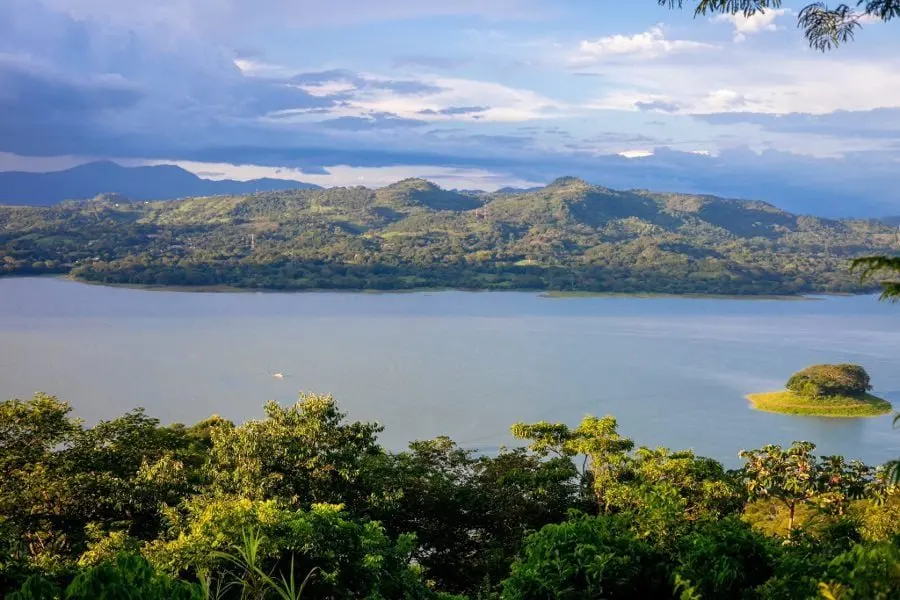
Skip the surf breaks for a day and head inland. Lake Suchitlán — also called Embalse Cerrón Grande — is the largest artificial lake in El Salvador, covering roughly 135 square kilometres of the country's northern interior. It owes its existence to the Cerrón Grande Hydroelectric Dam, built on the Lempa River in the 1970s, with the reservoir filling from 1976. Half a century on, it generates power, feeds fishing communities and doubles as one of the country's most laid-back spots for travellers.
The name comes from Nahuatl and is usually translated as "place of flowers", which sounds about right once the rainy season paints the surrounding hills green. The lake spreads across the Cuscatlán, Chalatenango and Cabañas departments, but the easiest base is the colonial town of Suchitoto, about 50 kilometres northeast of San Salvador as the crow flies. From there, Puerto San Juan just outside town is the main launch point for boat trips.
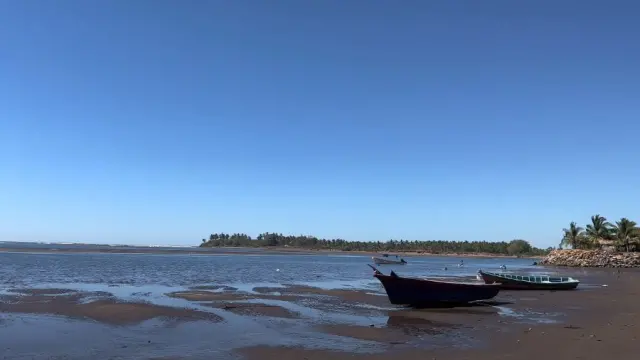
Those boat tours are the main event. Local operators run trips across the reservoir, past small islands — the tops of hills that stayed above water when the valley was flooded — and along wooded shorelines. Birdwatchers do especially well here: herons, egrets and cormorants work the wetlands and shallows year-round, with migratory species adding variety depending on the season. Early mornings are best, when the light is soft and the birds are feeding. The lake's ecological value is officially recognised too — it was designated a Ramsar Wetland of International Importance in 2005.
It's not all serene, though. The reservoir faces real pressures from pollution, sedimentation and invasive aquatic plants, which affect both water quality and the fishing economy that tilapia sustains. Travellers can do their bit by not littering, keeping distance from wildlife and booking with operators who take environmental practices seriously.
Suchitoto itself deserves more than a pit stop. The cobblestone streets lead to the striking Santa Lucía Church, art galleries and small eateries, and several viewpoints look out over the reservoir if you'd rather skip the boat. A classic day looks like this: wander the town in the morning, eat a proper Salvadoran lunch, then take to the water in the afternoon.
Timing matters a little. November to April is the dry season, with more reliable weather and clearer skies for photography. May to October brings lusher, greener hills but also afternoon thunderstorms, and water levels shift enough that it's worth confirming boat access locally after heavy rain.
A few practical pointers: pack sun protection and drinking water — shade on the boats is limited — bring cash, since small operators often don't take cards, agree the route, duration and price before setting off, and make sure life jackets are provided for everyone. Don't swim without local advice; submerged obstacles and boat traffic are genuine hazards. Weekdays are quieter than weekends and public holidays.
For anyone tired of El Salvador's beach-and-volcano circuit, Suchitlán offers something slower: open water, birdlife and a glimpse of how a dammed valley became part of daily life here. Pair it with Suchitoto and you have one of central El Salvador's easiest and most rewarding day trips.